
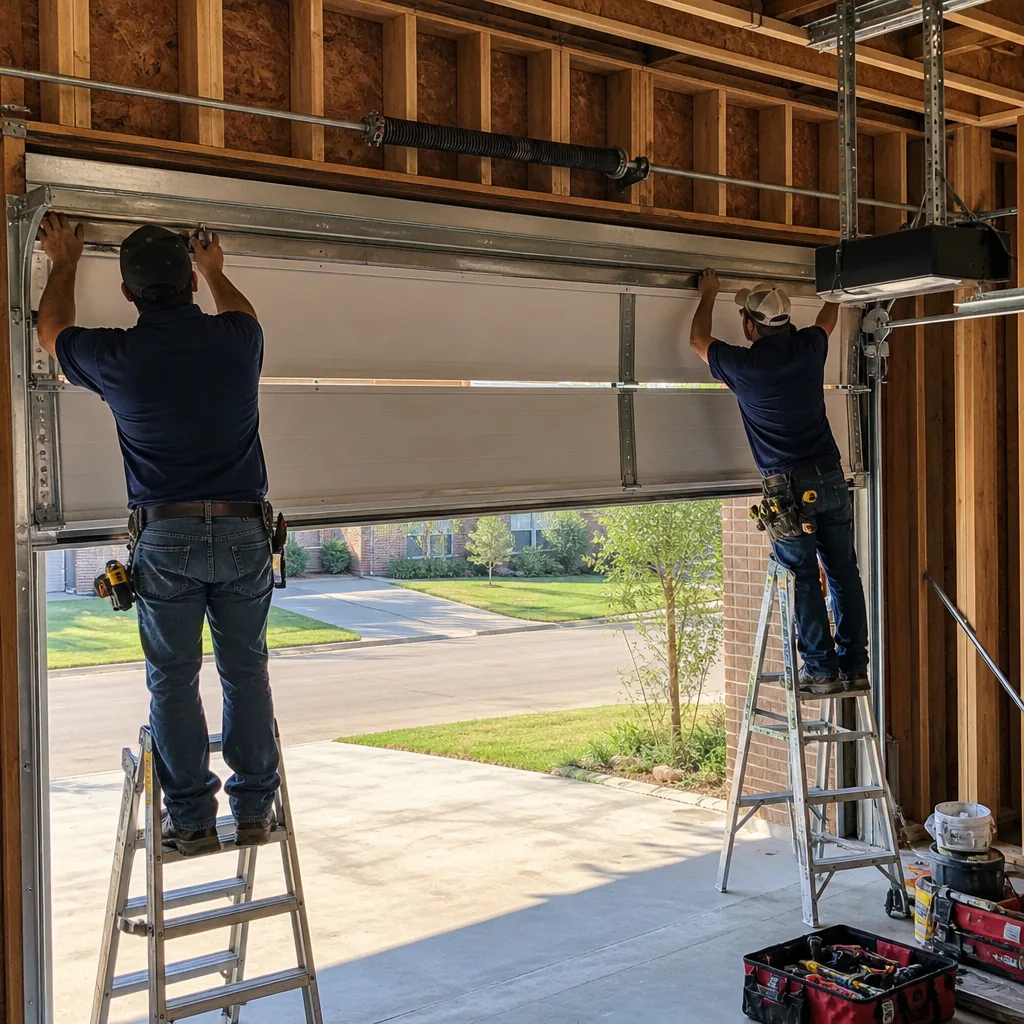
Last updated November 15, 2026
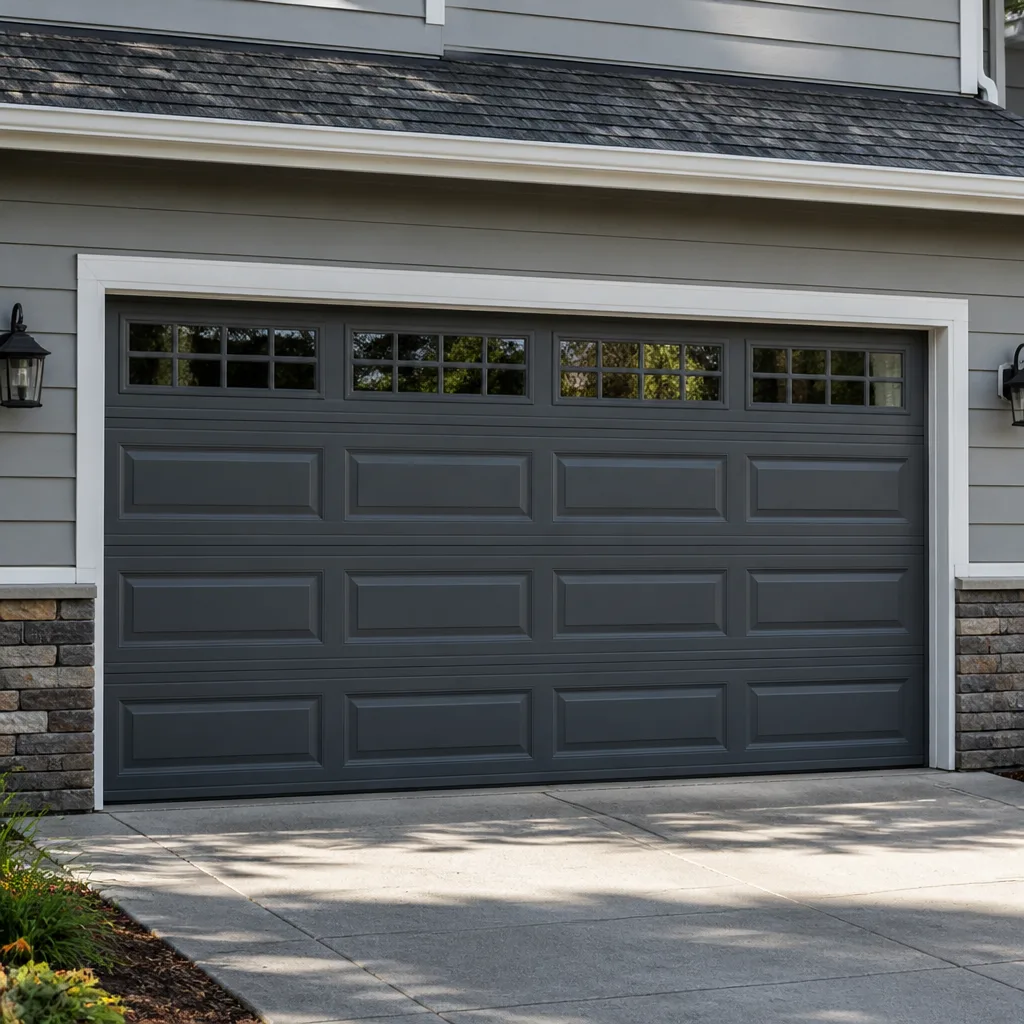 Raised-panel steel
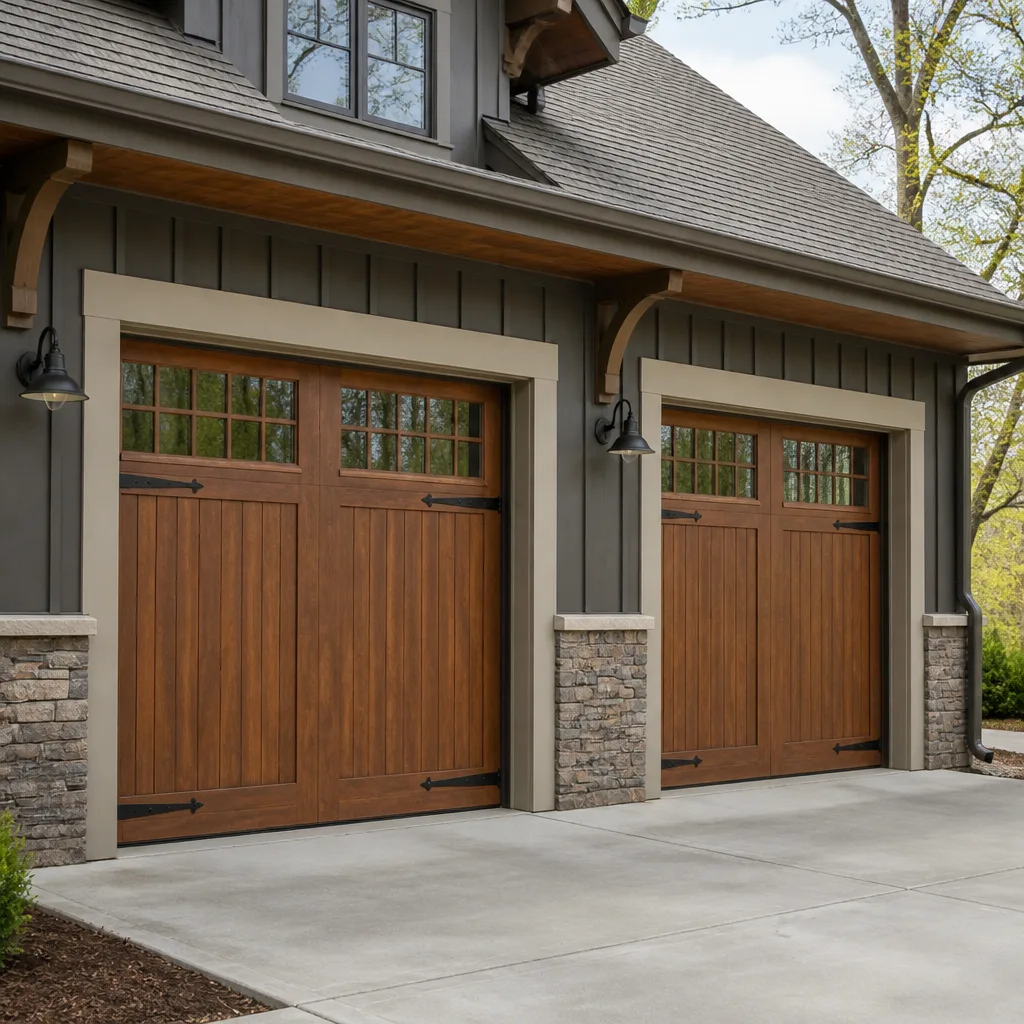 Carriage house
 Modern flush
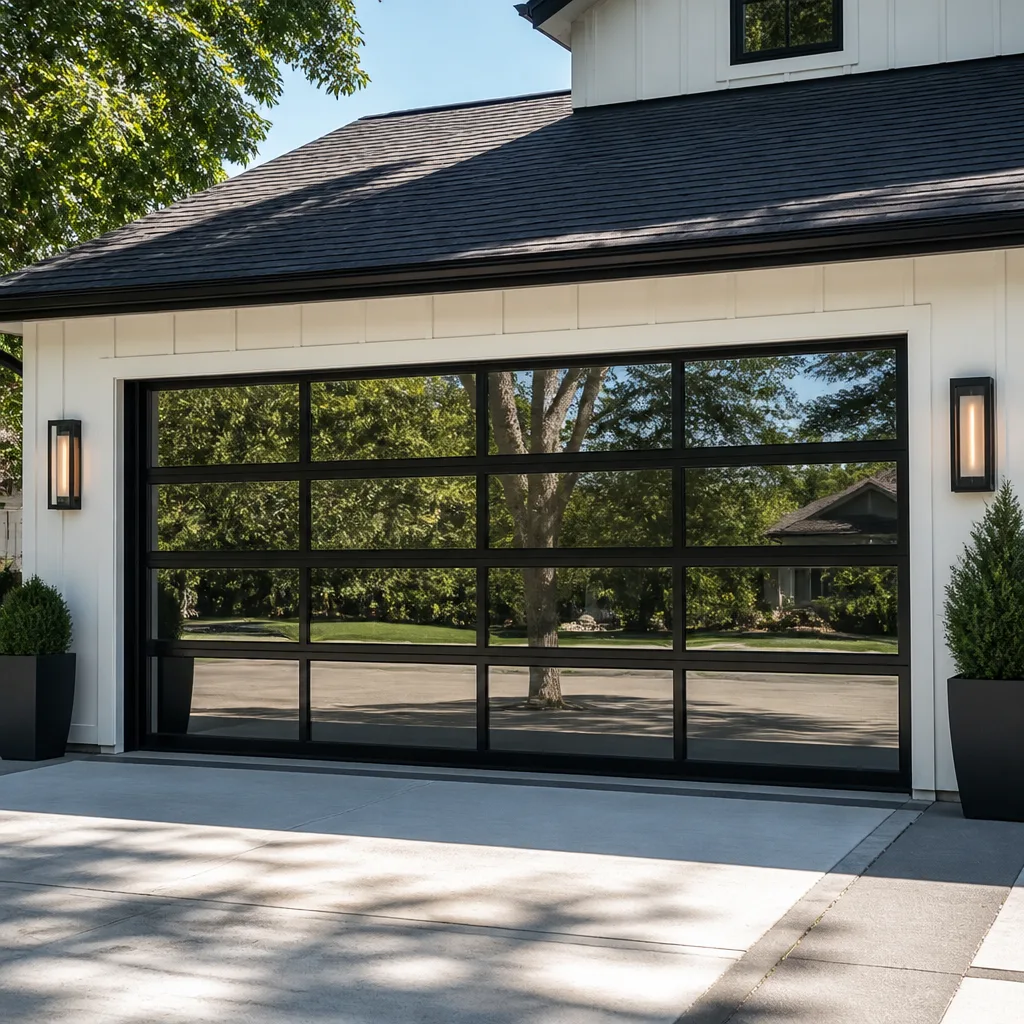 Full-view glass
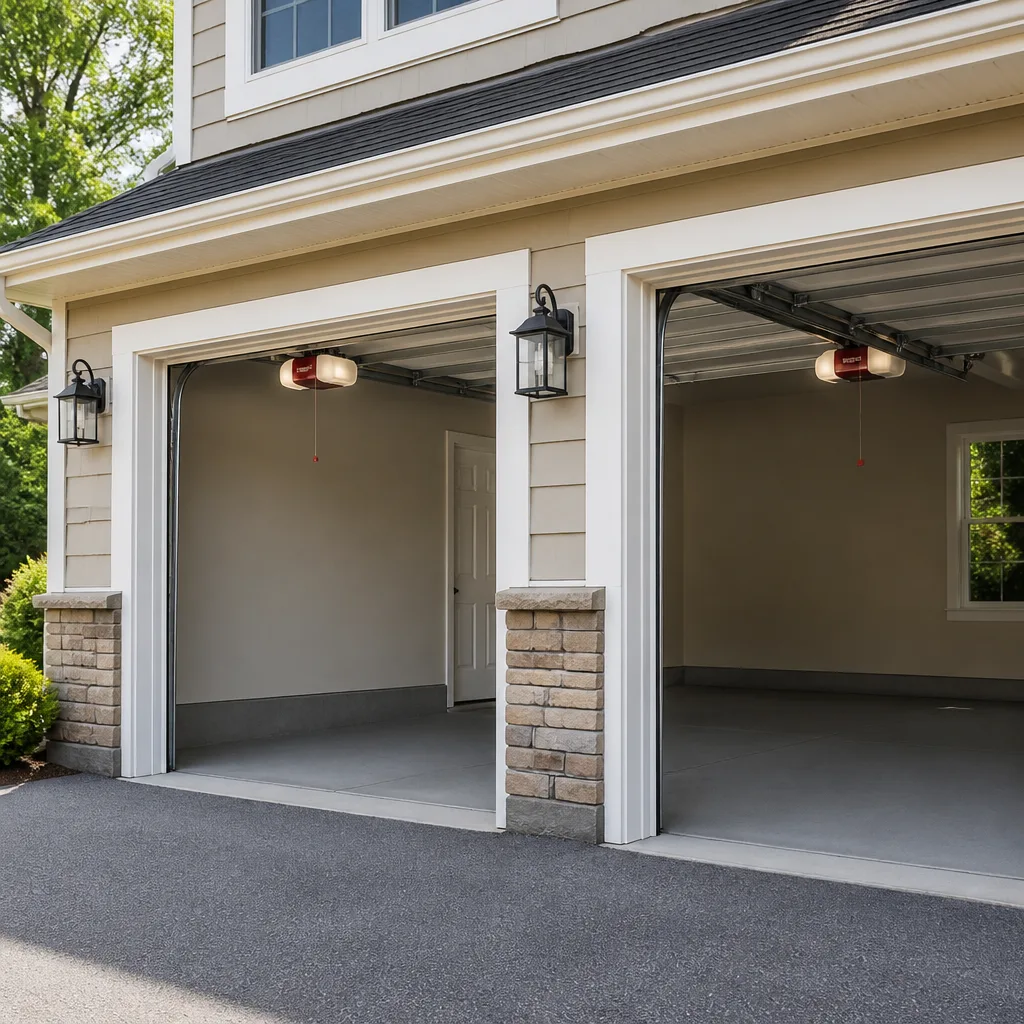 LiftMaster openers
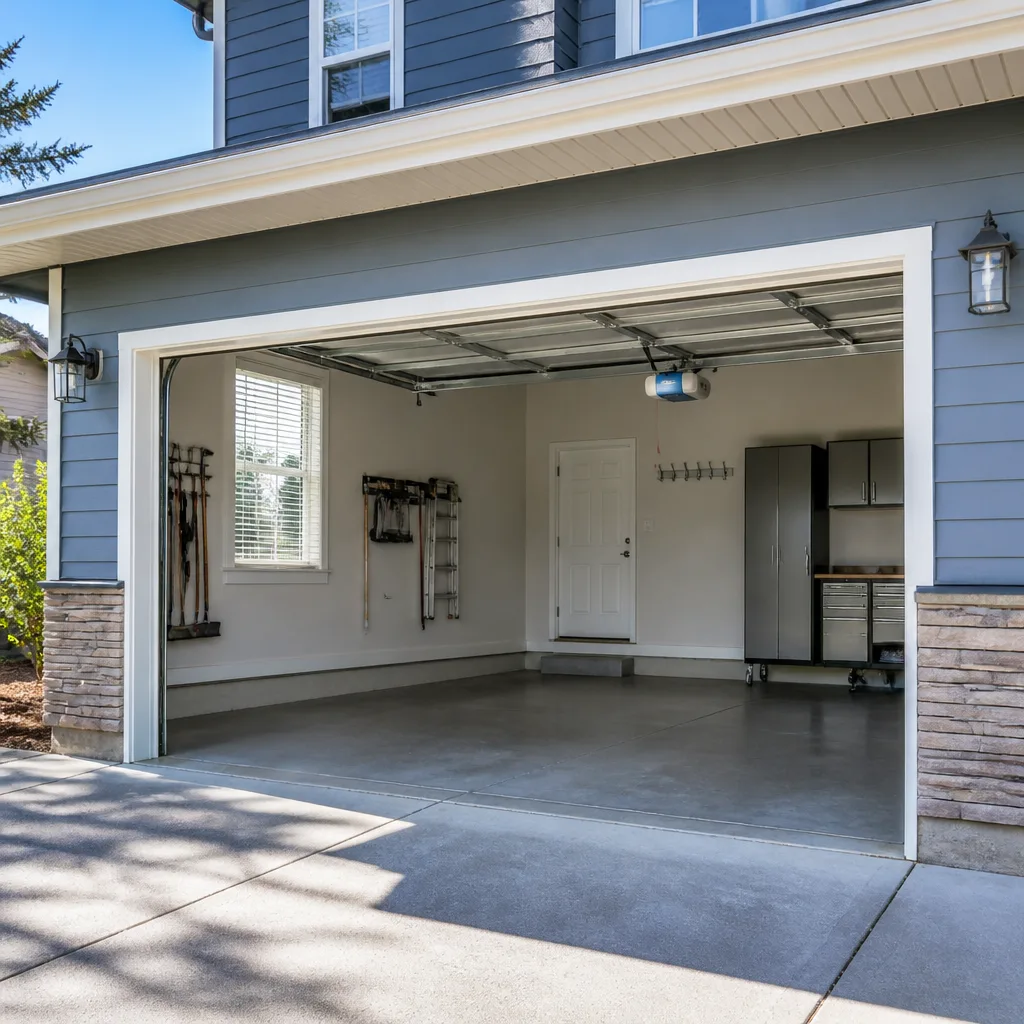 Chamberlain openers
Full 25-point door and opener safety check with every visit - springs, cables, rollers, tracks, and your LiftMaster or Chamberlain opener included
You get a price before we start. It does not change when the pro arrives.
Get your free estimateGarage Door Warning Signs: A College Station Homeowner’s Reference Guide
The most expensive garage door repair call is almost always preceded by three to six months of warning signs the homeowner noticed but filed under “seems fine for now.” A door rarely fails without an announcement. It gets a little louder, opens a little slower, shudders at the halfway point, and the rationalizing begins: it’s the weather, it’s always done that, it’ll hold until spring. Then one morning the door comes down hard or stops moving entirely, and a problem that could have been a planned repair becomes an urgent one. This guide names each warning sign, explains the specific mechanical cause behind it, and tells you honestly whether it’s a monitor-or-fix-now situation. Everything here is written for the College Station climate.
Quick Answer
A garage door shows warning signs in three channels: sound (grinding, banging, scraping), visual condition (spring rust patterns, coil gaps, frayed cables), and behavior (a door that reverses mid-travel, runs slow, or stops responding to one control but not another). Some signs are safe to watch for a few weeks, some warrant a repair within the same week, and some mean stop using the door today. The triage chart below sorts them.
Styles & brands we work with
- Raised-panel steel
- Carriage house
- Modern flush
- Full-view glass
- LiftMaster openers
- Chamberlain openers
Table of Contents
- What Your Door’s Sounds Are Telling You
- Spring and Cable Warning Signs You Can See
- When the Opener Is the Problem
- The Manual Lift Test
- Watch, Fix This Week, or Stop Using the Door
- Common Mistakes to Avoid
- When to Call a Professional
- Frequently Asked Questions
What Your Door’s Sounds Are Telling You
Sound is the most reliable early warning a garage door gives, but only if you know what you’re hearing. Homeowners tend to lump every noise into one bucket (“it’s getting noisy”), when in our experience each sound points to a different component and a different repair. Here’s the sound taxonomy we use on the job.
- A grinding noise that builds as the door travels usually implicates the rollers or hinges. Rollers wear flat spots, and dry or worn hinges bind against the track. Grinding that only shows up near the top or bottom of the travel often means one bad roller, not the whole system.
- A single loud bang from inside the garage is the classic signature of a torsion spring breaking. It sounds like a shot or a heavy board hitting the floor. Once you hear it, the door is out of balance and unsafe to operate.
- A scraping metal sound that runs along the whole travel points to track misalignment or a bent track section. The door is grinding against the steel instead of rolling cleanly inside it.
- A rattling or clunking when the door starts and stops often means loose hardware – hinge bolts, bracket fasteners, or the opener’s rail connections.
Why does this matter in College Station? Our heat and humidity swing the wood and steel of a garage door through expansion and contraction all year, and that movement works fasteners loose and wears lubrication faster than a dry climate would. A grinding door in July is often a hinge that needed a quarter-turn of a wrench and a fresh coat of grease months ago. If you’ve been hearing the same grinding for a season, it’s worth a garage door repair visit rather than another round of lubricant.
What to do about each sound
- Note when the noise happens: on start, mid-travel, near the top, or on close.
- Watch the rollers and hinges (eyes only, door closed) for obvious rust or misalignment.
- If the sound is a bang or a scrape, stop using the door and call for service.
- If it’s a steady grind but the door operates, book a repair visit rather than waiting.
Spring and Cable Warning Signs You Can See
Springs and cables are the load-bearing parts of the door, and they almost always telegraph their failure in visible ways. You don’t need to touch anything – stand back and look at the hardware above the door. Here’s what you’re looking for.
- Rust patterning on the springs is the most common pre-failure tell. A healthy torsion spring looks like a smooth coil of steel. One that’s developing rust in a line or patchy pattern is losing its coating and, often, its integrity. Rust only shows the stress points, but it’s the easiest visual clue in the garage.
- Gaps in the coil – daylight between individual coils when the door is closed – mean the spring has stretched or relaxed. A spring that’s lost tension opens the door with a hitch and closes hard.
- Frayed cables look like a rope with broken strands sticking out. Cables don’t fail gracefully; a frayed cable can snap under load, and it’s holding tension at all times.
- Bent or misaligned drums and brackets at the top corners of the door signal uneven load, often from a spring that’s already weakening.
One safety note matters more than anything else on this page: torsion springs and cables are under high tension and are genuinely dangerous. Don’t attempt to adjust, remove, or “test” them yourself. We recommend a trained technician for anything involving the spring system, and this is true for every door, not just the ones we see in College Station. Our technicians have up to 11 years of experience with spring hardware, and that experience is mostly about working safely around stored energy, not just figuring out the part number.
What a failing spring actually causes
A spring loses tension gradually before it breaks. The visible signs – coil gaps, rust lines, a door that’s suddenly heavier – are your window to fix it before the bang. If the door is already hard to lift by hand or drops fast when closed, the spring is already compromised and the door should be treated as a stop-using emergency.
For Clopay and Amarr doors in particular, spring sizing is matched to the door’s weight and panel design, so a “one-size” replacement is the wrong call. That’s one reason we ask about the brand before we arrive: knowing whether we’re working on a Clopay or an Amarr tells us what to check first.
When the Opener Is the Problem
The opener gets blamed for a lot of mechanical problems, and sometimes it genuinely is the culprit. The trick is separating door behavior from opener behavior. Here’s how the signals sort out.
- Slow movement everywhere – the door opens and closes but noticeably slower than before – can point to a weakening spring putting extra load on the motor, or to an opener motor that’s aging. One test sorts it: if the door is heavy by hand (see the manual lift test below), the spring is the problem, not the opener.
- Reversing mid-travel usually means the safety sensors aren’t aligned or the opener’s travel limits have drifted. Clean and align the sensors first; if it persists, it’s a logic-board or limit-switch diagnosis.
- Works from the wall button but not the remote (or vice versa) is almost always a remote, receiver, or battery issue rather than a motor issue. It’s one of the most common calls we get in College Station, and it’s usually fixable without replacing the opener.
- Stops partway and won’t retry points to the opener’s internal limits, force settings, or a failing logic board. This is where opener-specific repair capability matters. A door-only contractor will often decline to open a Chamberlain or Genie unit’s case at all.
We work on Chamberlain and Genie openers alongside the full range of major brands. If you’ve been told “we don’t service that” about your opener, that’s not the end of the road. A garage door opener repair is its own discipline, and it’s one we handle under the same roof as the door itself – so you’re not handing a two-part problem to two different companies.
Three opener checks you can do safely
- Test the wall button and the remote separately to see whether the problem is input or motor.
- Wipe the safety sensor lenses and check they’re aligned (most units have a small indicator light).
- Confirm the opener’s manual release works: with the door closed, pull the red cord and lift the door by hand – that leads to the next section.
The Manual Lift Test
The manual lift test is a 30-second check that tells you whether your spring system is losing tension before it snaps. Here’s how to do it safely.
- Close the door fully and pull the opener’s manual release cord (the red handle). You’re disengaging the opener from the door.
- Grab the bottom handle or the panel’s edge with both hands and lift the door about halfway.
- Stop halfway and hold it. A door with healthy springs should stay where you stop it, more or less.
- If the door feels very heavy, wants to fall, or drops back down when you let go, the springs have lost tension. Close it slowly, re-engage the opener, and don’t use the door until it’s serviced.
- Re-engage the opener when you’re done. Never leave a door disengaged by accident – someone may try to open it with the remote and get nothing.
This test is harmless if the springs are healthy but revealing if they’re not. Do it on a flat surface, never with anyone standing under the door, and never try to adjust anything while the door is in the up position. If the door is already dropping hard or won’t lift, skip the test and stop using the door.
Why is this test so useful in College Station? Our summers put honest wear on torsion springs, and our mild winters mean the door gets used every day, year-round – roughly 365 cycles a year on a single door. A spring doesn’t need to break to be a problem; losing tension is enough to make the door harder on the opener and less safe for anyone underneath it.
Watch, Fix This Week, or Stop Using the Door
Not every warning sign is urgent. The problem is that most homeowners file everything under “seems fine for now,” which is how a watch-and-wait item quietly becomes an emergency. Here’s the triage framework we use.
Watch-and-wait (schedule a service visit within the next month or two)
- Occasional grinding or squeaking that hasn’t changed in months
- A door that’s a little slower than it used to be but still opens and closes reliably
- One remote that works from close range but not from the driveway
- Mild rust spots on the springs with no gap or coil change
Fix-this-week
- Visible coil gaps or rust patterning on the springs (spring is weakened, but the door still operates)
- Frayed cables (schedule immediately, don’t wait for a day off)
- A door that reverses mid-travel more than once
- A door that shudders or hesitates at a specific point in the travel
- Opener running slow, or a Chamberlain or Genie unit that works unreliably from one control
Stop-using-the-door emergencies
- You heard a loud bang and the door won’t open or is stuck half-open
- The door drops fast when closing or is hanging off the track
- A cable is visibly broken or hanging loose
- The door is crooked in the frame or a panel is separating
- The door is stuck open and won’t close (it’s a security gap too)
If you’re in the emergency column, call us. A door that’s stuck open or hanging off the track isn’t a “next week” problem. Call (888) 874-4281. We answer 24/7, with fast dispatch from 7am to 7pm, Sunday through Friday.
Common Mistakes to Avoid
- Lubricating the track instead of the moving parts. The track itself isn’t where the friction is; the rollers and hinges are. Spraying the track can attract grit and make the door slower. Lubricate the rollers and hinges instead.
- Assuming the opener is always at fault. Most “opener” problems in College Station turn out to be spring tension or a misaligned track. A technician who only works on openers will fix the wrong thing, and you’ll pay the call fee twice.
- Ignoring a single loud bang. A spring break is easy to diagnose but often ignored, because the door sometimes stays closed. Don’t operate a door with a broken spring – the opener will try to lift an unbalanced door and can damage itself in the process.
- Replacing the whole opener for a remote issue. A remote that doesn’t work from the driveway but works from ten feet away is usually a receiver or battery problem, not a reason to replace a Chamberlain or Genie unit.
- Waiting for the door to fail before the manual lift test. The whole point of the test is that it catches a spring losing tension weeks before it breaks. Run it if you hear a bang you can’t place, or if the door suddenly feels heavy.
- Calling a handyman for spring or cable work. Spring systems are under tension and dangerous. The right call is a garage door specialist, not a general handyman or a friend with a wrench.
- Choosing a company that can’t work on your brand. Legacy hardware like Wayne Dalton or Raynor sometimes gets a “we don’t service that” answer. Ask up front which brands the company handles – we work with all eight major brands, so you won’t get handed off.
See the difference
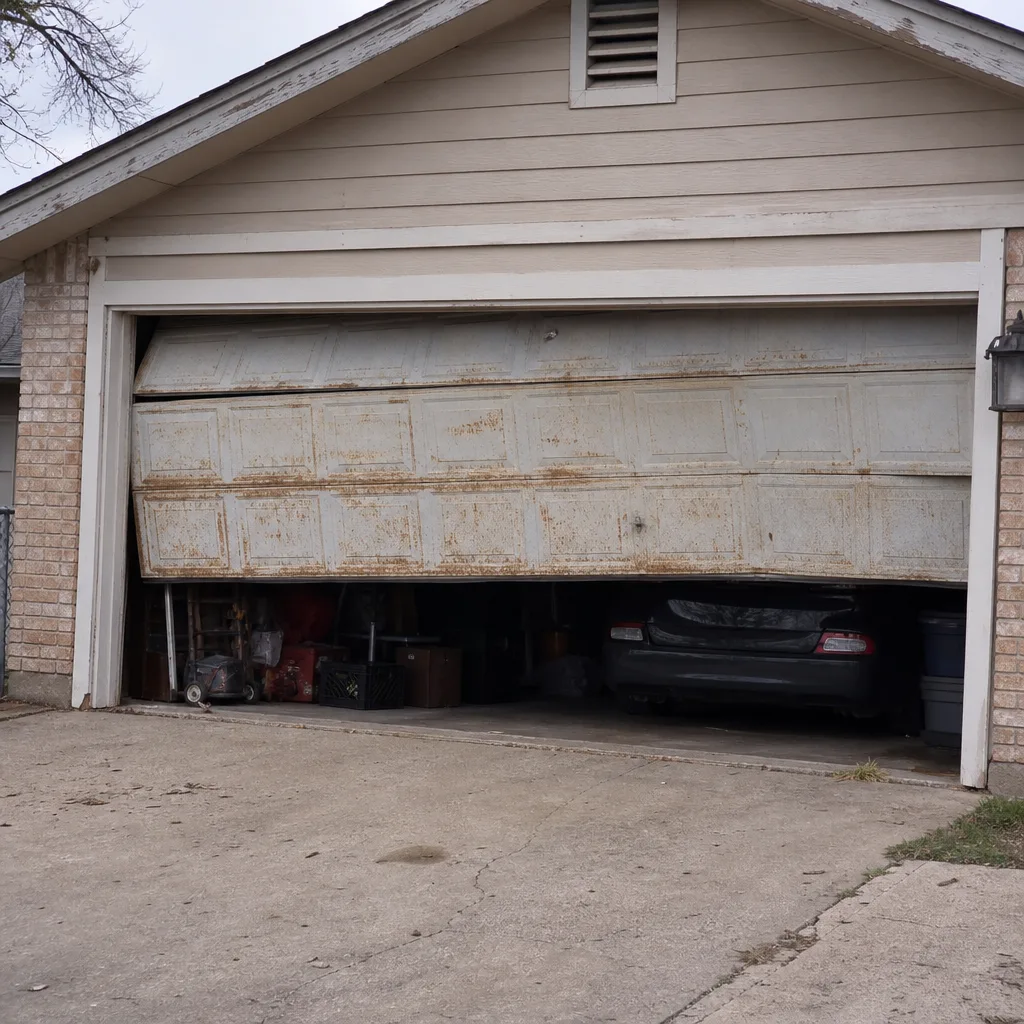 Before
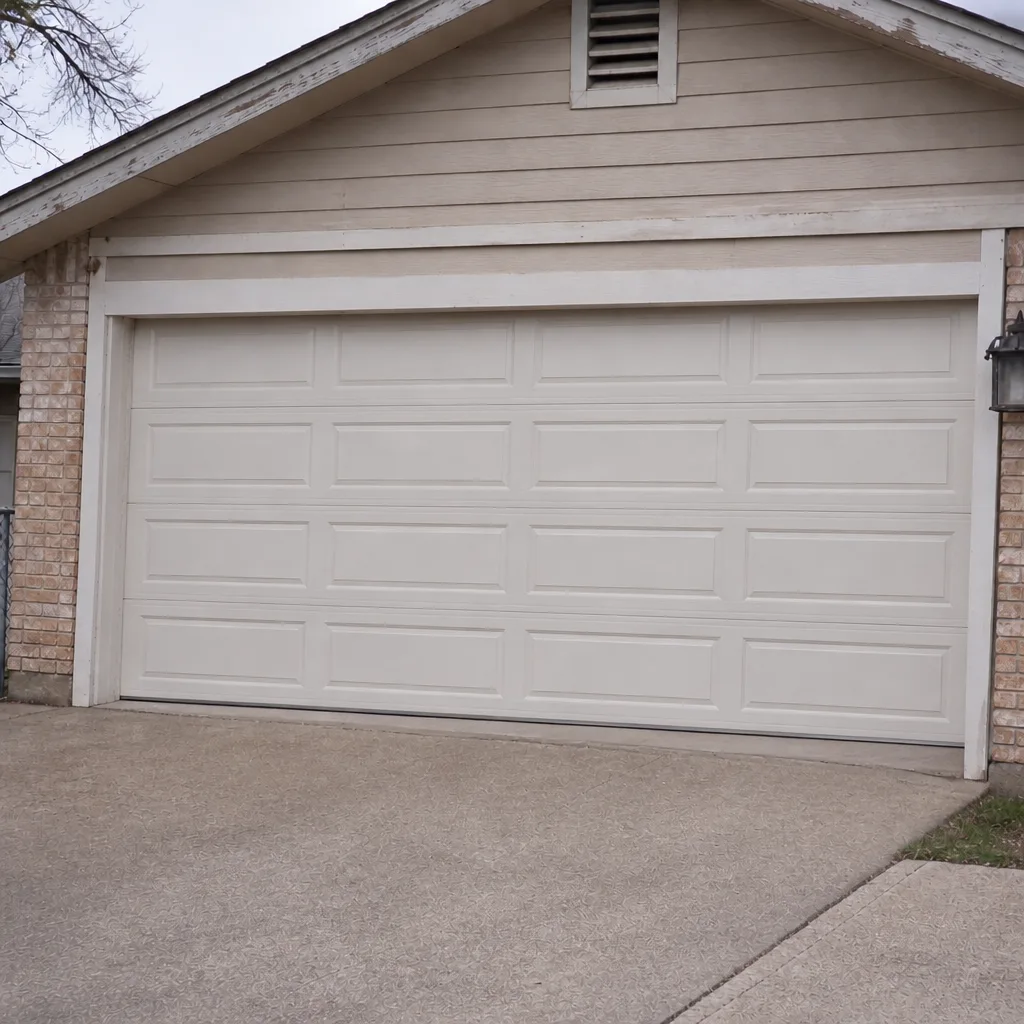 After
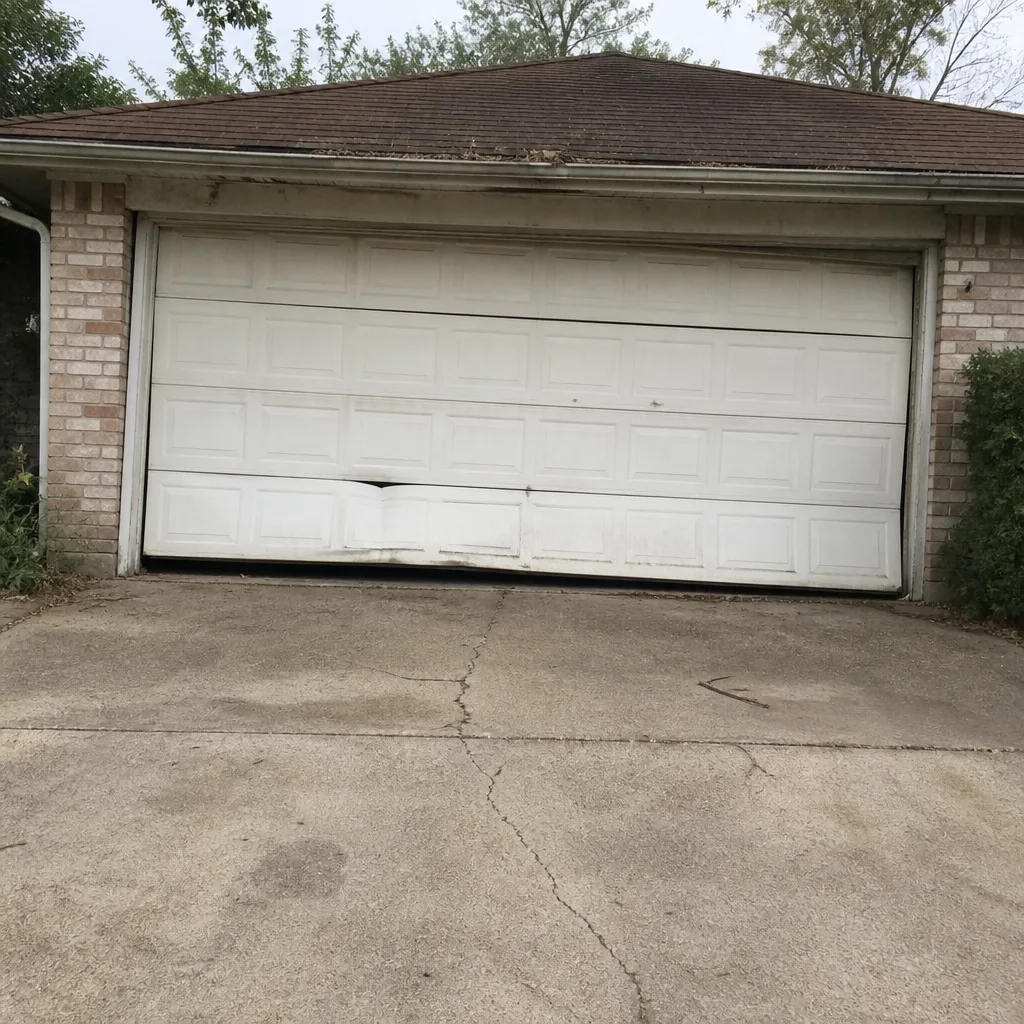 Before
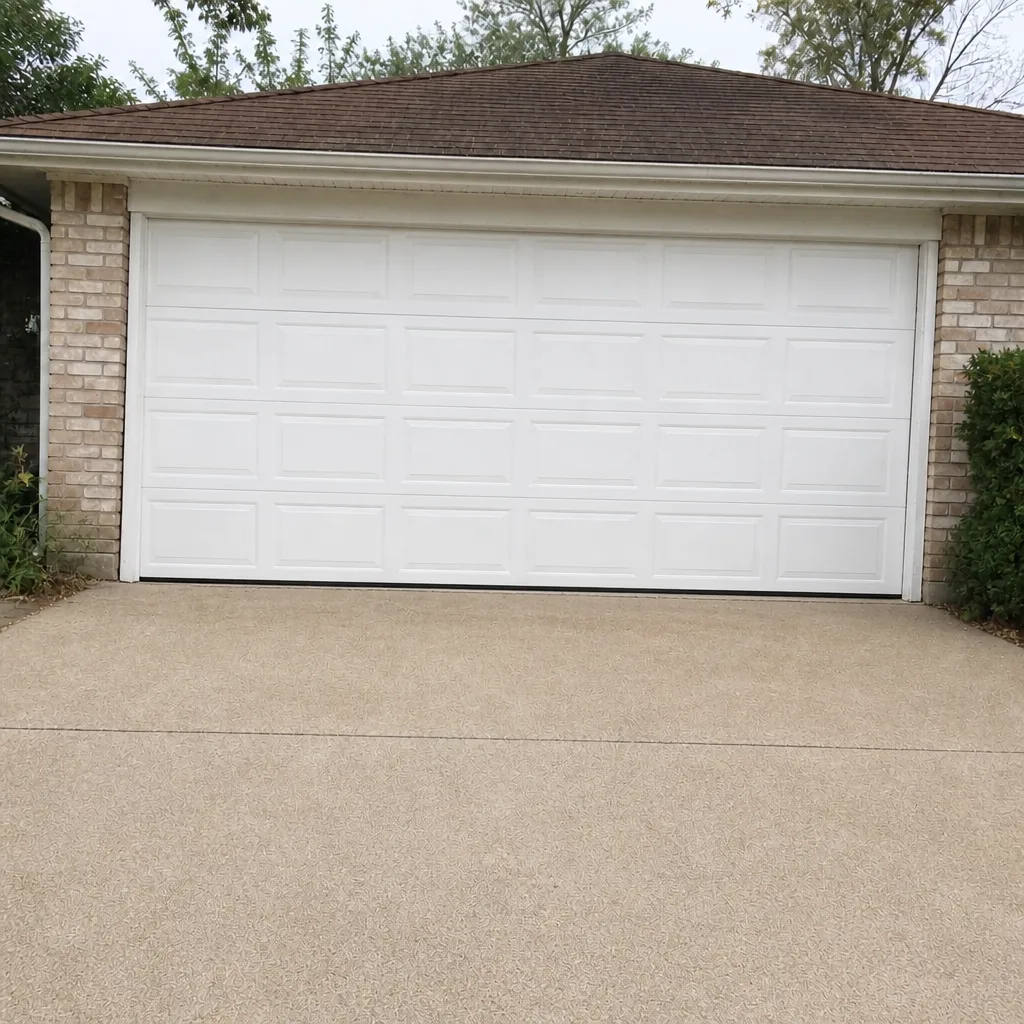 After
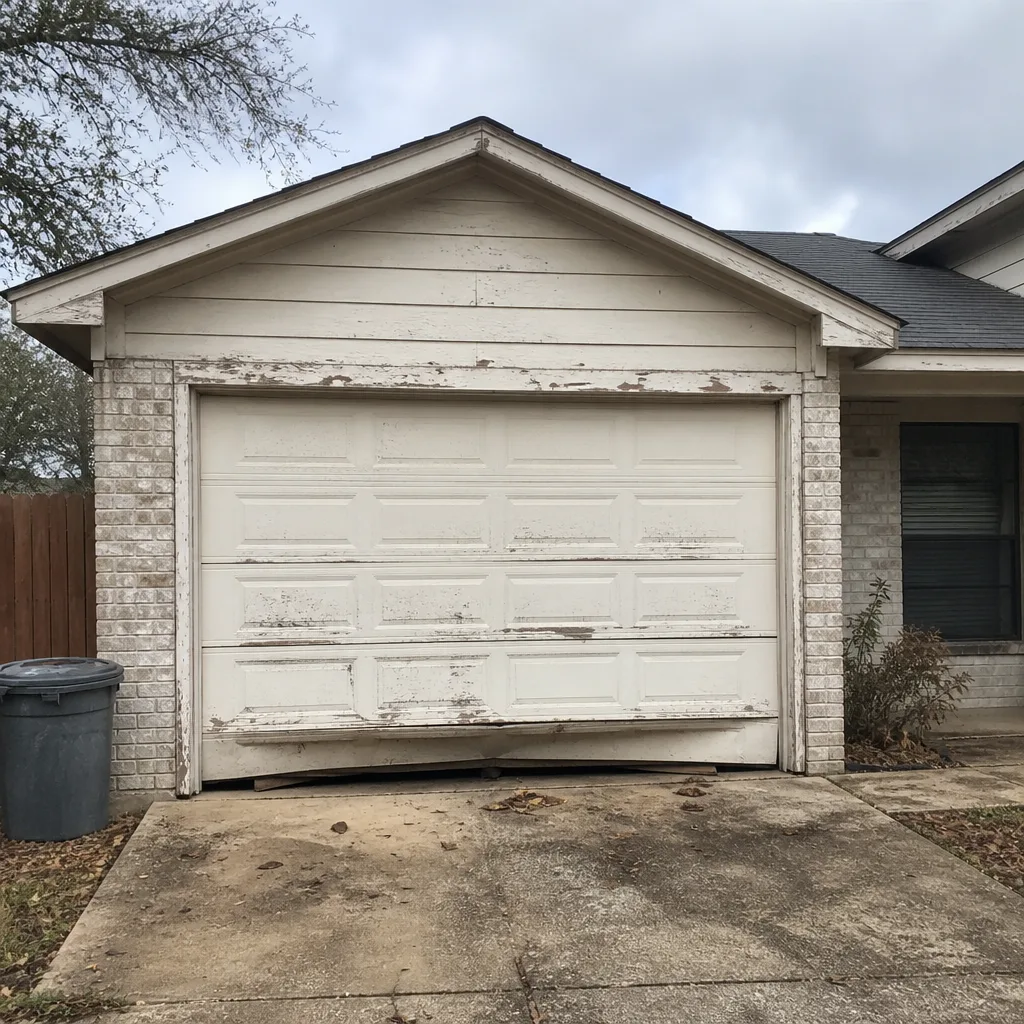 Before
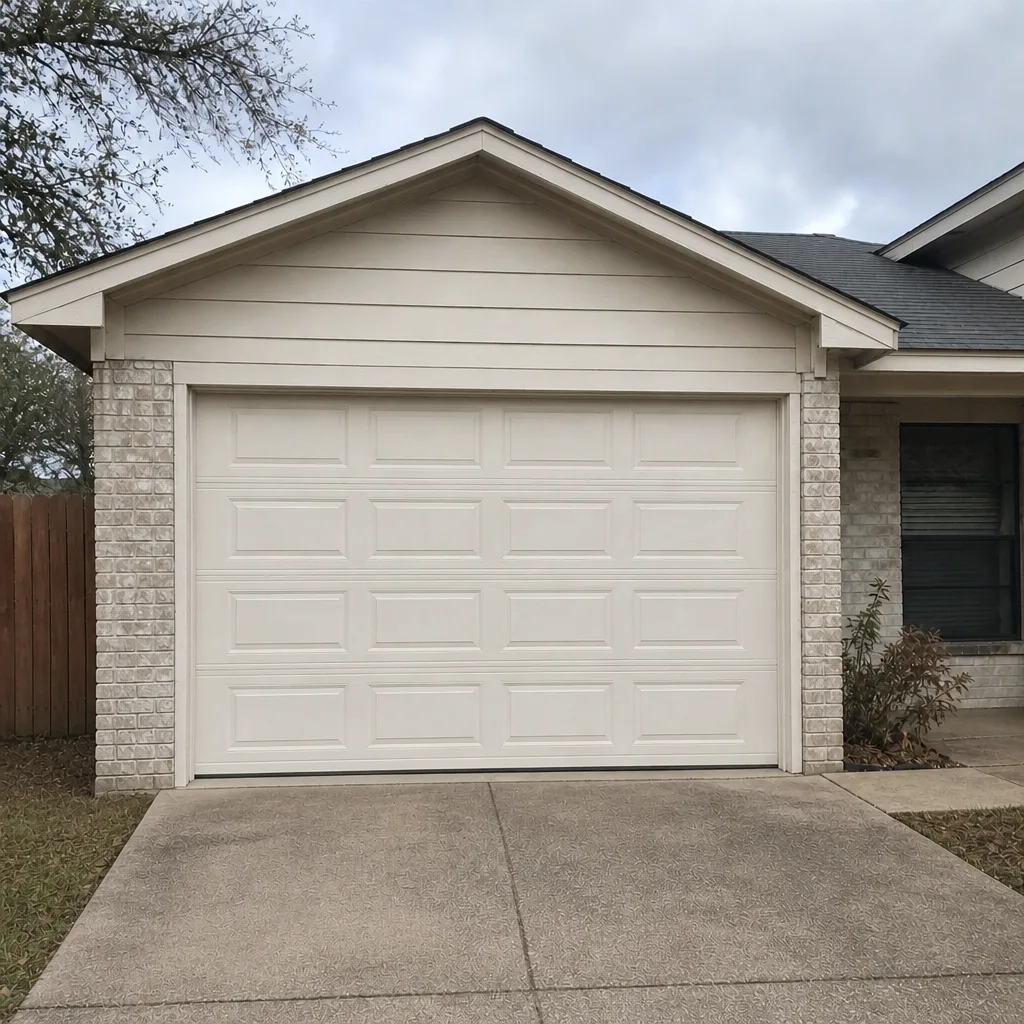 After
When to Call a Professional
Call a professional when the warning sign involves the spring system, the cables, or the door hanging off its track. Those are genuine stop-using situations, and they’re the ones where attempting a fix yourself can cause injury. Call us when you’re ready. For a door that’s operating but noisy, running slow, or behaving oddly on one control, a service visit is a planned repair. It’s worth booking before the sign becomes a failure, and it’s usually the cheaper option.
If you’re in the emergency column or just not sure which one applies, Bluestone Garage Door Repair offers free estimates in College Station – call (888) 874-4281. Our technicians have up to 11 years of experience and handle repair, opener work, and installation under one company, so no part of your problem gets handed off.
Frequently Asked Questions
The most common early sign is a change in sound – a grinding or squeaking that wasn’t there before – followed by a door that’s become a little slower or heavier. Visible spring wear (rust patterning, coil gaps) usually appears in the same window. Catching either one is the whole point of a spring and sound check.
For a short while, yes, but it’s not free. Grinding usually means a worn roller or hinge that’s working harder than it should, and the wear compounds. In our experience, a noisy door that’s left alone quietly ages the whole system, including the opener. It’s worth a call rather than another few months of grease.
Twice a year is a practical rhythm – once after summer and once in spring. Our heat and humidity wear at springs and hardware year-round, and a door gets used almost every day here regardless of season. The manual lift test takes about 30 seconds and tells you whether the spring system is holding tension.
Almost certainly not. The door working from one control but not the other usually points to the remote’s battery, the remote itself, or the receiver inside the opener, not the motor. A Chamberlain or Genie remote is a small part of the system, and a technician can diagnose the input side in one visit.
In our experience, yes, that’s the classic spring-break signature. It can occasionally be a cable letting go at the same moment, which is why the door needs to be inspected rather than just re-sprung. Either way, the door shouldn’t be operated until it’s serviced.
It depends on the part and the door. We don’t quote over the phone for a problem we haven’t seen, because the wrong quote is worse than no quote. The right way to price it is a free on-site estimate: a written price, agreed before any work starts. Call (888) 874-4281.
The Bottom Line
Garage door failures are usually announcements, not surprises. An audible change, a visible sign on the springs or cables, or a behavior change in the opener is your early notice. The manual lift test is the fastest way to know whether a spring is losing tension. Everything else sorts into three buckets: watch, fix this week, or stop using the door today. The one rule that overrides all of it – don’t work on springs or cables yourself. For a free estimate in College Station, call (888) 874-4281. Whether it’s the door, the opener, or both, one call covers it.
Get a free estimate
If you’ve noticed any of the signs in this guide, call (888) 874-4281 for a free estimate. We answer 24/7. Fast dispatch from 7am to 7pm, Sunday through Friday. Bluestone Garage Door Repair is a College Station garage door specialist handling repair, opener repair, and installation. If you’re weighing a repair against a new door, our team can walk you through both options at the same visit. For years of experience behind the diagnosis, our technicians have up to 11 years with doors and openers, from Clopay panels to Genie drives and everything in between. Visit Bluestone Garage Door Repair to get started.
Written by the team at Bluestone Garage Door Repair.