
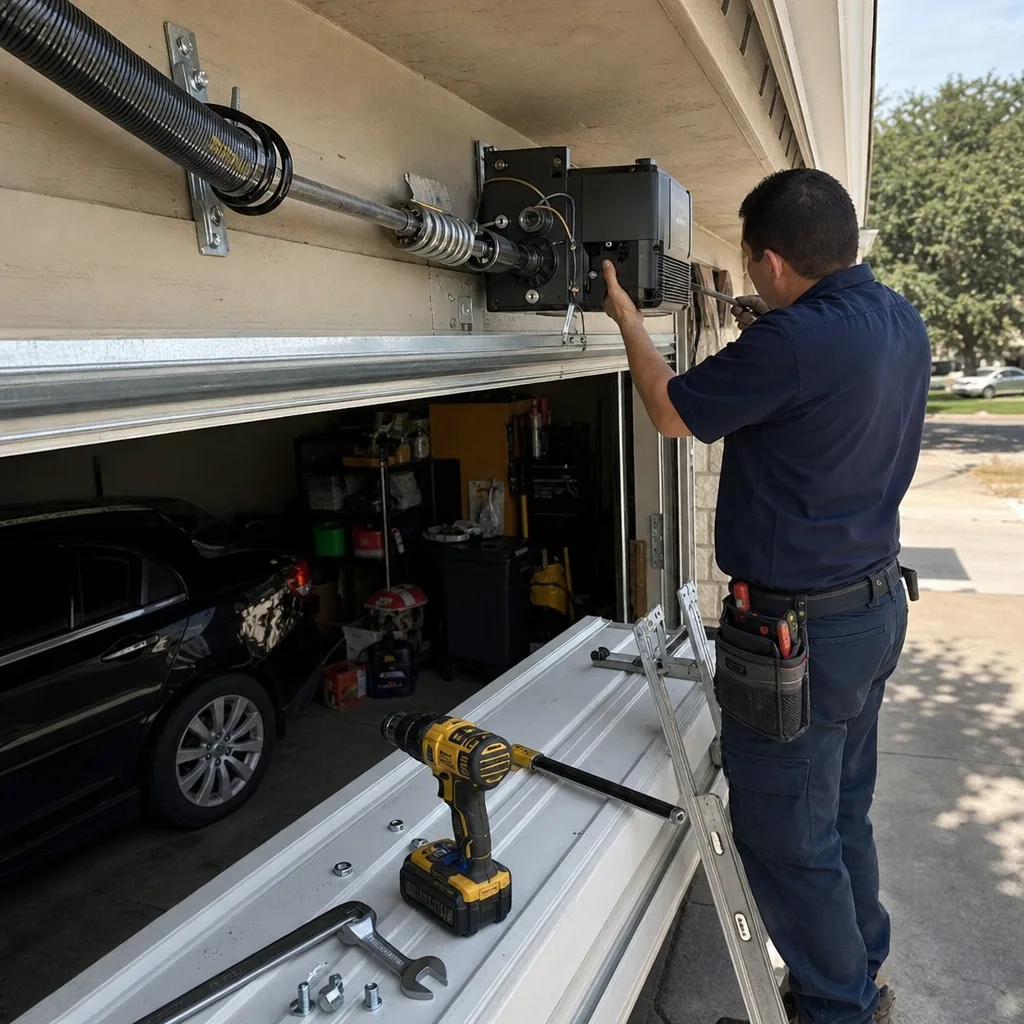
Last updated November 15, 2026
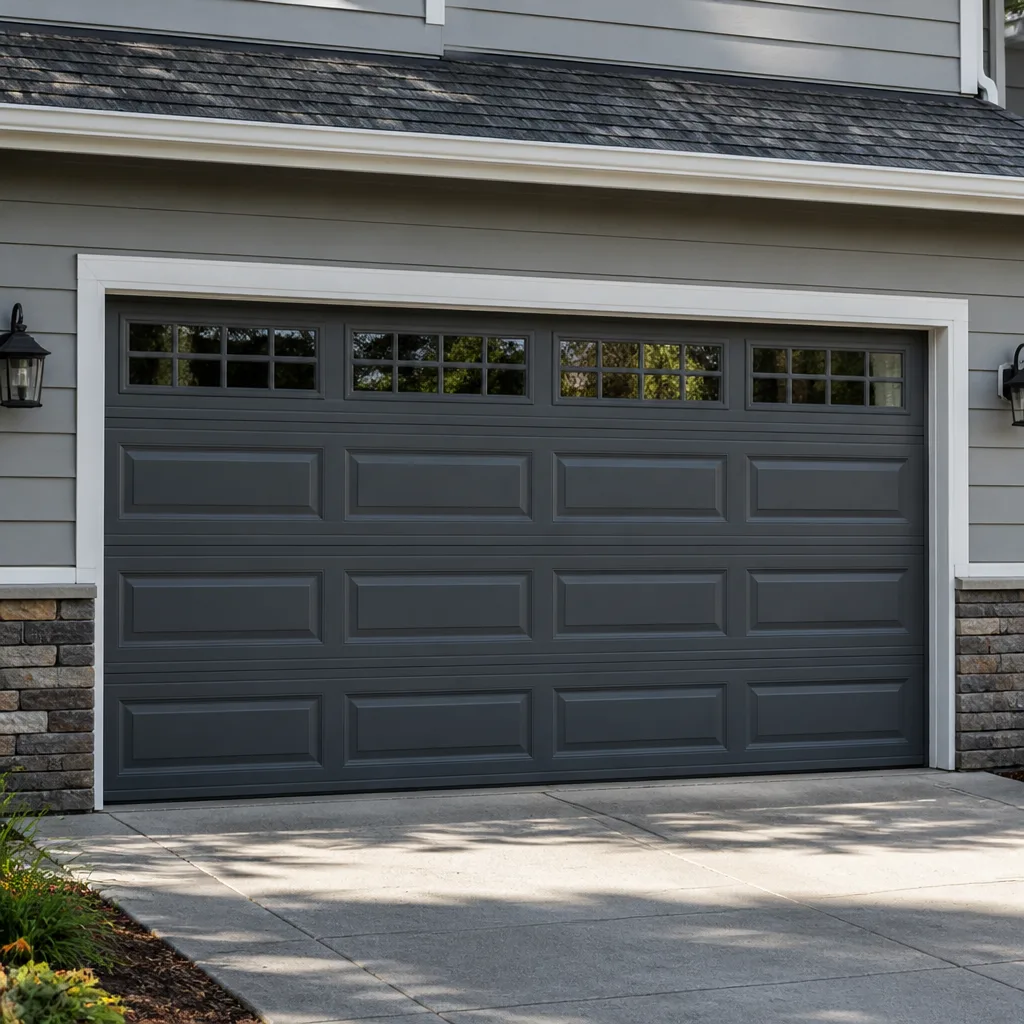 Raised-panel steel
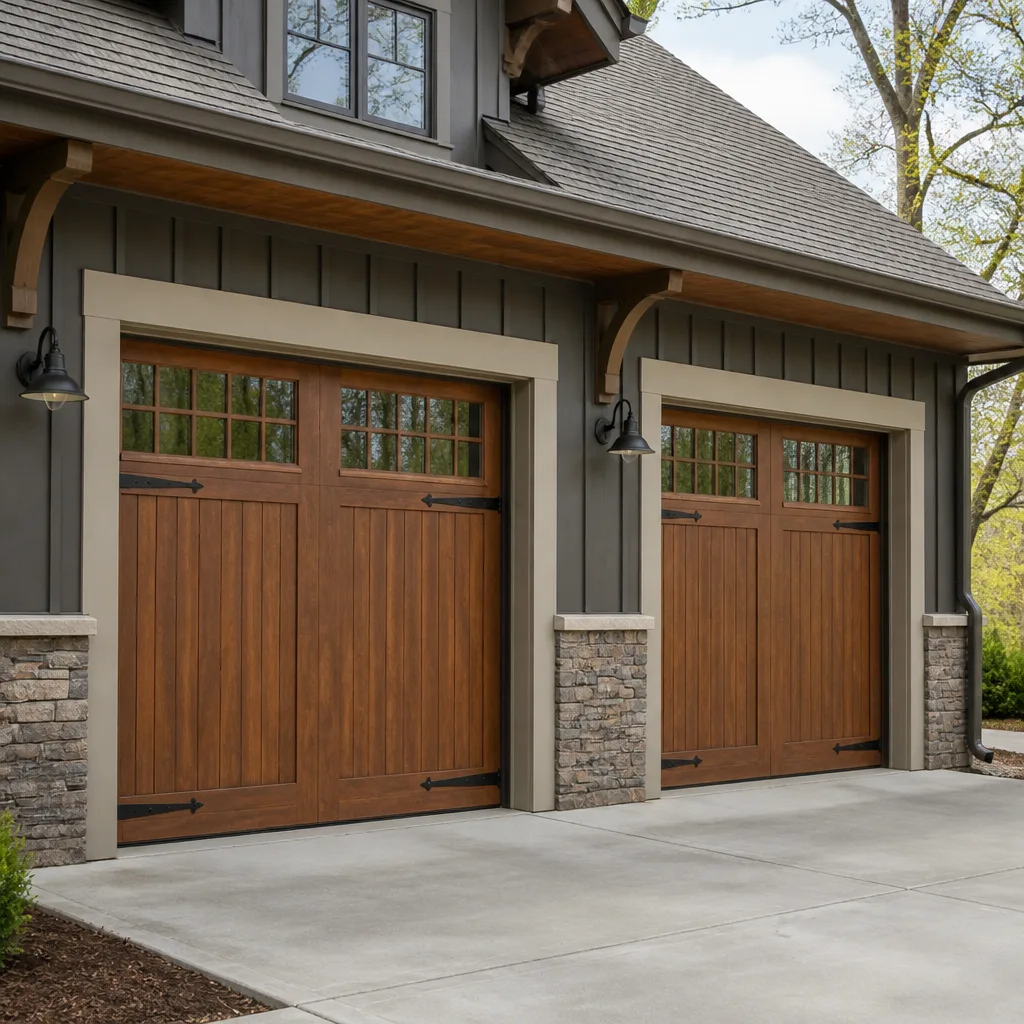 Carriage house
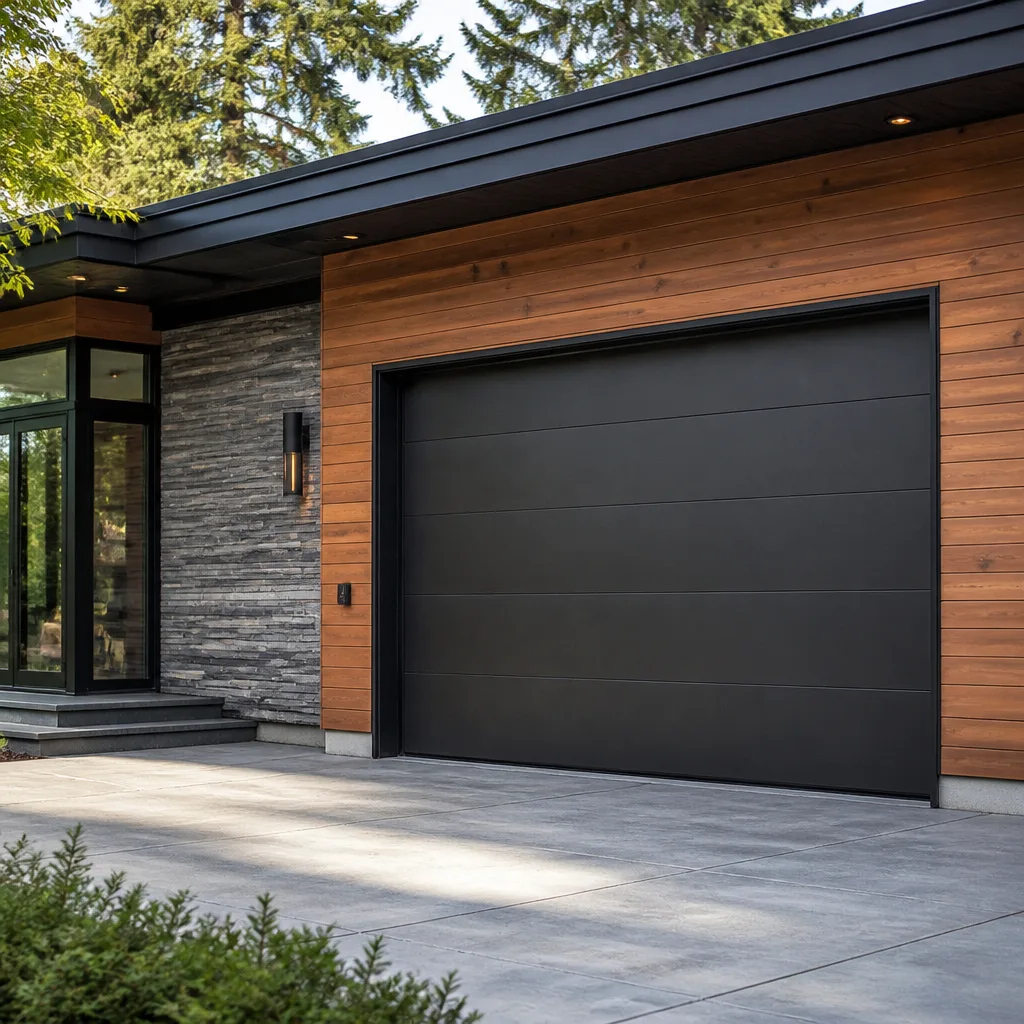 Modern flush
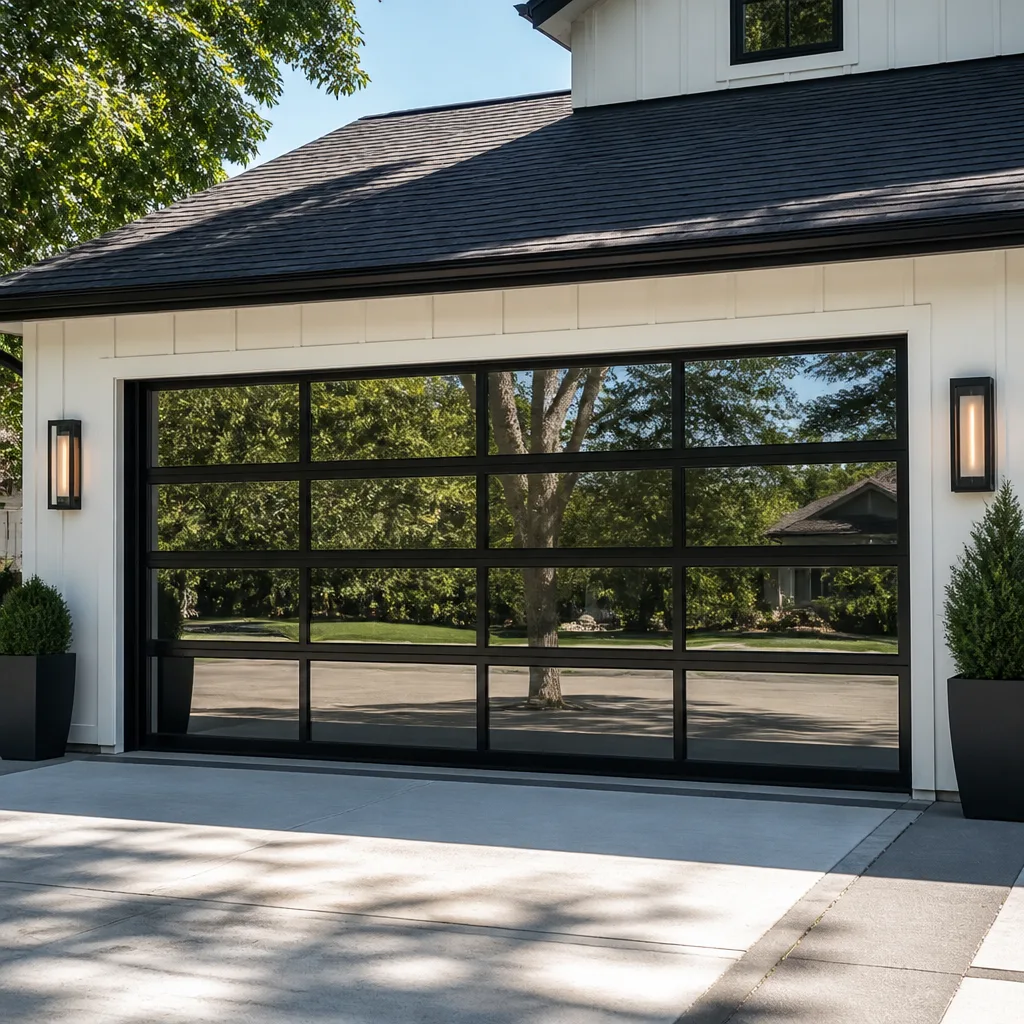 Full-view glass
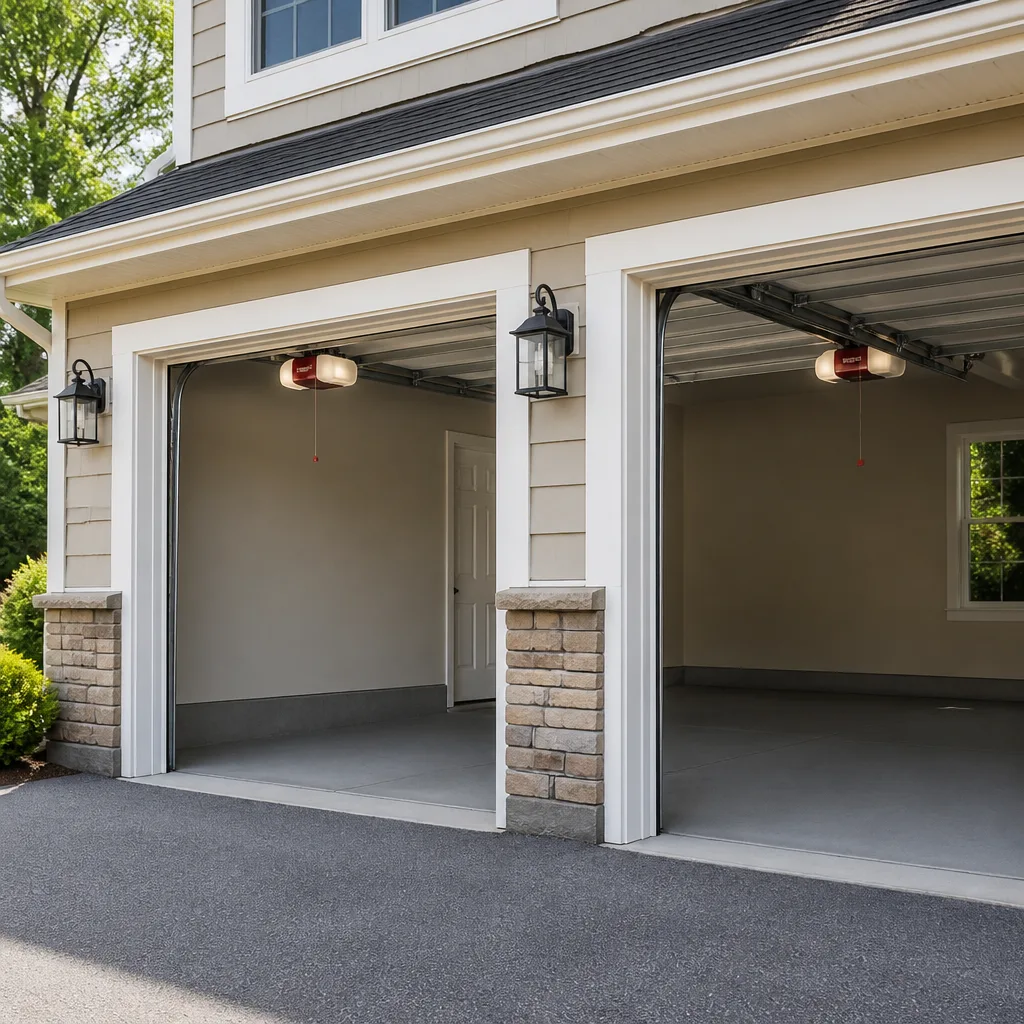 LiftMaster openers
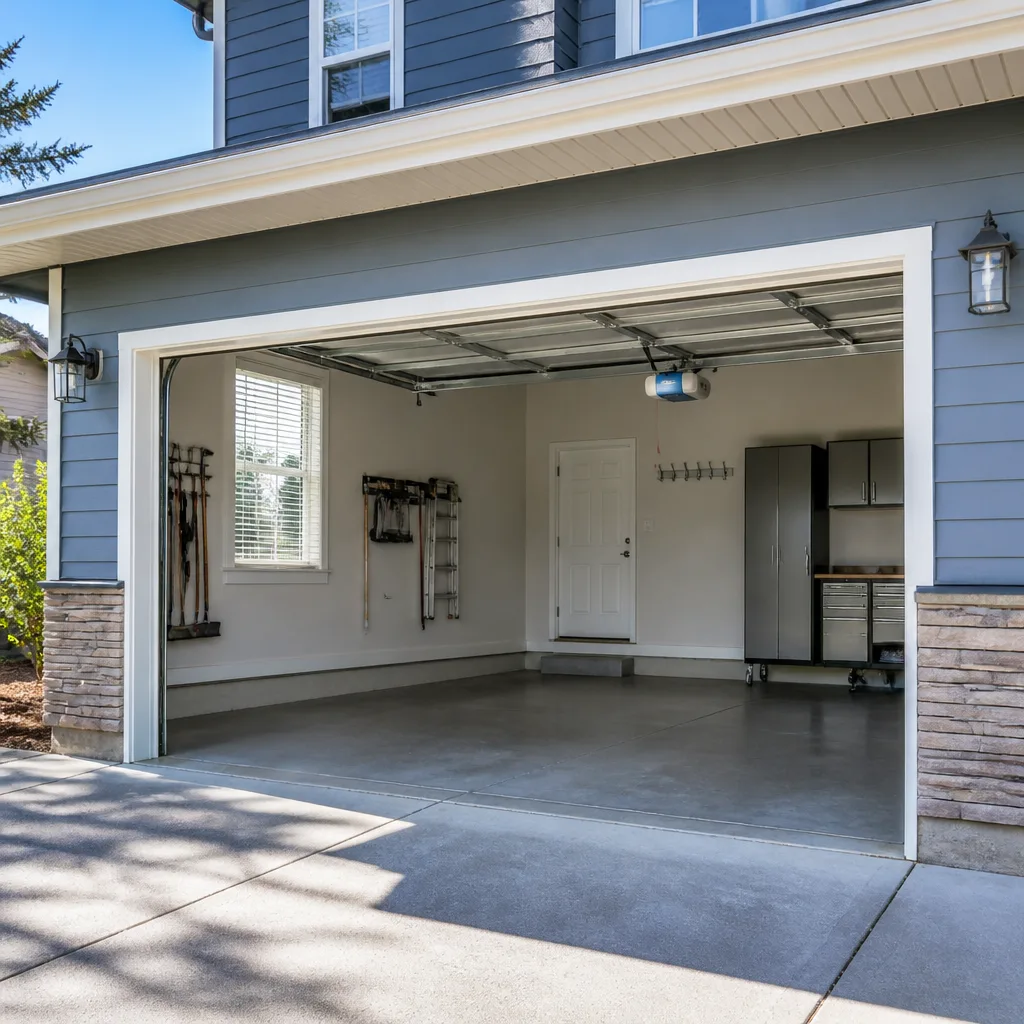 Chamberlain openers
Full 25-point door and opener safety check with every visit - springs, cables, rollers, tracks, and your LiftMaster or Chamberlain opener included
You get a price before we start. It does not change when the pro arrives.
Get your free estimateSeasonal Garage Door Care for College Station: Year-Round Homeowner’s Guide
Most homeowners around here treat garage door maintenance like an annual oil change: pick a month, do the checklist, forget about it until next year. That approach fails in College Station. Our climate doesn’t hand out four equal seasons. It hands out eight months of sustained heat, a short transition period, and the occasional hard freeze that arrives with almost no warning. A door that gets serviced in July has already spent months expanding, and the components inside it aren’t in the same condition as a door serviced in March. This guide walks through what actually happens to garage doors in Brazos County across a calendar year, and how to structure care around the real seasons rather than the ones on the calendar.
Styles & brands we work with
- Raised-panel steel
- Carriage house
- Modern flush
- Full-view glass
- LiftMaster openers
- Chamberlain openers
Quick Answer
The best time to service a garage door in College Station is October, when the door has survived the heat season and the door is easier to inspect before the freeze window arrives. Pre-summer prep in April catches thermal stress before the sustained 95°F+ months hit, storm season checks run May through September, and freeze prep gets squeezed into the few cool weeks before a hard freeze. A door that gets all four touchpoints holds up better than one that gets a single annual service, and spring, cable, and seal issues are far cheaper to catch early than to repair after they’ve failed.
Table of Contents
- Why College Station’s Climate Punishes Garage Doors Differently
- April: Pre-Summer Prep Before the Heat Sets In
- May through September: Storm Season Readiness
- Freeze Prep: The Step Most Homeowners Skip
- Post-Storm Assessment: What Hail and Wind Leave Behind
- October: The Highest-Value Maintenance Window
- December through February: The Cool-Season Checklist
- Common Mistakes to Avoid
- When to Call a Professional
- Frequently Asked Questions
- The Bottom Line
Why College Station’s Climate Punishes Garage Doors Differently
College Station sits in a climate zone that alternates between long stretches of heat and short, sharp cold snaps. That’s the opposite of what most garage door guides assume. A door in a steady cold climate stays cold all winter and its components settle into a stable size. A door in College Station spends the better part of a year at thermally expanded dimensions, then gets hit with a hard freeze that contracts every metal part on the door in a matter of hours. Springs and cables take that contraction as stress, not as a gentle reset.
Two things happen inside the mechanism during that cycle. Torsion springs that have expanded slightly during summer heat sit at a marginally different tension than when they were cold. Cables that have stretched under the heat become slightly more prone to slipping off a drum when they contract in the cold. Rollers that have softened in high temperatures are the first to bind when the temperature drops. Nothing here is dramatic on its own; the problem is that the effects compound.
The housing stock around College Station matters too. Older homes with wood-jamb framing and single-bay garages tend to show expansion and contraction at the frame rather than the door itself. Newer builds with tighter tolerances show it in the weather seals, which shrink faster in the heat and bond to the concrete floor faster in the cold. If you live in a neighborhood like Wolf Pen Creek, Emerald Forest, or Southwood Valley, your door’s biggest seasonal stress is the same one every garage door faces in College Station: heat expansion followed by an unpredictable cold contraction.
What this means for maintenance is simple. You can’t get away with one annual service and expect it to cover both extremes. A door that gets checked in April, again in October, and gets a quick freeze check before any hard cold snap holds up much better. That’s why we structure this guide around four touchpoints instead of one.
April: Pre-Summer Prep Before the Heat Sets In
April is the last month in College Station where the outdoor temperature stays in a range that lets a technician inspect a door comfortably and where the components haven’t yet started their summer thermal expansion. That makes it the ideal window for a heat-prep visit, and it’s the one most homeowners skip. If you only do one service visit this year and you do it in April, you’ll get ahead of the stress that hits in June, July, and August.
Here’s what a pre-summer check should cover, and why each item matters in this climate:
- Spring tension check. A torsion spring that’s slightly off in April becomes noticeably off by July. If a spring is showing early wear or has lost a fraction of its tension, catching it in April means replacing it on a scheduled visit rather than on a 98°F afternoon when the door stops working. Springs aren’t adjustable; if tension is off, they need to be replaced. That’s a job for a trained technician, not a homeowner, because torsion springs are under extremely high tension and can cause serious injury if handled without the proper winding bars and safety training.
- Roller inspection. Nylon rollers last longer than steel but soften in sustained heat. April is when you can still inspect them before the heat sets in. Any roller that already shows flat spots, cracking, or grinding noise should be replaced before the summer.
- Opener motor and logic test. A motor that hesitates in April will strain by August. Opener electronics run hotter than the garage air because the motor housing itself generates heat, and a motor on its way out shows the earliest signs in warm weather conditions. If your opener is a LiftMaster, Chamberlain, or Genie and it’s already making unfamiliar sounds, April is when to have it looked at.
- Lubrication pass. Hinges, rollers, and the spring coil should get a fresh application of a garage-door-rated lubricant (not WD-40, which is a solvent). Lubricant that’s been sitting all winter has dried or attracted dust, and a dry mechanism adds friction the motor has to work against all summer.
- Balance test. With the opener disconnected, the door should lift smoothly by hand and stay open roughly halfway without drifting. If it falls or rises on its own, the spring tension or counterweighting needs attention before the summer.
- Weather seal walk-around. Look at the sides and bottom seal. April is one of the last dry windows before heavy rain season, and a bad seal means water intrusion during the same storms you’ll be checking for in the next section.
That set of checks takes a competent technician about an hour and catches nearly everything that will fail during the heat season. If you want us to run it, our garage door repair team handles the same list on a scheduled visit, and the estimate is free.
May through September: Storm Season Readiness
College Station’s heavy rain season runs roughly May through September, and every year we see the same handful of failures: a bottom seal that’s finally given up, a side gap that’s been lurking all winter, a door with a slightly warped panel that lets wind-driven rain travel along the panel ribs and into the garage. The problems aren’t dramatic. They just show up as a wet slab, rusted hinges, and a musty smell a week after the storm.
Before the first significant rain event of the year, walk your garage door perimeter and check these four zones:
- Bottom seal (the astragal). This is a rubber or vinyl strip along the bottom edge of the door. Lay on the floor and look under the closed door. If you can see daylight through any part of the seal, water will find it. If the rubber has flattened, hardened, or developed visible tears, it needs to be replaced before the rains.
- Side seals (weatherstripping on the jamb). These live on the door jamb and should compress against the door face when it’s closed. Torn or flattened side seals let wind-driven rain through the gap between the door edge and the frame.
- Top seal. Often overlooked. A top seal that’s failed lets water run down the inside face of the door and pool on the opener rail, which is the fastest way to shorten the life of opener electronics.
- Gap under the door after closing. If your door doesn’t sit perfectly on the floor across its full width, the floor itself may be out of level. This isn’t a garage door problem, but it does need a fix (a threshold seal or bottom seal with a deeper rubber profile) before storms push water up under the door.
During the storm season, a monthly visual check is worth the two minutes it takes. Look for water stains on the interior wall of the garage, rust on hinges, and any suspicious sounds when the door runs. These are all indicators that the seal is failing or the door has been flexing under wind gusts. If you notice the door chattering or jumping on its track during a gusty day, stop running it and have the track and hinges checked; a door that’s wobbling during wind can jump the track entirely.
Freeze Prep: The Step Most Homeowners Skip
Here’s the freeze-season mistake that shows up most often in College Station: the door works fine all year, then a hard freeze hits and the bottom seal welds itself to the concrete floor. When the opener tries to lift the door the next morning, it strains against a seal that’s literally bonded to the slab. Sometimes the opener’s auto-reverse trips and the door won’t move at all. Sometimes the seal tears away from the retainer and drops onto the floor. Either way, it’s a same-day call to a technician that a homeowner could have prevented with fifteen minutes of work in December.
What to do before a hard freeze advisory hits:
- Clean the bottom seal and track-to-floor contact zone. Dirt and moisture on the rubber are what cause the bond to the concrete. Wipe the bottom rubber down with a mild soap solution and dry it thoroughly.
- Apply a rubber-safe silicone spray or a dry silicone lubricant to the bottom seal’s underside. This is specifically for the rubber against the floor, not the metal track. A thin coat of silicone prevents the rubber from adhering to cold concrete.
- Test the opener’s auto-reverse while you’re at it. With the door on the floor, put a rolled-up towel under it and close the door. The door should reverse when it contacts the towel. If it doesn’t, the safety system needs attention now, not during a freeze.
- Check that the door isn’t sitting on a wet slab. If the concrete inside the garage is damp from the last rain, the freeze will grab the seal much more aggressively. Sweep and dry the slab before a freeze advisory.
- Lubricate the hinges and rollers again with a cold-rated garage-door lubricant. Standard lubricant that’s been sitting all summer can thicken in a freeze and make the door harder to lift.
One important safety note: freeze season is when springs fail. Metal that’s been expanding all summer contracts rapidly when cold air arrives, and that contraction can be the breaking point for a spring that was already carrying a hairline crack. If a spring fails, do not try to operate the door by hand. A torsion spring under partial tension can cause serious injury when it releases. Call a trained technician. Same goes for cables. A snapped cable is a safety hazard, not a do-it-yourself fix.
Post-Storm Assessment: What Hail and Wind Leave Behind
After a significant hail or wind event in College Station, homeowners typically look at the front of the door, see panels that look intact, and assume everything’s fine. In our experience, most of the damage from a hail event isn’t on the outward face of the panel. It’s in three other places:
- Track alignment. Wind gusts push against the door and put lateral force on the vertical track brackets. The track can shift a fraction of an inch and still look straight from the driveway. The symptom shows up the next time the door runs, as a grinding or scraping noise from one side.
- Hinge and roller play. Hail that hits the door face transfers impact force into the hinges. A hinge that’s been bent slightly off-axis will bind as the door rolls up and down, and that binding puts extra strain on the opener.
- Panel warping on the interior side. Hail dents on the exterior of a steel panel can pull the panel slightly out of alignment. The safest way to check is to look at the door from inside the garage with the door closed and a light on. Any daylight or shadow line along a panel joint means the panel has shifted.
For a post-storm check, here’s the sequence:
- With the door closed, look at the interior face of the door from inside the garage. Shadow lines, dents, and pushed-in hinges all show up there.
- Listen to the door run. Any new grinding, scraping, or rattling is worth having diagnosed.
- Walk the track on both sides and look for brackets that have moved out of alignment. Track should be perfectly parallel to the door’s travel path from top to bottom.
- Check for water intrusion at the top and sides, which is the most common sign that the door has shifted just enough to open a seal.
If any of these signs show up, have the door inspected. Brandon, College Station, and the surrounding neighborhoods all see hail events on a similar cadence, and a door that’s been beaten up by hail but is still functioning is exactly the kind of door that fails on the next freeze. Ask your insurer for a copy of your hail-damage coverage before you assume a door is repairable under a claim; the adjuster’s assessment and the technician’s assessment are usually two different conversations.
October: The Highest-Value Maintenance Window
If you only service a College Station garage door once this year, do it in October. That sounds counterintuitive. Why October and not spring? Because by October, the door has survived the entire heat season. Every component on the door has been through months of thermal expansion, and whatever wear or stress the heat caused is now visible and diagnosable. A spring that’s been losing tension all summer shows its wear in October. A roller that’s been sliding on a dry track all summer shows its flat spots in October. A door with a slightly off-track condition from an August storm shows the alignment problem in October, before the freeze window makes it worse.
October is also the last cool-but-not-cold month in College Station. It’s warm enough to work on the door comfortably, cool enough that opening the garage for an hour isn’t a heat problem, and dry enough that weather seals can be inspected and replaced without rain in the way.
What a proper October service visit covers:
- Full spring and cable inspection. Every coil of every spring, every end of every cable, every drum. October is when wear patterns are most readable.
- Track and hinge alignment check. Confirm the track is parallel, hinges are tight, and brackets haven’t shifted.
- Roller replacement where needed. Rollers that have shown flat spots or binding after the summer get replaced now rather than in December.
- Opener service. Motor and logic check, limit switch calibration, safety reversal test. If you have a Wayne Dalton or Raynor opener or a legacy Craftsman unit, this is also when a technician can confirm whether the opener is going to make it through another year.
- Weather seal replacement. Bottom and side seals that showed wear during the summer get replaced in October so they’re fresh going into winter.
- Balance test and lubrication. The full reset for the door going into the freeze window.
A properly serviced door in October arrives at the first freeze in good shape. The door that skipped October service arrives at the first freeze with its summer wear intact, which is exactly the condition that turns a hard freeze into a service call. If you’d like to schedule an October service visit for a College Station garage door, our garage door opener repair team runs the full checklist and will give you a written estimate before any work starts.
December through February: The Cool-Season Checklist
Cold-season care for a College Station garage door isn’t about digging out from under snow. It’s about being ready when a hard freeze shows up with two days’ notice. The typical Brazos County pattern is a warm stretch followed by a quick cold snap. That’s a worse pattern for garage door components than a steady winter, because the door’s material history is expansion and contraction rather than a stable cold condition.
Once a week during the cold months, do this quick check:
- Listen to the door on the first run of the morning. If it sounds different than it did yesterday, something has shifted. That’s your early warning sign.
- Look at the bottom seal against the floor with the door closed. Any gap or light coming through means water will find it, and cold air will find it faster.
- Watch for daylight through panel joints from inside the garage. Panels that develop gaps in cold weather are usually telling you they’ve begun to flex out of alignment.
- Confirm the opener’s safety reversal still works. Cold weather is when opener logic boards show the first signs of trouble. If the auto-reverse is failing intermittently in cold weather, it needs to be addressed.
Winter is also the season to check the hardware at the top of the door: the center bearing plate, the end bearing plates, and the torsion tube. Cold contraction stresses those plates more than warm expansion does. Any grinding sound from above the door during the first few lifts of a cold morning is worth investigating.
Common Mistakes to Avoid
- Doing one service per year and assuming it’s enough. In a climate that splits roughly into eight months of heat, a short transition, and freeze events, one service leaves three seasonal touchpoints unaddressed. The door that fails during a hard freeze is usually the door that got its only service in April.
- Using WD-40 as garage door lubricant. WD-40 is a solvent and displaces the lubricant that’s already on your hinges and rollers. Use a garage-door-rated or dry silicone lubricant; the solvent products actually accelerate wear on a College Station door that’s running in high heat.
- Painting over a bottom seal instead of replacing it. Paint on the rubber of a bottom seal prevents the seal from compressing against the floor properly, and it’s the fastest way to get a garage that floods in a summer storm. Replace the seal; don’t paint it.
- Adjusting torsion springs without proper tools. This is the mistake that causes serious injury on garage doors, not just part damage. Torsion springs are under extreme tension. A homeowner cannot safely adjust them with anything short of the correct winding bars and training, and the springs can release violently if handled incorrectly.
- Ignoring a door that “just makes a little noise.” A grinding or popping sound from a garage door in College Station during the summer heat is usually a roller that’s beginning to bind. Left alone, that roller will chew into the track and take the opener out with it.
- Skipping the post-storm assessment. Hail damage that looks cosmetic on the outside of a steel panel can be structural on the inside face. The door may work for months before the misalignment shows up as a seal failure or a track problem.
- Waiting until a freeze advisory to prepare. Lubricating the bottom seal and testing the auto-reverse during a freeze advisory is too late. The bonding to concrete happens on the first cold night, not a week later. Do the freeze-prep work in early December.
- Assuming any brand of opener is the same to diagnose. LiftMaster, Chamberlain, and Genie openers share some architecture but differ on limit switch design, logic boards, and safety sensor compatibility. A Wayne Dalton or Raynor legacy unit has its own diagnostic habits. Choosing a technician who knows these specific systems saves you a repeat visit.
When to Call a Professional
Most of the seasonal work in this guide is something a homeowner can do: the checks, the lubrication, the visual inspections. But some of it is not. Call a professional if a spring has broken, if a cable has snapped or shows fraying, if the door won’t balance properly when disconnected, if the track has visibly shifted, if the opener is tripping its auto-reverse intermittently, or if a post-storm assessment turns up sigh of track or panel misalignment. Spring and cable work isn’t a do-it-yourself job at all; those components store enough energy to cause serious injury if a homeowner handles them without the proper tools. Opener logic and motor work also benefits from a technician who knows the specific brand; the diagnosis time on a LiftMaster, a Genie, or a Raynor unit is very different from a generalist’s first visit. Bluestone Garage Door Repair offers free estimates in College Station; the written estimate sets the price before any work begins. Call (888) 874-4281.
Frequently Asked Questions
October is the best month to schedule a full garage door service in College Station. By October, the door has been through the full heat season, so wear on springs, rollers, and seals is visible and diagnosable, and the outdoor temperatures are mild enough that a technician can work on the door comfortably. Servicing in October also means the door is in good shape going into the freeze window. April is the second-best month for pre-summer prep. Call (888) 874-4281 for an exact quote, and remember estimates are free.
Check the bottom and side seals monthly from May through September (storm season), and again before any hard freeze advisory in December or January. The bottom seal is the one that fails most often in this climate because it takes the most heat exposure and is the first surface to bond to the concrete floor during a cold snap. If you see daylight under the closed door, the seal needs replacing before the next rain event.
Yes, and the difference is significant. A steady cold climate keeps the door’s components at a stable size through the winter. College Station’s long heat season followed by occasional hard freezes means the door goes through thermal expansion for months and then gets hit with rapid contraction. That whiplash is harder on springs, cables, and seals than a consistent cold winter would be. If you moved here from a colder state, the annual maintenance rhythm you used up there will not protect a door here.
You can lubricate a spring coil surface with a garage-door-rated lubricant, which is a safe preventive step. You cannot adjust the torsion tension without the correct winding bars, and we strongly recommend against attempting it. A torsion spring is under very high tension and can release violently if handled incorrectly, causing serious injury. If a spring has broken, is losing tension, or is showing visible cracking, call a technician. A trained technician has the tools to de-tension and replace the spring safely. Call (888) 874-4281 to book a spring check.
Don’t assume the door is fine just because the driveway-side face looks intact. With the door closed, look at the interior face from inside the garage. Any daylight, shadow line along a panel joint, or obvious dent that transfers through the panel means the door has been pushed out of alignment. Run the door and listen for new grinding or scraping; then walk the track on both sides for shifted brackets. If any of those show up, have the door assessed before the next freeze. Call (888) 874-4281 for a free estimate.
Seasonal maintenance is typically quoted per visit, and the exact price depends on what a technician finds: whether seals need replacing, rollers need swapping, or opener components need attention. Call (888) 874-4281 with your door’s make and model (for example, a Clopay steel door on a LiftMaster opener or an Amarr on a Genie drive) and you’ll get a free estimate. The written estimate sets the price, and no work begins until you’ve agreed to it.
No, the written estimate sets the price. If a technician finds additional issues after opening the door, those are added to a new written estimate that you approve before any work proceeds. The price you agree to is the price you pay. Call (888) 874-4281 to schedule a visit; estimates are free.
The technicians we connect homeowners with are experienced in garage door repair, opener repair, and installation, and they hold appropriate insurance for the work. Our technicians have up to 11 years of experience across major brands including LiftMaster, Chamberlain, Genie, Clopay, Amarr, Wayne Dalton, Craftsman, and Raynor. Call (888) 874-4281 for a free estimate and to confirm coverage details for your job.
The Bottom Line
College Station’s climate doesn’t reward a single annual service. It rewards a calendar. April for pre-summer prep, monthly checks through storm season, December freeze prep, and October for the full service visit that catches everything the summer wore down. The door that gets this rhythm doesn’t fail in a hard freeze; the door that ignores it does. Most of what you can do yourself is checks and lubrication. The spring, cable, track, and opener work should go to a technician who knows your brand. If the door is showing any of the warning signs in this guide, or if you just want a scheduled October service before the freeze window opens, call (888) 874-4281. We’ll send out a technician with the right tools and a written estimate in hand. Fast dispatch from 7am to 7pm, Sunday through Friday. We answer 24/7. Estimates are free.
Written by the team at Bluestone Garage Door Repair.
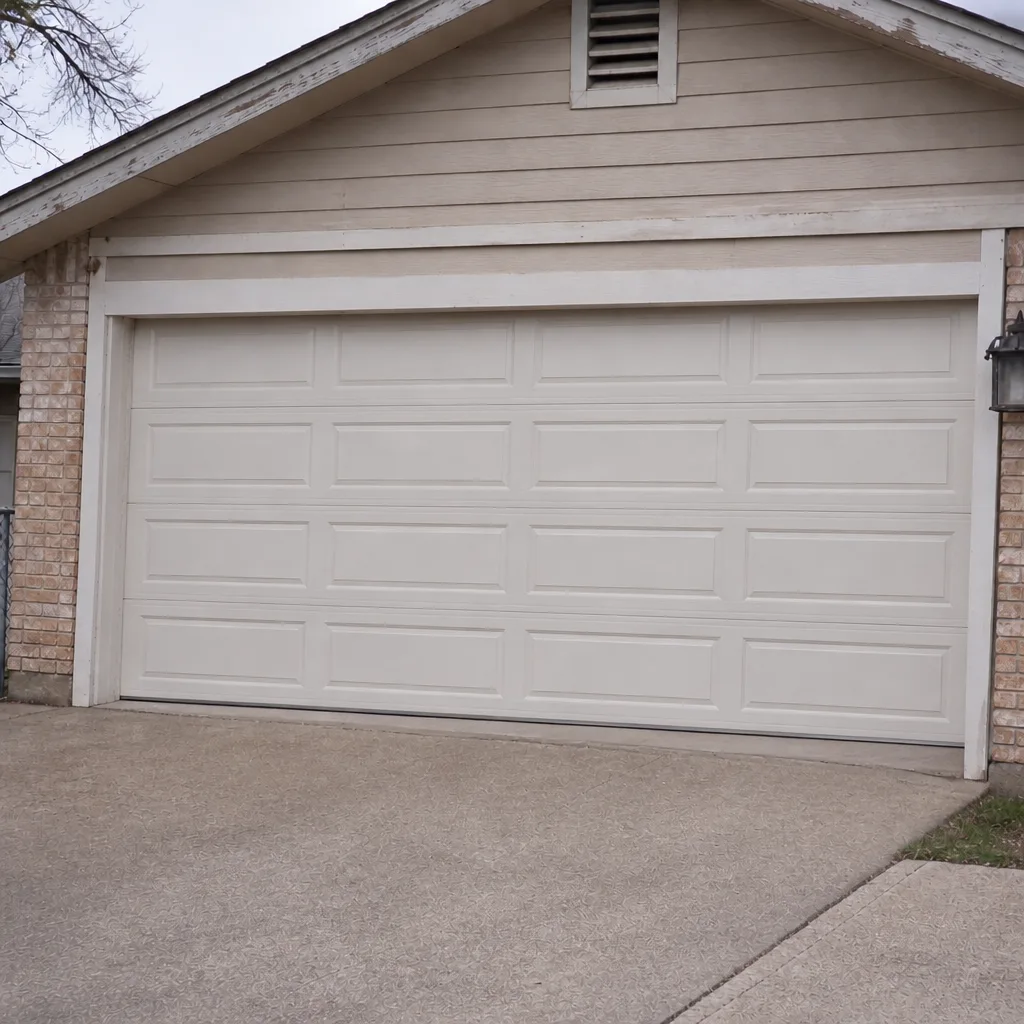
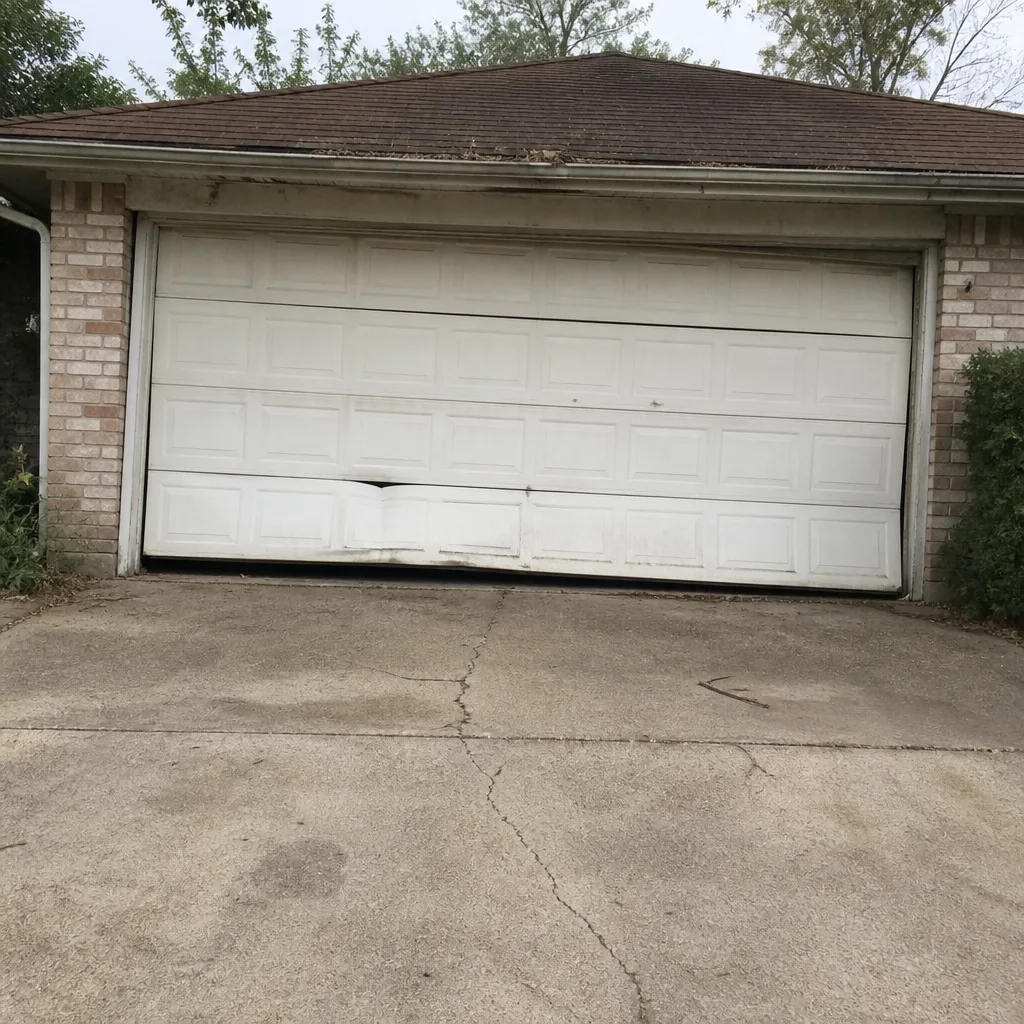
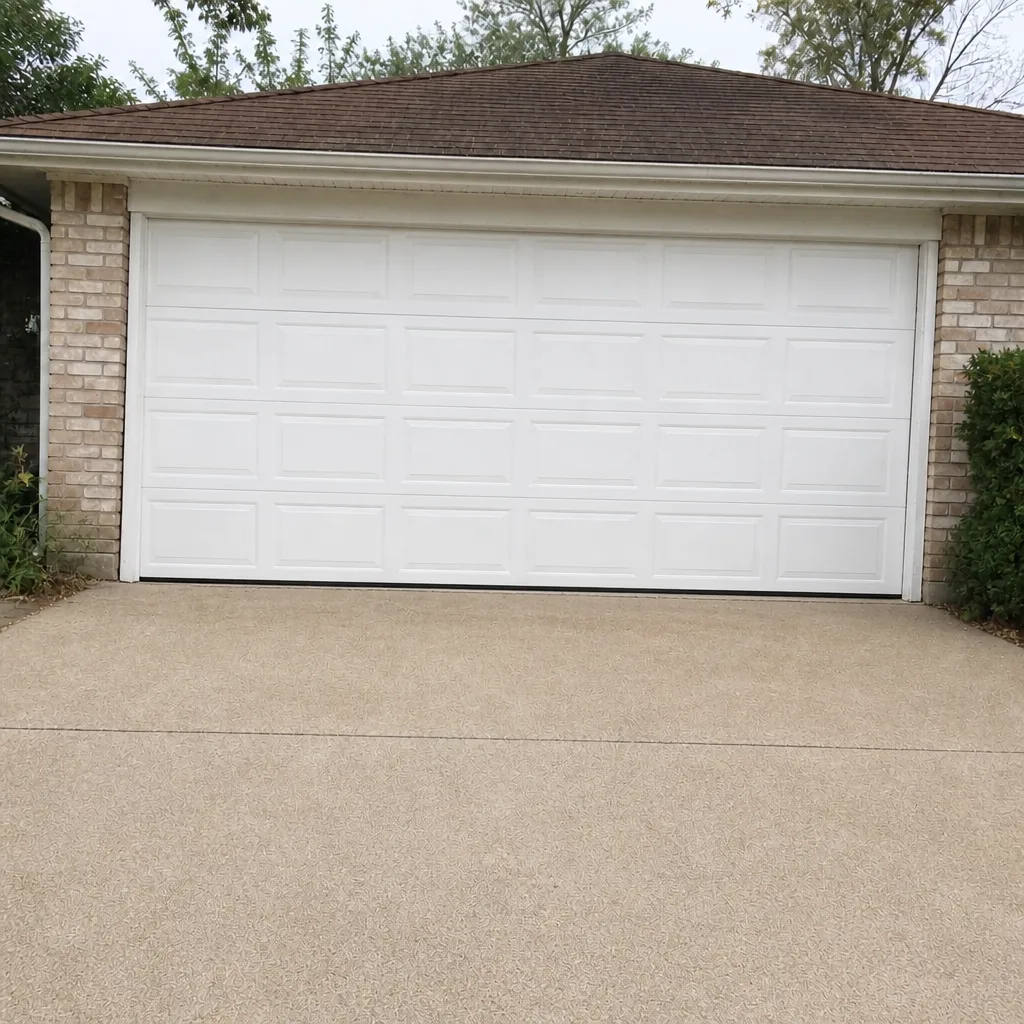
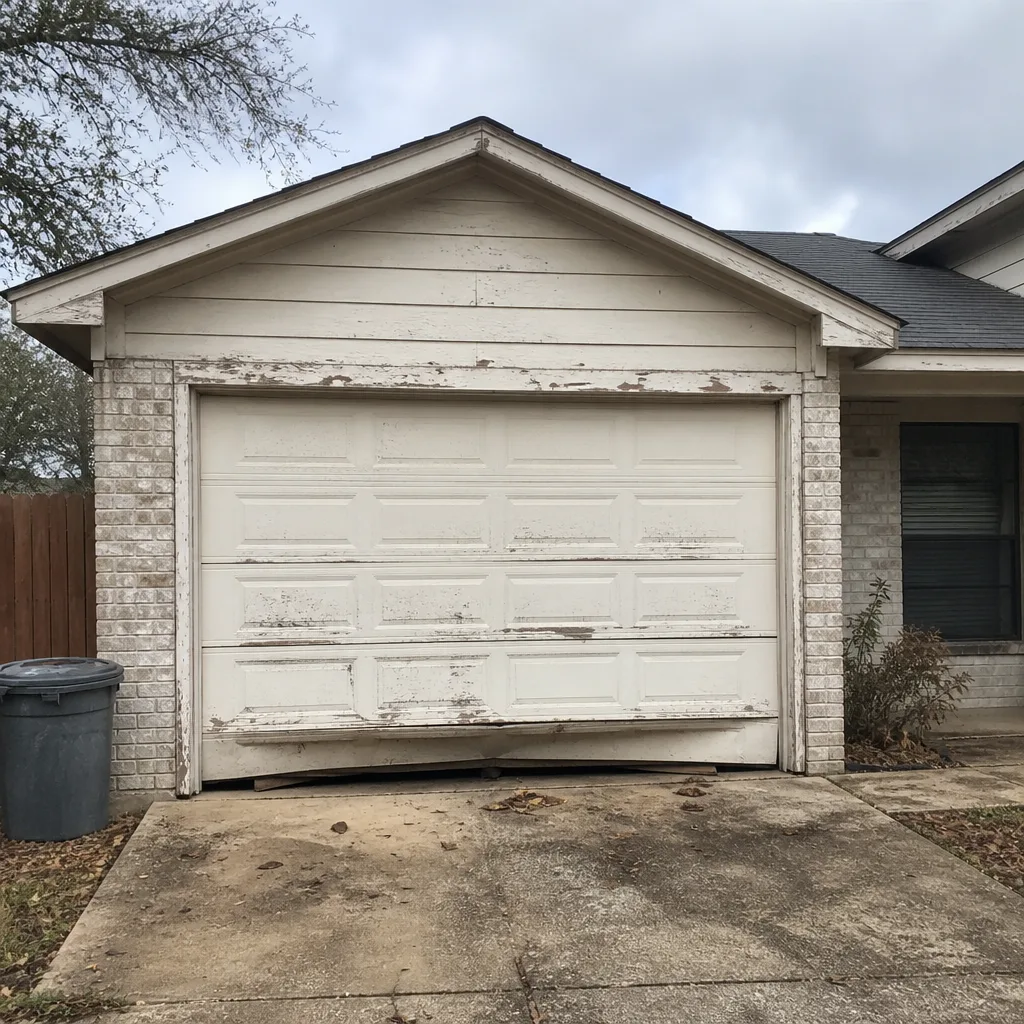
See the difference
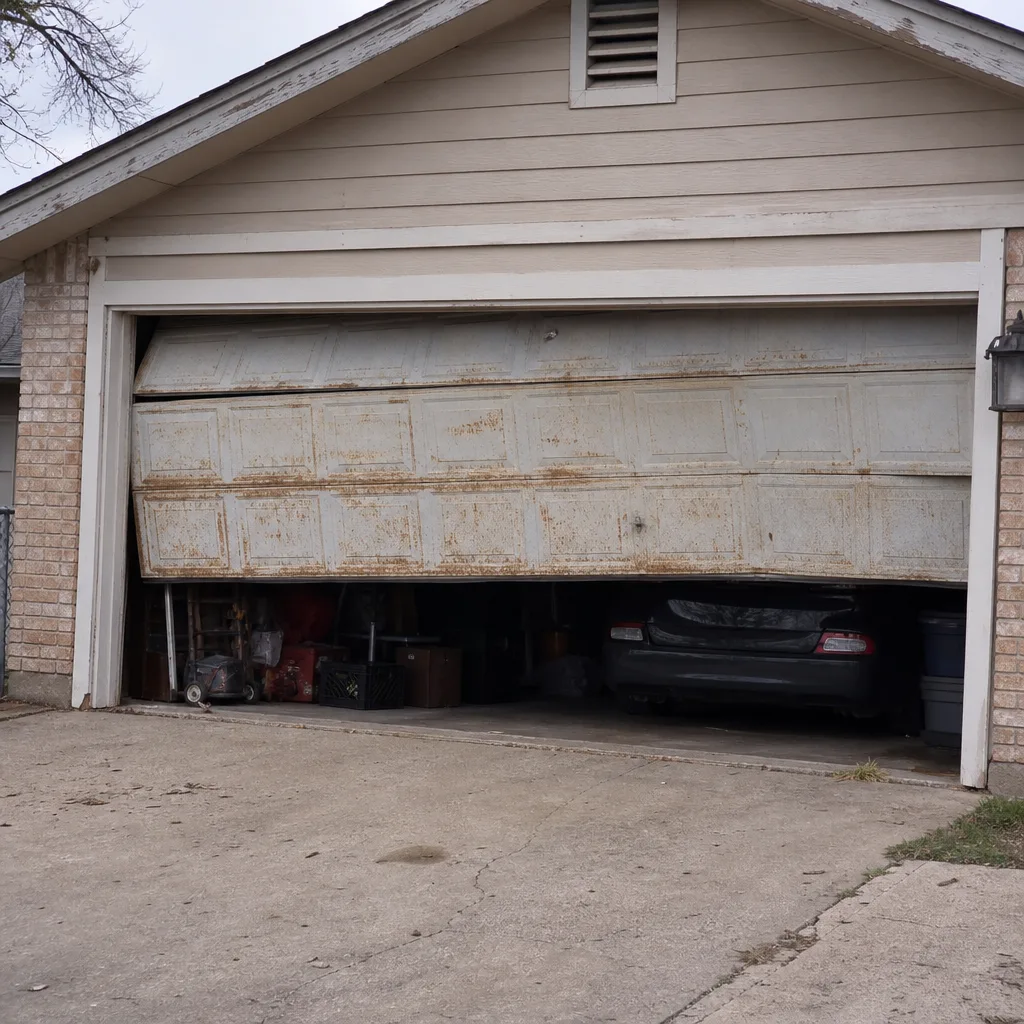 Before
 After
 Before
 After
 Before
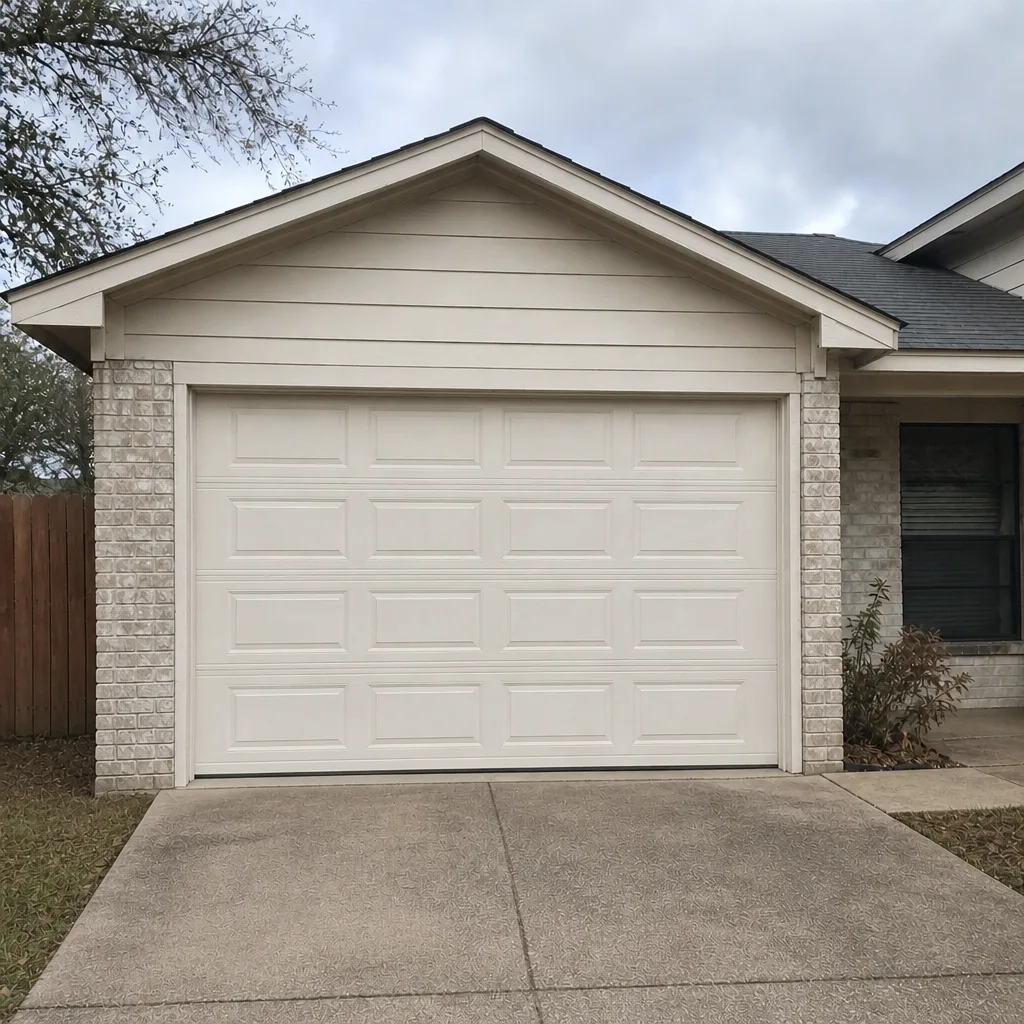 After