
Last updated November 15, 2026
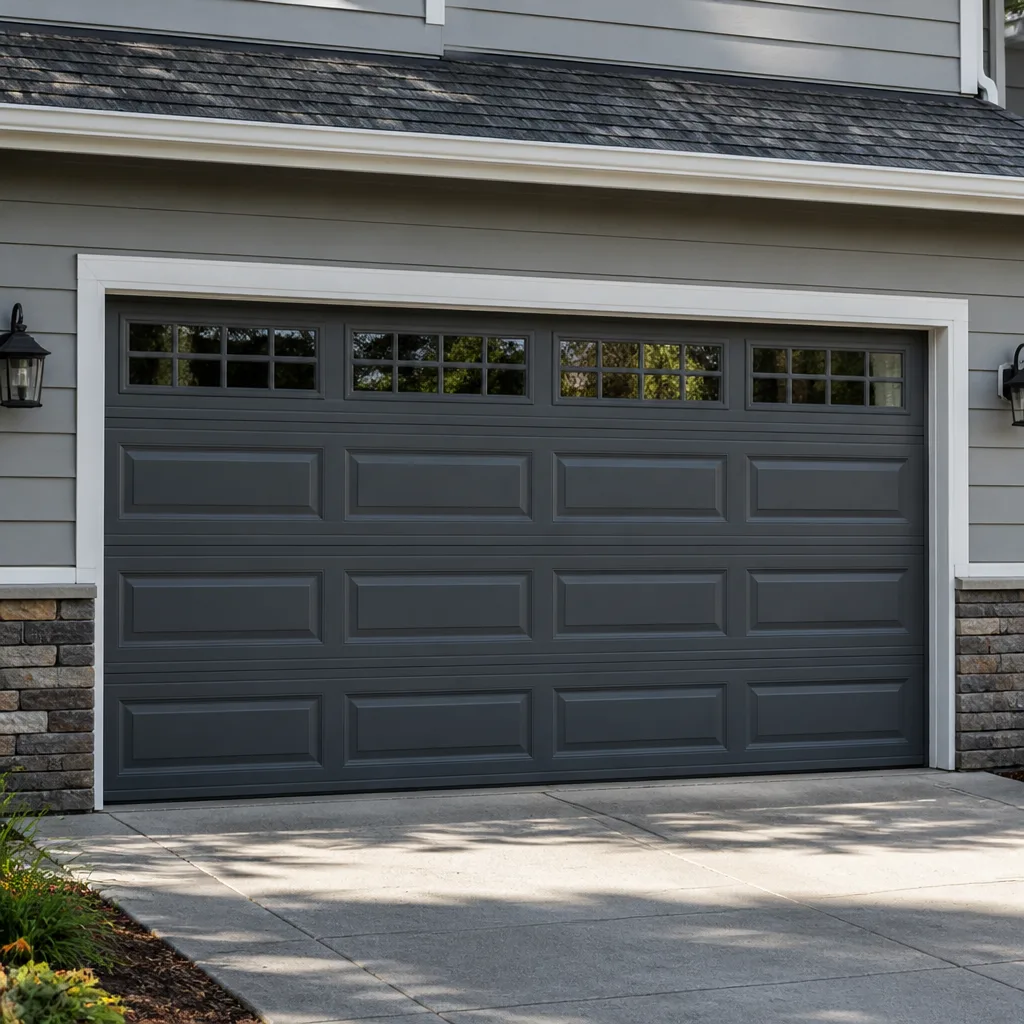 Raised-panel steel
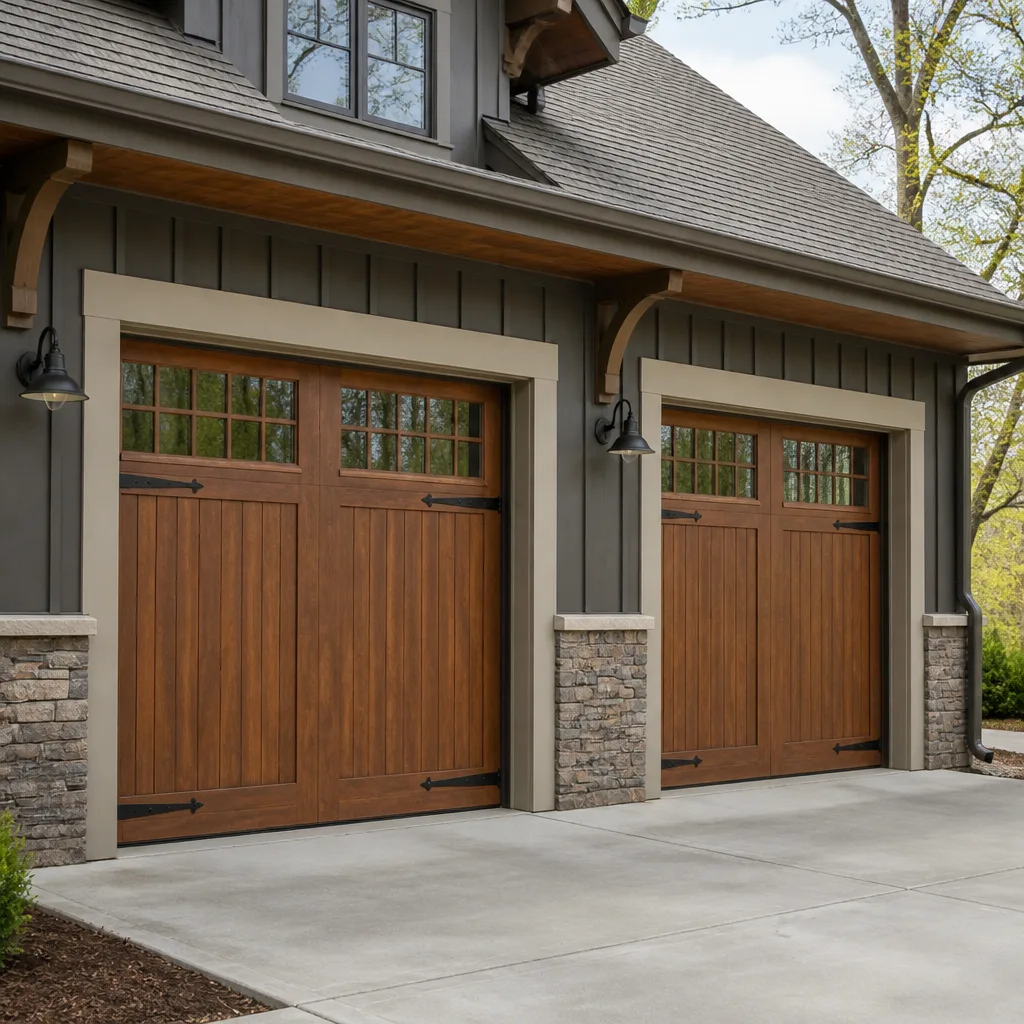 Carriage house
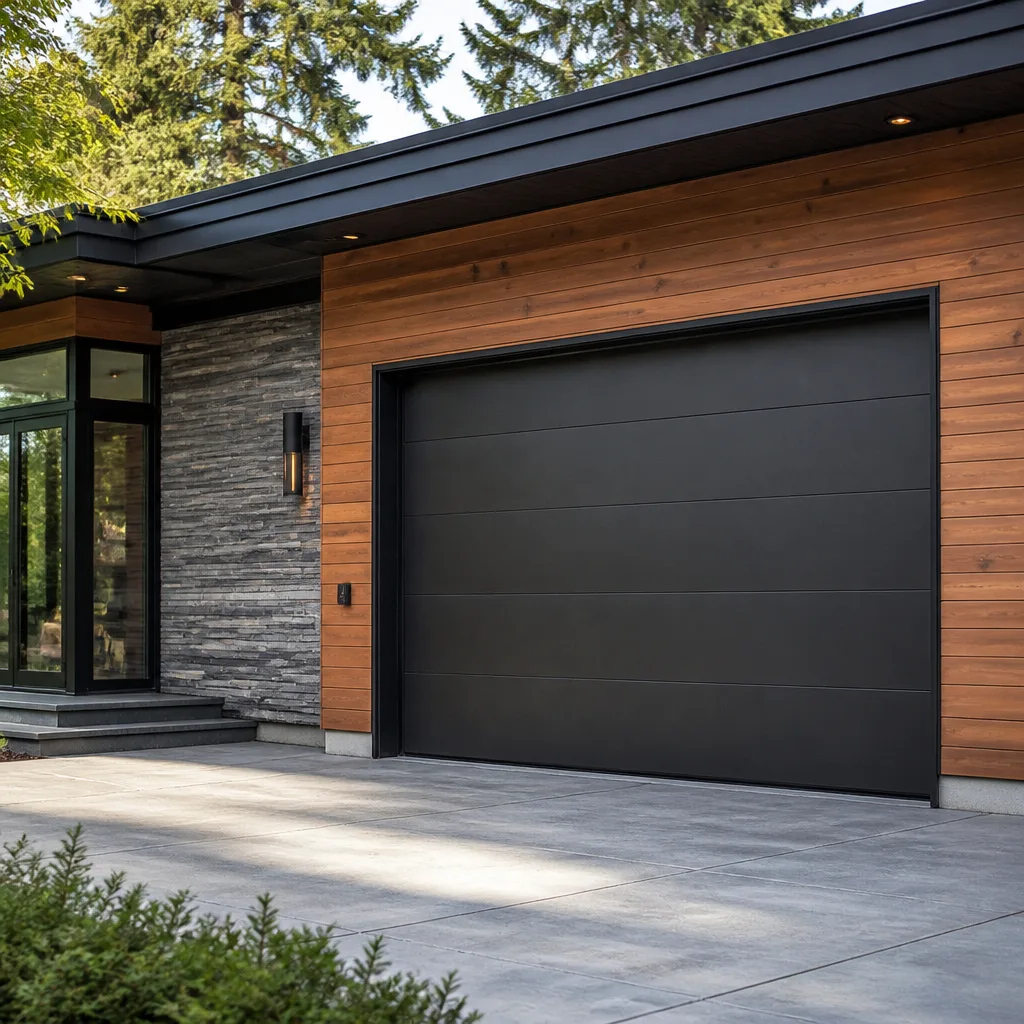 Modern flush
 Full-view glass
 LiftMaster openers
 Chamberlain openers
Full 25-point door and opener safety check with every visit - springs, cables, rollers, tracks, and your LiftMaster or Chamberlain opener included
You get a price before we start. It does not change when the pro arrives.
Get your free estimateChoosing the Right Garage Door Brand: A Buyer’s Guide for College Station
Most garage door brand advice you’ll get in College Station comes from whoever is standing in your driveway. That’s not a knock on installers. It’s just how the trade works: a contractor recommends the lines they’re set up to sell, and a homeowner who has never compared a Clopay panel to an Amarr panel has no independent way to check the recommendation. Brand loyalty in this industry is mostly installer-driven, and the brand that performs best in sustained Central Texas heat isn’t always the one that gets pitched. This guide gives you a framework you can use before you sign anything: how steel gauge and insulation actually translate to a Texas garage, corrosion and humidity, warranty terms you can read, parts availability around Brazos County, and opener pairing. By the end you’ll know which questions separate a good recommendation from a convenient one.
Quick Answer
There’s no single best garage door brand for every College Station home. Clopay, Amarr, and Wayne Dalton all make doors that hold up well here when the steel gauge, insulation, and finish match the exposure of your particular wall; the right pick depends on whether your garage faces direct afternoon sun, whether it’s attached and air-conditioned on the other side, and how quickly you can get a replacement section when something fails. For most local homes we lean toward a heavier-gauge steel door with a factory finish from a brand with regional parts stock, paired with a LiftMaster or Chamberlain opener. What matters more than the logo is that the door, the hardware, and the opener are chosen together and that the warranty is one you can actually execute.
Styles & brands we work with
- Raised-panel steel
- Carriage house
- Modern flush
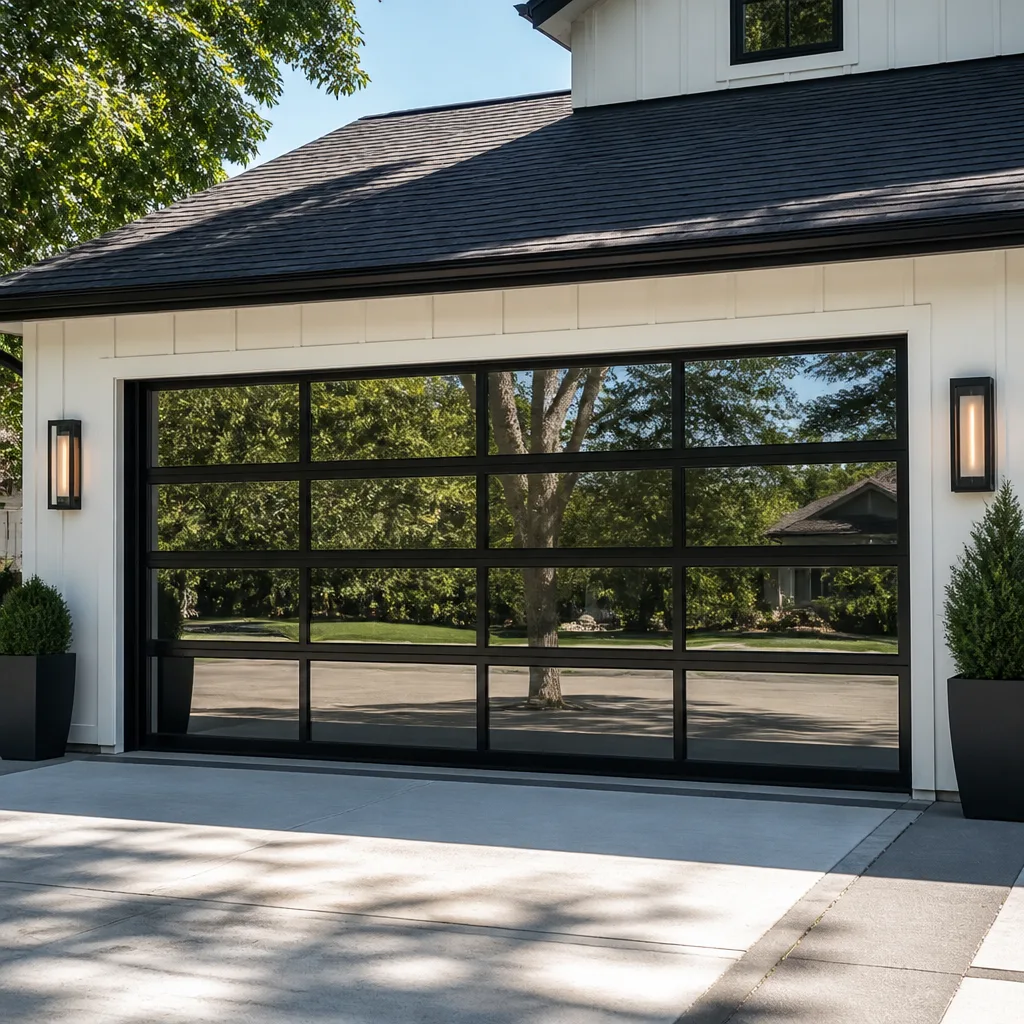
- Full-view glass
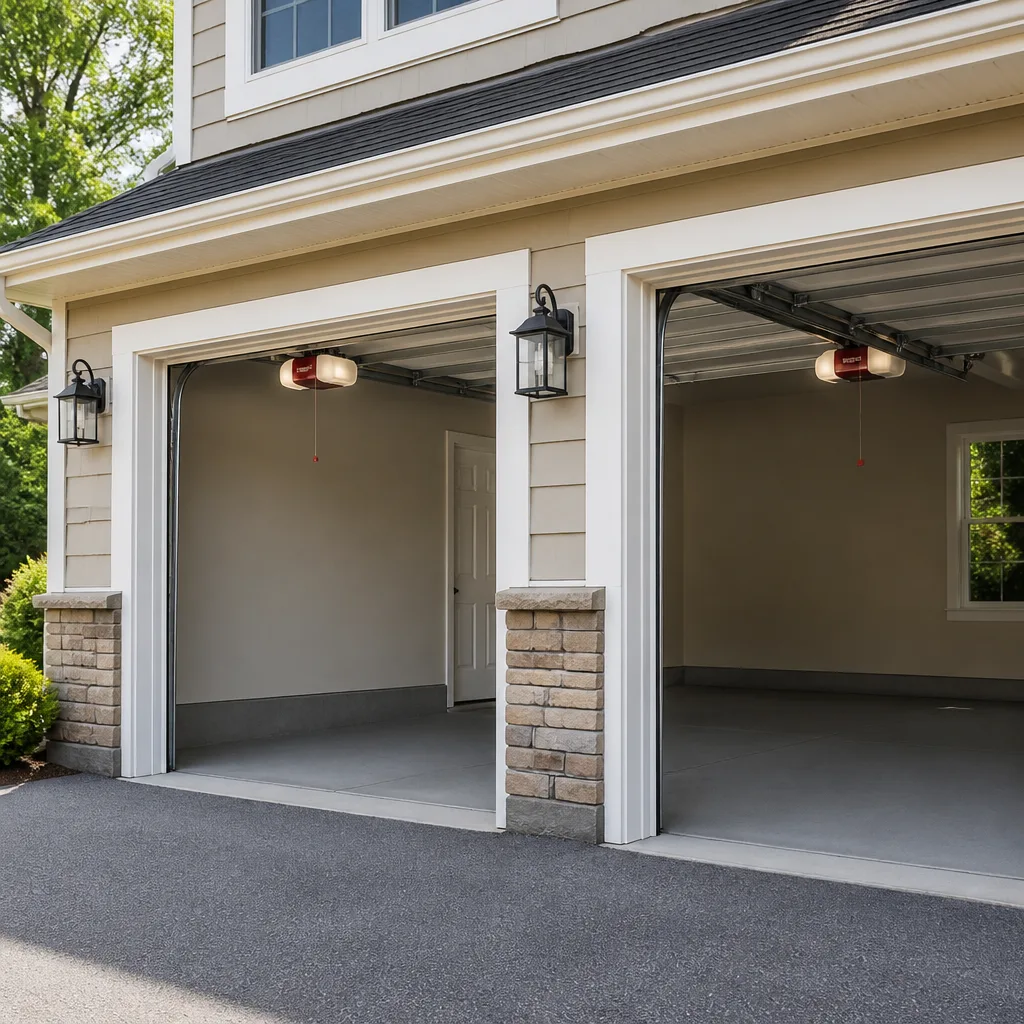
- LiftMaster openers
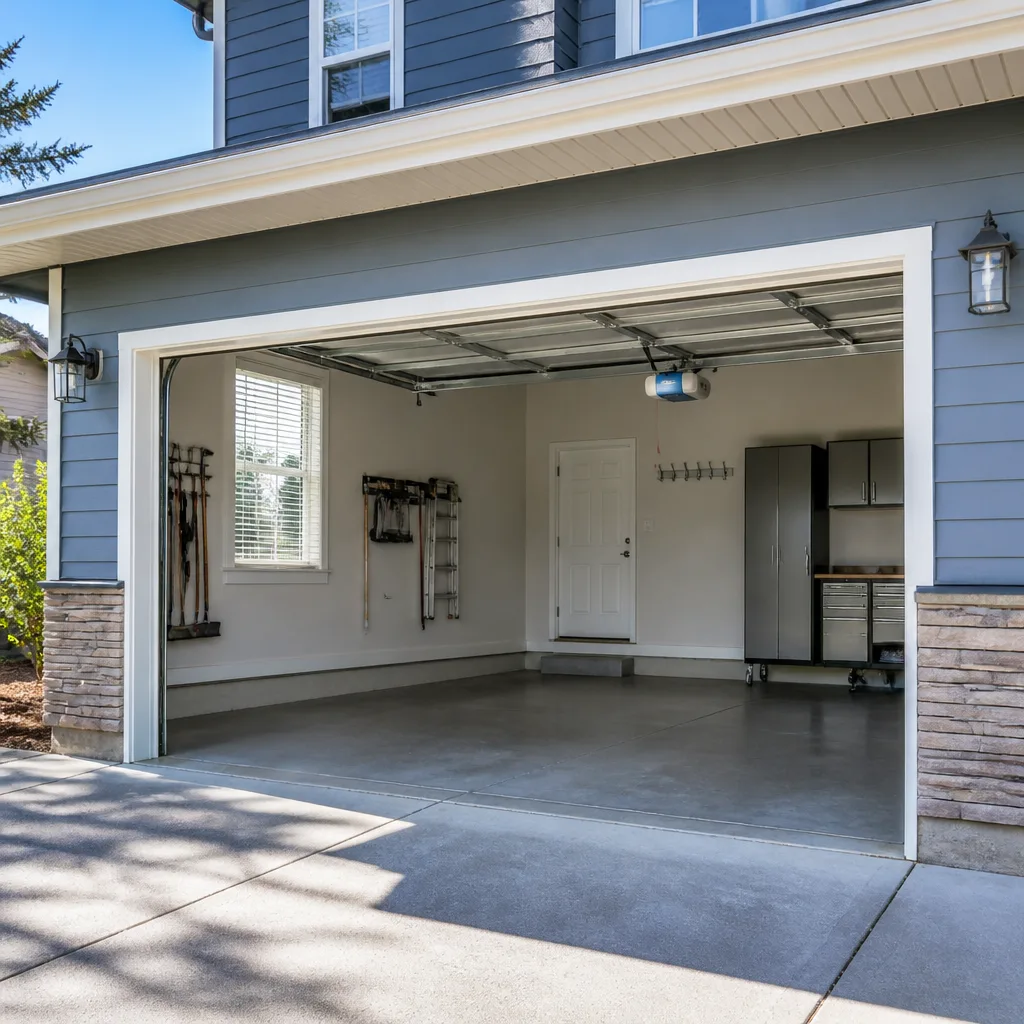
- Chamberlain openers
Table of Contents
- Why Brand Choice Matters More in College Station Than Most Buyers Realize
- Clopay, Amarr, Wayne Dalton, and CHI: A Head-to-Head on What Matters Locally
- Steel Gauge and R-Value, Decoded for Texas Heat
- Corrosion and Humidity: What Survives a Brazos County Summer
- How to Read a Garage Door Warranty Before You Buy
- Opener Brand Alignment: LiftMaster, Chamberlain, and Genie
- Parts Availability Around Brazos County
- How to Evaluate a Dealer’s Brand Recommendation
Why Brand Choice Matters More in College Station Than Most Buyers Realize
A garage door in College Station lives a harder life than the same door in a mild Northern climate, and the difference isn’t cold. It’s sustained heat. A west-facing door on a home in College Station can sit in direct afternoon sun for hours through a long summer, and steel expands, paint chalks, and seals dry out in ways that a door in a cooler market never experiences. Northern buying guides obsess over snow load and freeze-thaw. Neither is the local problem. The local problem is thermal stress on panels, finish degradation from UV, and humidity that works at hinges, springs, and bottom seals year after year.
That changes how you should weigh a brand. A door engineered to shed snow and hold heat in might not be the door that resists heat gain best in a garage that faces the sun all afternoon. And insulation that’s excellent in a climate-controlled Northern garage may be oversized for a detached garage in College Station where you mostly want the summer heat kept out of the attached rooms on the other side of the wall.
The other reason brand matters is parts. Garage doors aren’t like cars, where aftermarket parts flow freely. A specific brand’s panel profile, hinge pattern, and spring winding are proprietary, and when one fails, you’re buying from that brand’s distribution network. In a market where a door can take weeks to arrive from a distant warehouse versus days from a regional one, the brand you choose has a real effect on how long your door stays down after a failure. In our experience, that gap is bigger than most homeowners expect going in.
So the framework here is simple: judge the brand on how it handles heat, humidity, parts, and warranty execution. Not on marketing. Not on which one the last contractor had a relationship with.
Clopay, Amarr, Wayne Dalton, and CHI: A Head-to-Head on What Matters Locally
These four turn up often in this market, and comparing them by name on paper is less useful than comparing them on the three factors that actually decide how a door performs here: thermal performance, corrosion resistance, and warranty terms. Here’s how they stack up, with the caveat that specific product lines within any brand vary more than the brands themselves do.
- Clopay is one of the most widely distributed residential brands in the country, and that breadth cuts both ways. The advantage is that standard sizes and common panel profiles are generally easy to source through regional distribution, which shortens repair timelines in College Station. The downside is that entry-level Clopay lines and premium lines differ sharply in steel gauge and insulation, so “it’s a Clopay” tells you very little until you know which series. Clopay’s insulated lines are a solid fit for an attached, conditioned garage; their basic lines are best for detached garages where thermal performance isn’t the point.
- Amarr builds a range that includes heavier-gauge steel and insulated sandwich construction that holds up well through sustained heat. Factory-applied finishes across their lines tend to be durable, and their warranty documentation is relatively clear on what voids coverage. For College Station homes where the door faces west and takes the full afternoon sun, an Amarr insulated line is a common fit. Its footprint in the local repair network is smaller than Clopay’s, so check parts availability before you commit.
- Wayne Dalton has a reputation for thermal solutions, particularly its insulated and foamed-in-place lines, which are engineered to resist heat transfer well. That matters in College Station, where holding heat out of an attached garage lightens the load on the rest of the house. The trade-off is that some Wayne Dalton product families use proprietary hardware and models, and legacy systems can need specialty parts. We service those without turning you away, but be aware that lead times can differ from a more common line.
- CHI is a favorite with builders and installers for good reason: solid gauge steel, quiet panel profiles, and a track record of holding up in hot climates. CHI’s warranty terms are competitive on structural components. The main issue locally is the dealer network. Where CHI has strong local distribution, parts are easy; where it doesn’t, you can be waiting. If you’re leaning CHI, ask specifically where the distributor is.
The honest takeaway: none of these four is a bad door. The difference is which one has the combination of gauge, finish, and local parts access that fits your specific wall. A lighter-gauge Clopay on a shaded north-facing wall can outlast a heavier door that was chosen for the wrong reasons.
Steel Gauge and R-Value, Decoded for Texas Heat
The two specs buyers pay for and rarely understand are steel gauge and R-value, and in College Station both mean something different than they do in a colder market.
Steel gauge is the thickness of the door’s skin. Lower numbers mean thicker steel: a 24-gauge door is thinner than a 27-gauge door. Thin steel dents under a stray blow, flexes in wind, and telegraphs heat through the panel more readily. Thicker steel holds its shape, takes a finish better, and resists the expansion and contraction that a door cycling in and out of direct sun experiences. For a College Station door exposed to strong afternoon sun and occasional storms, a heavier gauge is usually worth the extra money. It’s not about strength for its own sake; it’s about dimensional stability over years of thermal cycling.
R-value measures thermal resistance. A higher R-value means less heat moves through the door. That matters most when the garage shares a wall with conditioned living space, because heat gain in the garage leaks into the house and burdens the AC. In an attached, air-conditioned home in College Station, an insulated door with a meaningful R-value can reduce that load. In a detached, uninsulated garage used mostly for storage, chasing the highest R-value on the market is throwing money at a problem you don’t have. Match the insulation to the space, not to the brochure.
Two more numbers that get skipped:
- Panel profile and section count. More sections generally means a quieter door but more seams to maintain. Sectional overhead doors are the norm locally; the “R-value” of a given model assumes those panels are properly sealed at the joints, which local installers sometimes skip.
- Wind load rating. If you’re in an area with exposure to strong storms, the door’s design pressure rating matters. Ask your installer to confirm the door meets your local wind-load requirement, and check with the city’s building department on what your home requires. A higher wind rating is not a marketing line; it changes the reinforcement in the door and the track.
The practical rule for College Station: heavier gauge for panels exposed to sun and storms, and R-value sized to whether the garage is attached and conditioned. Ignore the Northern comparisons that put weight on keeping a car warm; that’s not the local design driver.
Corrosion and Humidity: What Survives a Brazos County Summer
Humidity is the quiet problem in College Station. It’s not the salt-laden coastal air that coastal guides warn about, and it’s not the frozen-ground damage that Northern guides obsess over. It’s sustained warm, humid air that attacks the edges of a door: the bottom seal, the hinges, the spring hardware, the roller tracks, and the finish. Over a long season, an unsealed bottom edge wicks moisture, finish breaks down at the seams, and the door starts to look older than it is.
How to judge a brand’s corrosion performance before you buy:
- Finish system. Look for factory-applied finishes rather than field-painted metal. A baked-on finish bonds to the steel and resists moisture far better than a sprayed one. Ask specifically how the finish is applied and how thick it is.
- Galvanized steel. Steel with a galvanized coating resists rust more effectively when the finish is compromised. If your garage is humid or well-shaded (shade holds moisture longer), a galvanized substrate matters more.
- Hardware materials. Hinges, rollers, and track brackets are where rust shows first, and they’re also the cheapest thing to get right. Stainless or coated hardware carries longer in a humid garage. Ask what the hardware is made of, not just about the door face.
- Bottom seal and thresholds. The bottom of the door is where moisture and dirt collect, and a seal that fails lets water onto the floor and into the panel edge. A replaceable, well-sealed bottom weatherstripping is worth more than a slightly nicer finish.
One more local factor: shade. A door on a wall that stays shaded for part of the day dries more slowly after rain, so finish quality and hardware materials matter more than on a wall that gets full sun. Ask yourself which side your garage faces, because it changes how a given door will weather here. Two doors from the same brand, one shaded and one sun-baked, will age differently in College Station.
How to Read a Garage Door Warranty Before You Buy
A warranty you can execute is part of the brand’s value; a warranty full of exclusions you can’t satisfy is a marketing sheet. Garage door warranties are typically split by component, so read each part separately rather than rounding the whole thing to “lifetime.”
- The steel/section warranty. Usually the longest. It covers the door sections against perforation or structural failure. Look at what voids it: often finish damage, holes drilled into the panel, or improper installation.
- The finish warranty. Covers paint or finish peeling and fading. This is usually shorter than the section warranty and often requires that the door be washed or maintained to a schedule. If it does, note the schedule.
- The hardware warranty. Hinges, rollers, and springs. Springs are usually excluded or shortened because they’re a wear item, and the warranty reflects that. This is where buying a repair from a company with proper spring sizing matters far more than brand; a correctly wound spring from any brand lives longer than a mismatched one.
- The opener warranty. Separate from the door. If you’re buying a LiftMaster or Chamberlain opener, that warranty comes from the opener manufacturer, not the door brand, and it usually excludes labor.
- Pro-rated vs. full. Some lines replace a failed part for free for a period and then pro-rate the credit down over the remaining term. Pro-rating isn’t cheating, but it means “20-year” doesn’t mean “20 years of free parts.” Read the schedule.
Two practical questions to ask your installer about warranty in College Station specifically: who files the claim, and how long does parts turnaround run in Brazos County? A warranty that requires six weeks for a replacement panel to arrive is still a warranty, but it leaves your door down the whole time. And while the written warranty isn’t negotiable, the way a company handles a claim within it is; that’s where a local service relationship pays off.
Opener Brand Alignment: LiftMaster, Chamberlain, and Genie
Door and opener are a system, and mismatches cost you in noise, travel-setting headaches, and repair price. The brands that come up most in College Station are LiftMaster, Chamberlain, and Genie, and the three behave a bit differently depending on the door.
LiftMaster and Chamberlain share a great deal of engineering, so a door that works well with one generally works well with the other. Both are widely supported, and parts for them are easy to find in the local market, which matters when a gear or logic board fails. For doors with heavier panels or higher insulation, a belt-drive or chain-drive opener with sufficient lifting capacity is the pairing to look at. A door that’s designed around LiftMaster or Chamberlain hardware tends to get the most direct parts compatibility and authorized service.
Genie is also common, and its newer smart-drive models pair well with standard residential sectional doors. Where it differs is that parts and service for Genie aren’t always available through the same channels as the LiftMaster/Chamberlain world, so check that locally before you commit. If you have a Genie opener already and are choosing a door, the question is whether the opener can properly lift the door’s weight and travel; the door brand matters less than the opener’s rated capacity.
Two alignment pitfalls worth knowing:
- Safety sensors and travel limits. Every opener brand’s safety sensor and travel-limit system works differently under the hood. A door from any brand will work with any opener brand if it’s set up correctly, but the setup is where things go wrong. A door that’s binding or unbalanced will trip the opener’s safety reverse repeatedly, and homeowners often blame the opener when the door is the problem.
- Weight and balance. Opener capacity is a ceiling on what a given door can be. A door with heavy steel and thick insulation adds weight, and an underpowered opener shortens its own life. Ask your installer to match the opener’s rated capacity to the door’s weight with margin, not to the box’s largest number.
Our point of view here is simple: door and opener are chosen together, and a company that services both is positioned to get the pairing right. We repair garage door opener repair alongside the door itself, so the diagnosis includes both sides of the system rather than stopping at whichever one the last contractor sold you.
Parts Availability Around Brazos County
Parts availability is the factor most buyers ignore, and it’s the one that decides how long your door stays down after something breaks. The brands with regional distributor stock come back up fast. The brands without it mean a lead time measured in weeks. In a market where a broken spring can strand your car in the driveway, that difference is the whole ballgame.
How to check parts availability before you buy:
- Ask where the distributor is. A good installer knows. If they don’t know, that tells you something about how often they’ve had to source parts.
- Ask about lead time for a single replacement panel. Most damage is to a section, not the whole door. A brand with a regional warehouse can often get a section quickly; a brand without one can’t.
- Ask about springs and hardware. Springs are the most common failure point, and universal springs cover many brands, so this is usually the easiest to solve. Hinges and rollers are mostly universal too. The hard-to-source parts are panels, tracks, and brand-specific hardware.
- Ask about legacy product lines. Some older Wayne Dalton and Raynor models need specialty parts. If your home already has one of these doors, confirm the installer can source for that specific model before you assume a repair is straightforward.
In our experience in College Station, the brands with the strongest local distribution tend to be the large national lines, and the brands with thinner distribution require more planning. That’s not a knock on the thinner-distribution brands; it’s a fact to build into your decision. If you have a door on a line with long lead times, it’s worth knowing before the spring breaks rather than after. This is one place we can help: our familiarity with the major brands means we can tell you where a part is likely coming from before you commit.
How to Evaluate a Dealer’s Brand Recommendation
Here’s the part most guides skip. The brand recommendation matters, but the person making it matters more. A good installer can make a mid-tier door perform well; a poor one can turn a premium door into a problem. And because contractor recommendations are shaped by what they’re authorized to sell, you need a way to separate a genuine fit from a convenient one.
Ask these questions, and listen to how they’re answered:
- “Why this brand for this wall?” A good answer references the direction your garage faces, the exposure, the steel gauge, and the insulation. A bad answer references the brand’s reputation or availability.
- “What will this door need in five years in College Station?” A good answer mentions specific parts and maintenance. A bad answer says “nothing, it’s a great door.”
- “Where will the parts come from if a section fails?” A good answer names a distributor or regional source. A bad answer says “we’ll handle it.”
- “Can you show me the warranty terms for the specific line?” A good answer gives you the actual document. A bad one paraphrases.
- “What’s the alternative?” Good installers can name a second or third option that would also work, and explain why they’d pick one. If every question leads to the same door, you’re being sold, not advised.
The last question is the most revealing: ask whether the installer is authorized to service other brands. A company that works across the major brands has no reason to steer you to one, and a company tied to a single line has every incentive to. We service LiftMaster, Chamberlain, Genie, Clopay, Amarr, Wayne Dalton, Craftsman, and Raynor, and that breadth means we can offer a recommendation and stand behind it without a preferred line to protect. If you’re evaluating a recommendation and want a second opinion, our full-service garage door specialist team can help you read what you’ve been offered.
Common Mistakes to Avoid
- Buying on brand name alone. Two doors from the same brand, one entry-level and one premium, can differ more in gauge and insulation than two doors from different brands at the same price point. Ask which series, not just which brand.
- Applying Northern buying logic to a Texas garage. If a guide talks about snow load, freeze-thaw, or keeping the car warm, it was written for a colder market and its priorities don’t match a College Station summer. Judge the door on heat and humidity performance instead.
- Ignoring which way the garage faces. A west-facing door in College Station takes the most afternoon sun and needs a heavier gauge and durable finish. A shaded north-facing door doesn’t need the same investment, and overspending there buys you nothing.
- Skipping the parts question. Buying a door whose replacement panels take weeks to arrive is a decision you’ll feel on the first repair. Ask where the parts come from before you sign.
- Treating the warranty as a single number. Steel, finish, hardware, and spring each carry separate terms, and the shortest one often governs the part that fails first. Read each section.
- Choosing the door and the opener separately. The opener’s rated capacity has to match the door’s weight and travel, or the pairing shortens both lives. Have them chosen together.
- Assuming every contractor can service what they recommend. A brand with weak local distribution can still be sales-ready, even if service and parts aren’t. Ask whether the installer can service the brand after you own it.
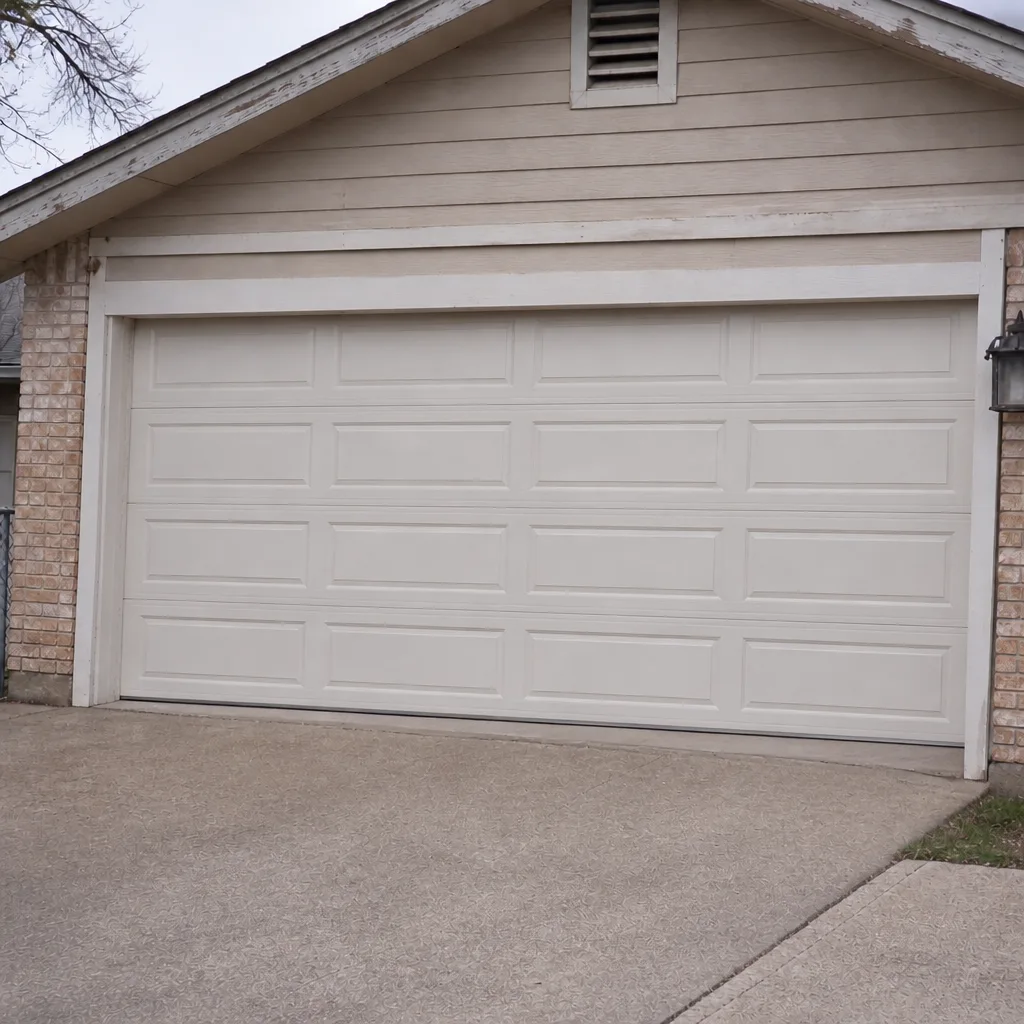
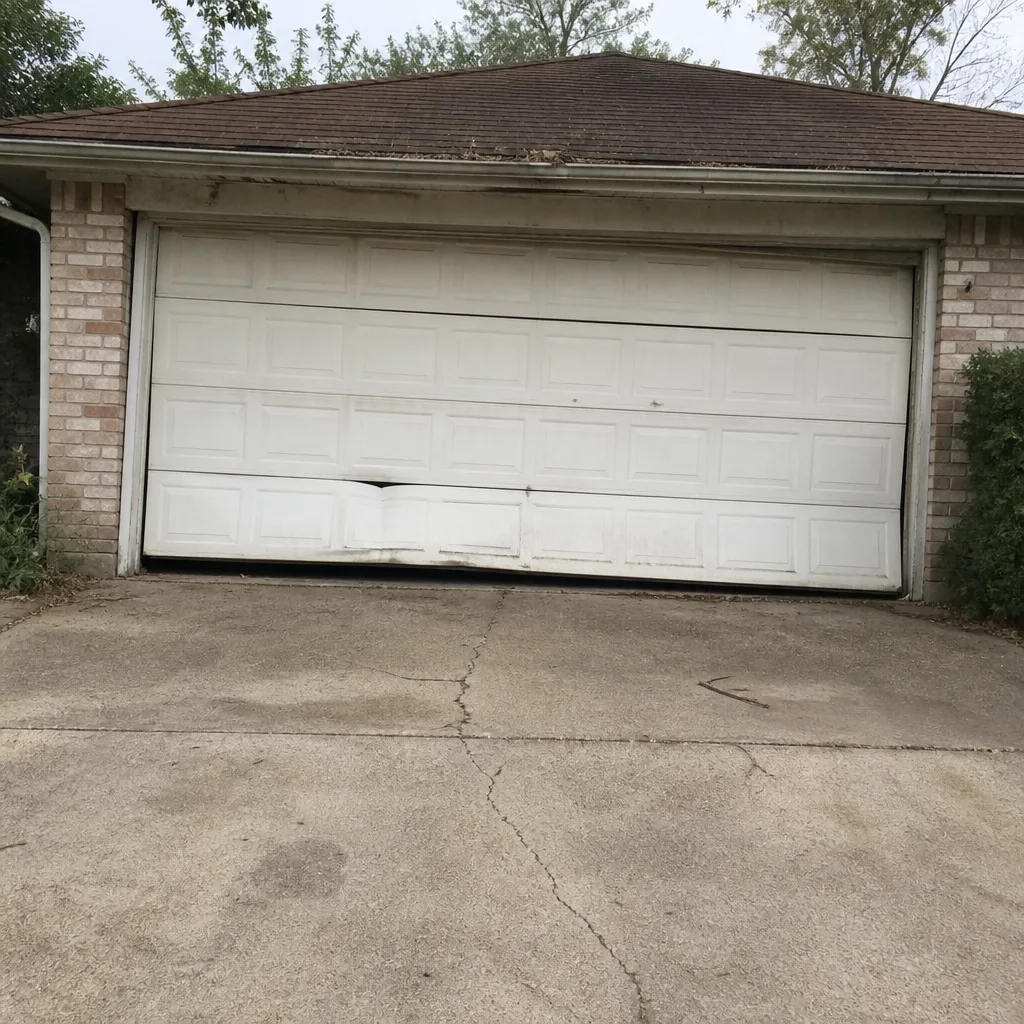
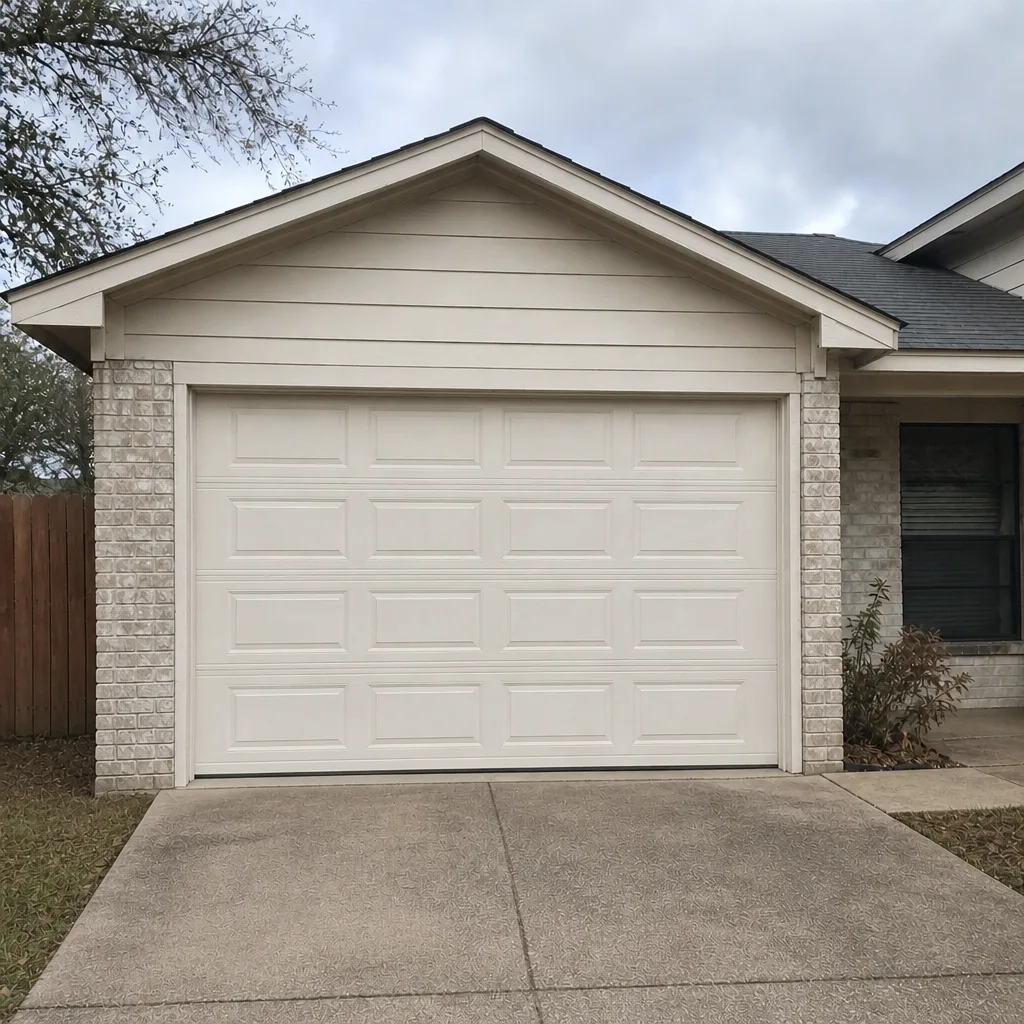
See the difference
 Before
 After
 Before
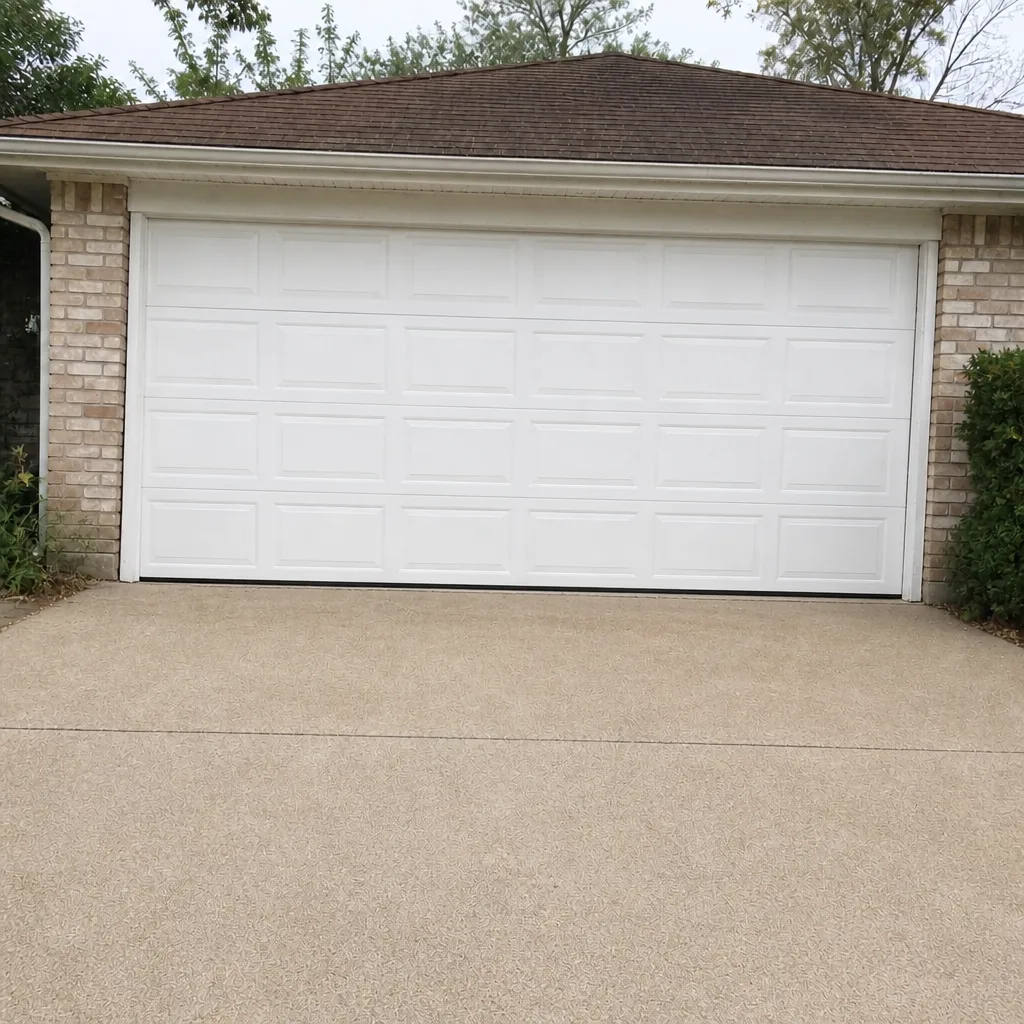 After
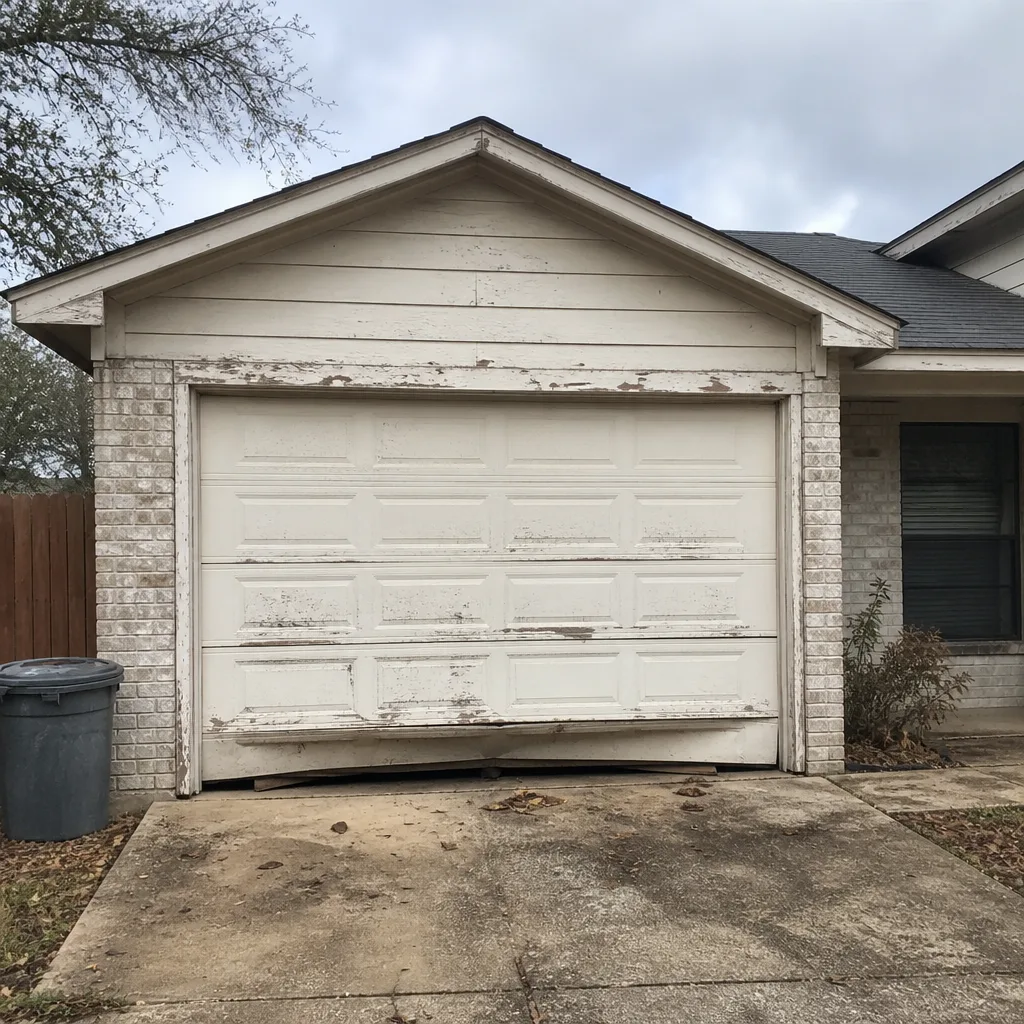 Before
 After
When to Call a Professional
Choosing the brand is one thing; getting the door installed, balanced, and paired with the right opener is a job for trained hands. The reasons to call are pretty clear: your existing door is failing and you’re choosing its replacement; you have a heavier insulated door and need the opener capacity checked; you’re in a brand with specialty parts and need to know what’s actually available; or you’re evaluating a recommendation and want an independent read. Springs, cables, and high-tension hardware under a wound spring are genuinely dangerous to handle, and the balance of a door is a safety system, not a preference. Check with the city’s building department on whether your installation requires a permit, because most do. Bluestone Garage Door Repair offers free estimates in College Station; call (888) 874-4281. We answer 24/7.
Frequently Asked Questions
There isn’t one universal best brand; the right pick depends on your wall’s exposure, whether the garage is attached and conditioned, and local parts access. Clopay, Amarr, and Wayne Dalton all make doors that perform well in sustained Texas heat when the gauge and insulation match the space. For most local homes an insulated, heavier-gauge door from a brand with regional distribution and a LiftMaster or Chamberlain opener is a strong combination. Call (888) 874-4281 for an exact quote; estimates are free.
It matters, but for a different reason. In a colder market, insulation keeps heat in; in College Station it keeps heat out of the attached garage and off your home’s AC. If your garage is attached and air-conditioned, a meaningful R-value on the door reduces heat transfer into the house. If it’s detached and uninsulated, chasing the highest R-value on the market buys you little. Match the insulation to the space. For a fit specific to your home, call us and we’ll walk through it.
Usually yes if the door faces direct afternoon sun. Heavier steel resists denting, holds a factory finish longer, and stays dimensionally stable through the expansion and contraction of a sun-baked wall. A thin-gauge door on a shaded wall can be fine, but on a west-facing wall in College Station it will look older faster. Your installer should be able to explain the gauge and why it fits your exposure.
Fit is about capacity more than logo. Any door works with any opener of sufficient capacity if it’s set up correctly, but LiftMaster and Chamberlain have the widest parts support locally, and both pair well with heavier insulated doors. Genie is common and works well too, though parts and service aren’t always available through the same channels. Have the opener’s rated capacity matched to the door’s weight, not the other way around. Call (888) 874-4281 if you want the pairing checked before you buy.
Yes, but expect some lines to need specialty parts and a different lead time than the big national brands. Legacy and less-common systems need someone who will source the correct part for your specific model rather than substitute a universal piece. We service both Wayne Dalton and Raynor, so homeowners with those systems aren’t turned away. Call us to confirm parts availability for your model before you commit to a repair.
Trust it if it’s specific. A good recommendation names the gauge, the insulation, the exposure, and where parts will come from. A weak one leans on reputation or availability. The best sign that a recommendation is genuine is an installer who works across multiple brands and can tell you what a second option would look like and why they’d pick the first. If you’d like an independent read, call (888) 874-4281 and we’ll help you sort through what you’ve been offered.
The Bottom Line
Pick the door on the factors that decide how it performs in College Station: heavier steel gauge for sun-and-storm exposure, insulation matched to whether the garage is attached and conditioned, a factory finish and coated hardware for humidity, a warranty whose parts terms you’ve actually read, parts access through regional distribution, and an opener capacity that fits the door. Brand matters, but it matters through specs, not through marketing. The last question to ask before you sign is whether the installer can service the brand they’re recommending. If you want a hand reading a recommendation or you’re ready for a free estimate, call Bluestone Garage Door Repair at (888) 874-4281. We answer 24/7. Fast dispatch from 7am to 7pm, Sunday through Friday.
Whether you’re replacing a failed door, adding insulation for a hotter summer, or double-checking an installer’s recommendation, we handle the full lifecycle: garage door repair, opener work, and new installation under one roof. Start with Bluestone Garage Door Repair to get the door and the opener chosen as a pair. Our technicians have up to 11 years of experience.
Written by the team at Bluestone Garage Door Repair.