
Last updated November 15, 2026
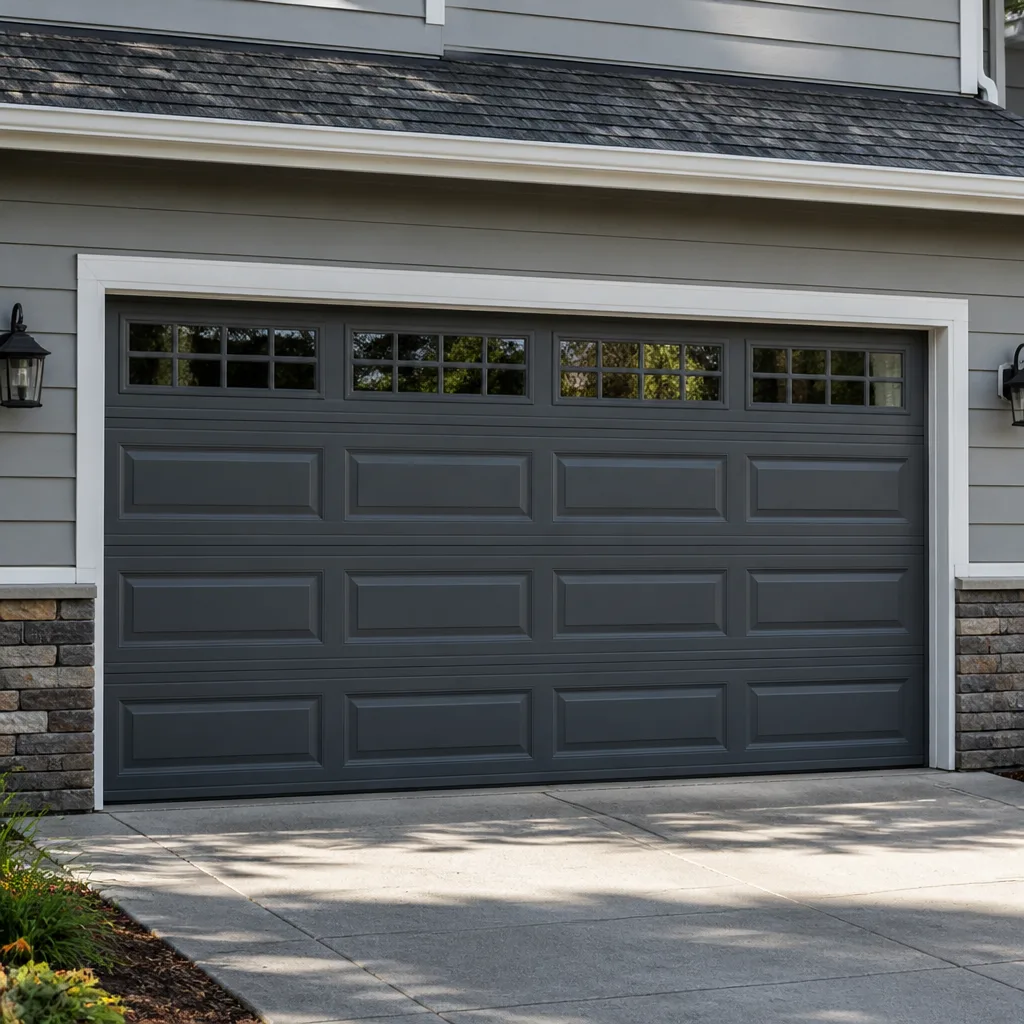 Raised-panel steel
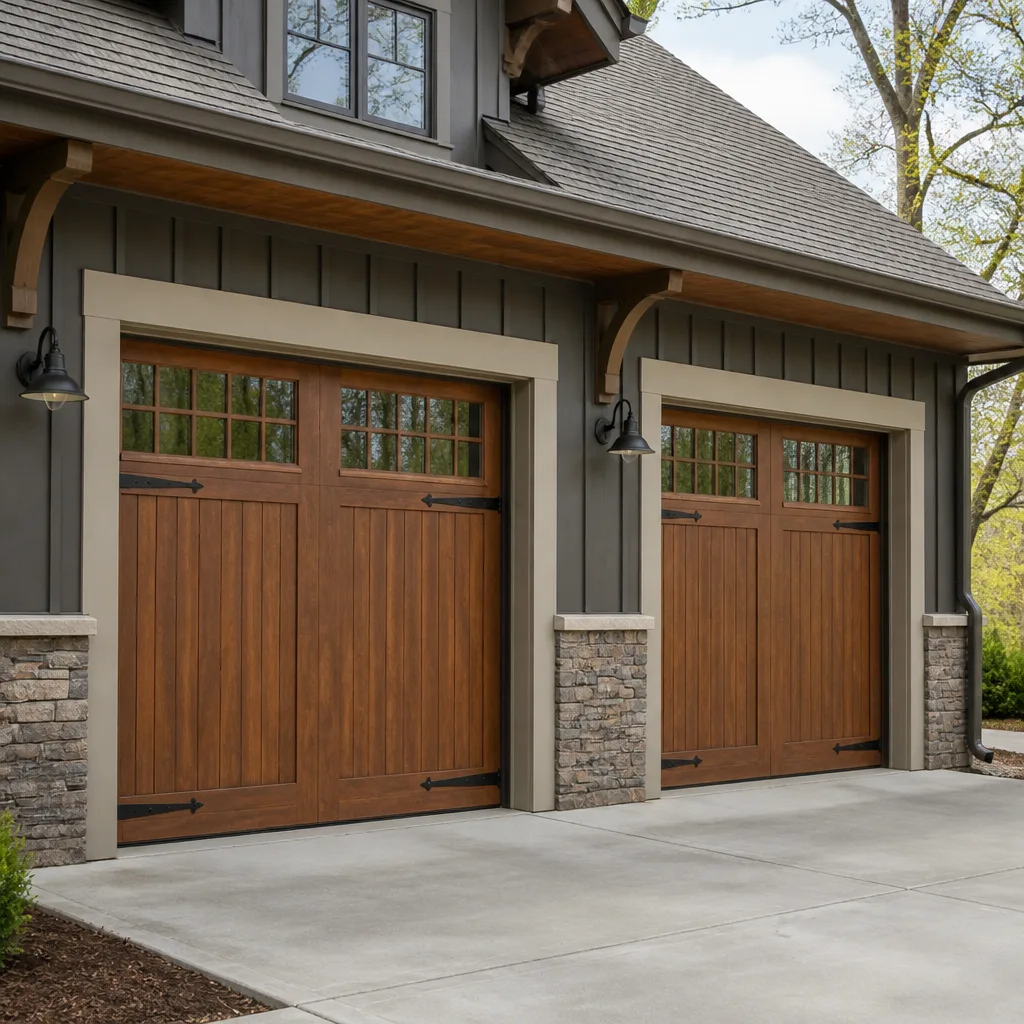 Carriage house
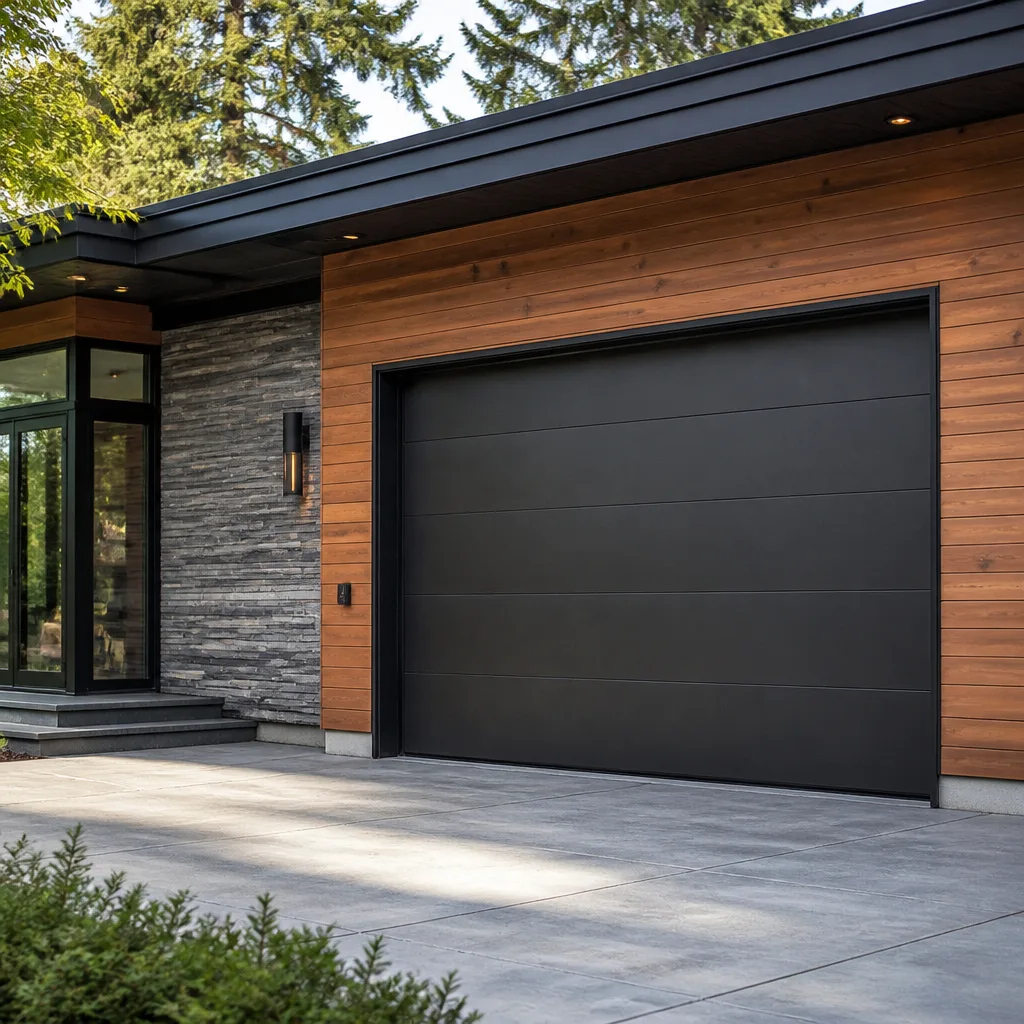 Modern flush
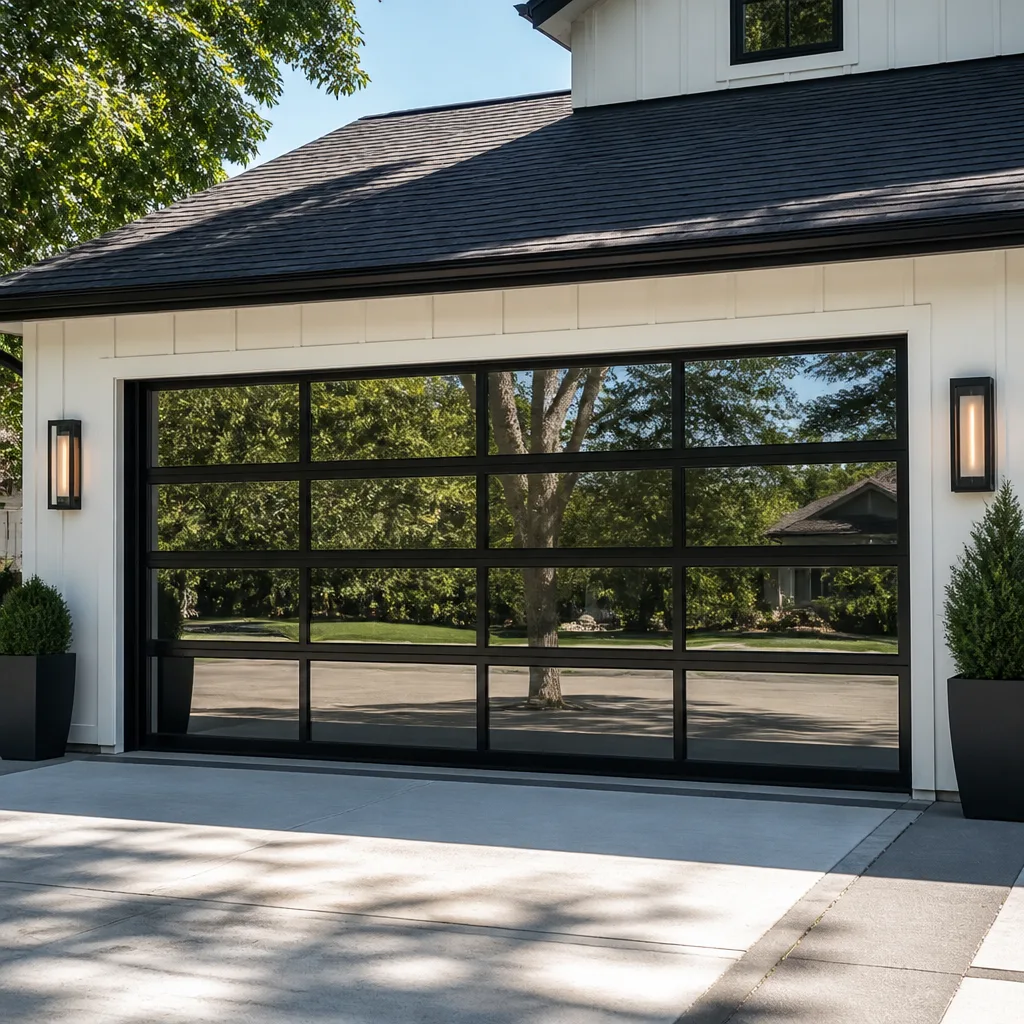 Full-view glass
 LiftMaster openers
 Chamberlain openers
Full 25-point door and opener safety check with every visit - springs, cables, rollers, tracks, and your LiftMaster or Chamberlain opener included
You get a price before we start. It does not change when the pro arrives.
Get your free estimateGarage Door Permits, Codes & Inspections in College Station, TX: What You Need to Know
Most homeowners treat a garage door replacement like swapping a refrigerator: the old one leaves, the new one arrives, and nobody calls City Hall. That’s the misconception this guide takes apart. In College Station, a garage door swap can require a permit, and the penalty for skipping one isn’t a fine you pay and forget. It can surface years later as an unpermitted improvement on a title search, and that single line on a property record has delayed closings and killed deals in Brazos County. We’re not saying every replacement needs a permit; many don’t. The point is knowing which side of that line your project falls on before the door comes down. Below we map the thresholds, the inspection checks, the HOA layers, and the timeline so you can sequence the work without surprises.
Quick Answer
A like-for-like garage door replacement in College Station usually does not require a building permit, but a replacement that changes the door’s size, header, track configuration, or wind-load rating often does, and you should confirm with the City of College Station building department before ordering. Inspections focus on structural attachment, wind-load compliance for new installations, and the safety devices on the opener. Skipping a required permit can flag the work as unpermitted during a title search, which complicates a sale.
Styles & brands we work with
- Raised-panel steel
- Carriage house
- Modern flush
- Full-view glass
- LiftMaster openers
- Chamberlain openers
Table of Contents
- Does a Garage Door Replacement Need a Permit in College Station?
- Like-for-Like Replacement vs. Structural Modification: Where the Line Sits
- How Texas IRC Adoption Affects Wind Load on New Doors
- What a Garage Door Inspection Actually Covers
- The HOA Overlay: Covenants That Add a Second Approval
- Permit Timeline in College Station and How to Sequence the Job
- The Title Problem: Why Unpermitted Work Follows the House
- Sewer and Utility Easements: The Overlooked Variable
Does a Garage Door Replacement Need a Permit in College Station?
It depends on what’s changing, not simply on the fact that a door is being replaced. A straight swap of a door panel and the same-size hardware, keeping the opening dimensions and the existing track and header untouched, is typically treated as ordinary maintenance and doesn’t trigger a permit. The moment the work touches the structure of the opening or the performance specification of the door, it moves into permit territory.
Here’s the practical split we walk homeowners through in College Station:
- Usually no permit: Same-size door, same track, same spring and opener setup, same material. The opening’s structural dimensions don’t change.
- Often needs a permit: Enlarging or reducing the opening, replacing or modifying the header beam, changing the track system, adding a second door where there was a solid wall, or switching to a door with a different wind-load rating than the one on record.
- Almost always needs a permit: Converting a garage to living space (which touches both the door and the wall), or any change that alters the load path above the opening.
Because city thresholds and interpretations change, the only reliable answer comes from the City of College Station building department for your specific address and scope. Ask them directly: “I’m replacing a garage door at this address; my new door is the same size but different material – does that require a permit?” Get the answer in writing if you can, and keep it with your project file. That piece of paper is worth more at closing than any verbal reassurance from a contractor.
Like-for-Like Replacement vs. Structural Modification: Where the Line Sits
“Like-for-like” is the phrase that decides most of these cases, and it’s fuzzier than it sounds. A like-for-like replacement keeps the opening’s dimensions, the structural framing above and beside it, and the door’s rated performance the same. If the new door is functionally interchangeable with the old one, you’re in replacement territory. If the new door asks the house to perform differently, you’ve crossed into modification.
Where homeowners get surprised is on the edges:
- Same dimensions, different wind rating. A lightweight door swapped for a heavier insulated door can load the header and springs differently. That’s a performance change, and it may trigger review.
- New opener on old track. The opener isn’t a structural component, so it doesn’t usually bring a permit into play on its own, but the reinforcement and attachment of a heavier opener can raise questions during a resale inspection.
- Window and panel changes. Adding windows to a door can change its rated capacity. If the door carries a specific wind-load rating, the manufacturer’s documentation for the new configuration is what an inspector wants to see.
- Replacing a single door with a double. That’s a header and track change. Treat it as structural work, not a swap.
If you’re unsure which category your project falls into, the safest sequence is to have the opening measured and documented before a door is ordered. We handle that measurement as part of a garage door repair assessment when a door is failing, and we always ask what a homeowner intends on the structural side before recommending a replacement. On doors that carry a specific brand’s rated spec, having the manufacturer’s documentation ready can save everyone a phone call – this is where familiarity with brands like Amarr and Wayne Dalton matters, since their spec sheets are what an inspector will reference.
How Texas IRC Adoption Affects Wind Load on New Doors
Texas cities that adopt the International Residential Code, as College Station does for many residential building provisions, inherit code language that ties new construction and significant alterations to local wind-load requirements. For a garage door, wind load is the outward and inward pressure the door must resist in high-wind events. A new door that doesn’t meet the rating for its zone is a code issue, not just a comfort one.
What that means for a homeowner planning a replacement:
- Documentation matters. The door’s rated wind-load performance should match what the city’s design criteria call for at your location. Manufacturer spec sheets carry that number.
- Reinforcement is part of the system. Some doors require specific struts or reinforcement kits to reach their rated performance. Substituting lighter hardware undermines the rating.
- An inspector wants to see the match. If the door is rated but the mounting or reinforcement doesn’t match the manufacturer’s instructions, that’s a common fail point.
None of this is a reason to avoid a needed replacement – it’s a reason to buy a door whose rating is documented and to keep the paperwork. If your existing opener is on its last legs, the code questions around a new door are a good moment to plan that work too. Our garage door opener repair team can look at the motor and logic board alongside the door itself so the whole system is coherent, not piecemeal.
What a Garage Door Inspection Actually Covers
When a garage door inspection happens as part of a permitted project or a real estate transaction, the inspector isn’t there to grade your door’s aesthetics. The focus is on safety devices, structural attachment, and documented compliance. Here’s what gets checked and what commonly fails.
The safety devices:
- Photo-eye sensors. The door must reverse if the beam is interrupted. Misalignment, dirty lenses, or sensors mounted on an unstable bracket fail this consistently.
- Force reversal. The opener must reverse on contact with an obstruction within the required force limit. Old openers with worn gears often fail this without an obvious symptom to the homeowner.
- Manual release. The emergency release must work and be reachable. A release that’s jammed or requires excessive force is a fail.
The structure and hardware:
- Track and bracket attachment. Loose lags, missing anchors, or brackets pulling out of the framing show up on inspection.
- Spring balance. The door should stay at the half-open position. A door that drops fails balance, and unbalanced doors strain the opener and the springs.
- Panel condition. Cracked panels, missing hinges, and corroded rollers get flagged as safety concerns because they affect how the door travels.
The documentation:
- Wind-load rating and installation instructions. The inspector may compare the installed door against the manufacturer’s spec sheet.
- Open-loop vs. modern opener requirements. A pre-1993 opener without modern safety features is a frequent call-out. If your opener dates to that era and you’re doing any work on the door, plan to replace it.
A word of caution on the mechanical side: garage door springs and cables store enormous energy, and the tension is not a DIY project. The torsion spring on a standard door is one of the most dangerous components in a house to handle without training. The same is true of the electrical panel and wiring if an opener or its circuit needs attention. That’s not an area where a homeowner should be troubleshooting; a trained technician with the right tooling should handle it. If a door isn’t balancing correctly or the opener is misbehaving, it’s safer to book a diagnostic than to start disconnecting things. Our team at Bluestone Garage Door Repair has up to 11 years of experience across those components, and we won’t hand you a step-by-step guide to a job that can hurt you.
The HOA Overlay: Covenants That Add a Second Approval
College Station has a significant share of homeowner association-controlled neighborhoods, and an HOA adds a layer of approval on top of city permits. The city doesn’t care what your door looks like. Your HOA very much does, and its architectural review committee is a separate authority with its own timeline.
Where HOAs in the area commonly insert themselves:
- Door style and color. Carriage-house vs. raised-panel, permitted color palettes, and matching the other properties are frequent requirements.
- Material. Steel vs. wood vs. composite can be specified in the covenants, and substitutions often need written approval.
- Window configuration. Even whether the door has windows, and how many, can be governed.
- Fencing and visual screening. In some communities the door faces the street and the appearance matters more than in a rear-alley setup.
The sequencing trap here is real: many homeowners get a contractor’s quote, sign a contract, and then discover the HOA wants an architectural request form and a meeting. That process can take weeks. The HOA approval should run in parallel with the city permit, not after it. Before you place an order for a Raynor or Craftsman door, get the HOA’s written approval – and keep a copy with the permit file.
Permit Timeline in College Station and How to Sequence the Job
A well-sequenced job keeps your door working for as long as possible and avoids a situation where the opening is stuck open while paperwork clears. Here’s the sequence we walk homeowners through:
- Measure and document the existing door and opening. Photograph the track, header, brackets, springs, and opener. Note the door’s make and model if it’s visible on the panel or label.
- Confirm the HOA requirements. Pull the covenants, check architectural rules, and ask what documentation the review committee needs. Do this early; it’s the longest lead time in many cases.
- Call the City of College Station building department. Describe your specific scope and ask whether a permit is required. Get the answer in writing if possible.
- If a permit applies, submit the application with the door’s spec sheet and a simple site plan. Include the wind-load documentation and the existing conditions.
- Order the door once permit and HOA approval are in hand. Ordered doors can take time to arrive and are not a place to cut the schedule short.
- Schedule the install and the inspection. Don’t let the install slip past the permit’s inspection window; keeping the inspection and the install close together avoids loose ends.
- File the final inspection. A closed permit with a passed inspection is the paper that protects your home at resale.
Because city timelines shift, we won’t quote you a firm number of days – the building department will. The part we can tell you is that the door waiting on paperwork is a much better position than a door installed before paperwork. If the existing door is failing, plan around the replacement. Installing a door before a permit clears is never worth the resale headache.
The Title Problem: Why Unpermitted Work Follows the House
An unpermitted garage door installation doesn’t disappear when the door is installed. It lives on the property’s record – or as a gap in the record – and the gap surfaces when a buyer’s title search is run. Title companies flag unpermitted improvements, and lenders often require them resolved before a mortgage can close. The result is a negotiation: the seller pays for retroactive permitting, or the buyer walks, or the deal gets delayed by weeks.
This is one of the few places where a small oversight has long-term consequences out of proportion to the actual dollar value of the work. The garage door itself might be perfectly installed and safe, and it still reads as a problem on a title search because the paperwork is missing. The correction process in Brazos County involves a retroactive permit, an inspection, and, if any part of the installation doesn’t meet current standards, corrective work. Every one of those steps is work you didn’t have to do.
The fix is straightforward: get the permit if the scope requires it, keep the inspection results, and hold onto the HOA approval. If you’re planning a sale in the next couple of years and any garage door work happened before you owned the home, a quick records check is worth the phone call. This is exactly the kind of sequencing we help College Station homeowners plan when a full replacement is on the table through College Station service planning. Our technicians have up to 11 years of experience and can tell you what documentation a given door installation will likely need.
Sewer and Utility Easements: The Overlooked Variable
A structural change to a garage – adding a door, extending the footprint, converting the space – can bring easements and utility setbacks into the picture. If your garage sits over a sewer or utility easement, the city’s review of a structural change becomes more involved. Replacements that stay within the existing footprint rarely trigger this. Extensions and conversions almost always do.
If you’re planning anything beyond a like-for-like swap, ask the building department up front whether your lot has easements that affect the garage’s position, and whether the work falls inside a setback. It’s a five-minute conversation that can save months. If the answer is unclear, the safest path is to proceed with the door replacement first and the structural scope later, once the easement question is resolved. A full replacement handled cleanly is a much better outcome than an ambitious project that stalls on paperwork.
Common Mistakes to Avoid
- Assuming the contractor will pull the permit. Some will, some won’t, and some will tell you one isn’t needed because they’d rather not do the paperwork. Confirm in writing who is pulling the permit and who holds it at inspection.
- Ordering the door before the HOA and city have approved. A special-order door that arrives while the paperwork is stalled sits in a warehouse while your opening stays closed – or worse, sits open in a College Station thunderstorm.
- Treating like-for-like as “same size.” Same dimensions with a different wind rating or material is a performance change, not a replacement. Ask specifically about the door’s rated capacity.
- Skipping the photo-eye and force-reversal test. These are the most common inspection failures, and they’re also the most common causes of a genuine safety incident. If a door won’t reverse on contact, stop using it.
- Losing the HOA and permit paperwork. Keep it with the property file, not in a contractor’s truck. It’s the documentation a future buyer and their title company will want.
- Handling springs or opener electrical work yourself. The torsion spring under tension and the opener’s circuit are the two parts of this system that can put you in the hospital. No homeowner should be doing either one.
- Assuming the opener is exempt from every question. The opener itself rarely triggers a permit, but a pre-1993 unit without safety features is a resale and inspection issue. If you’re replacing the door, plan the opener alongside it.
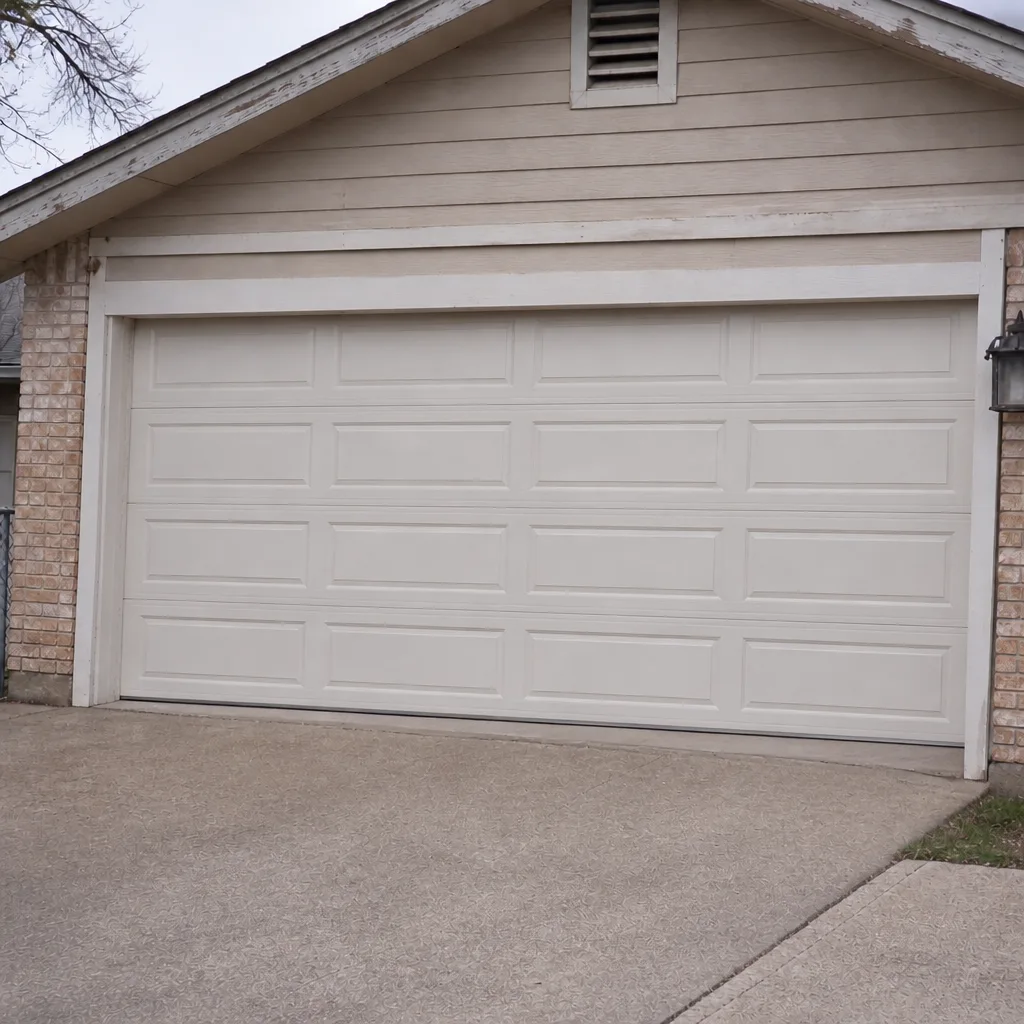
See the difference
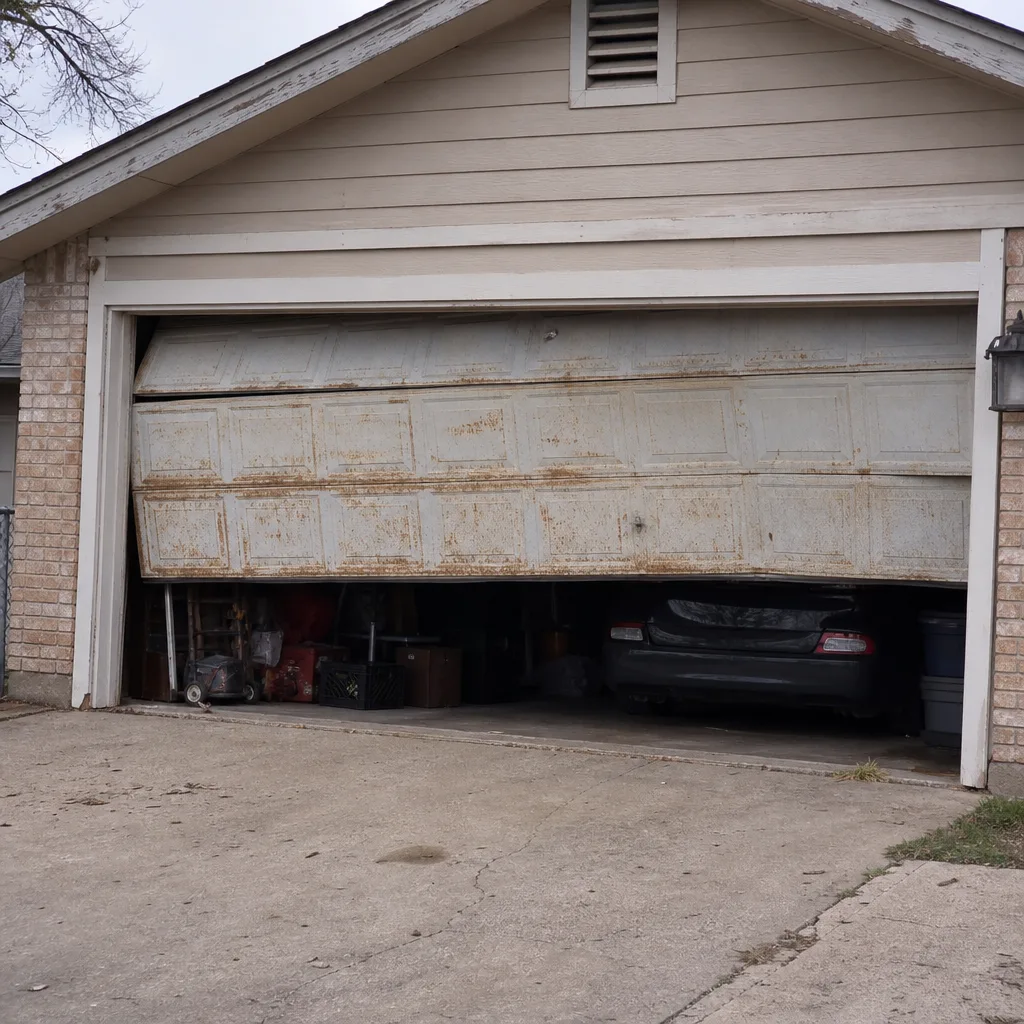 Before
 After
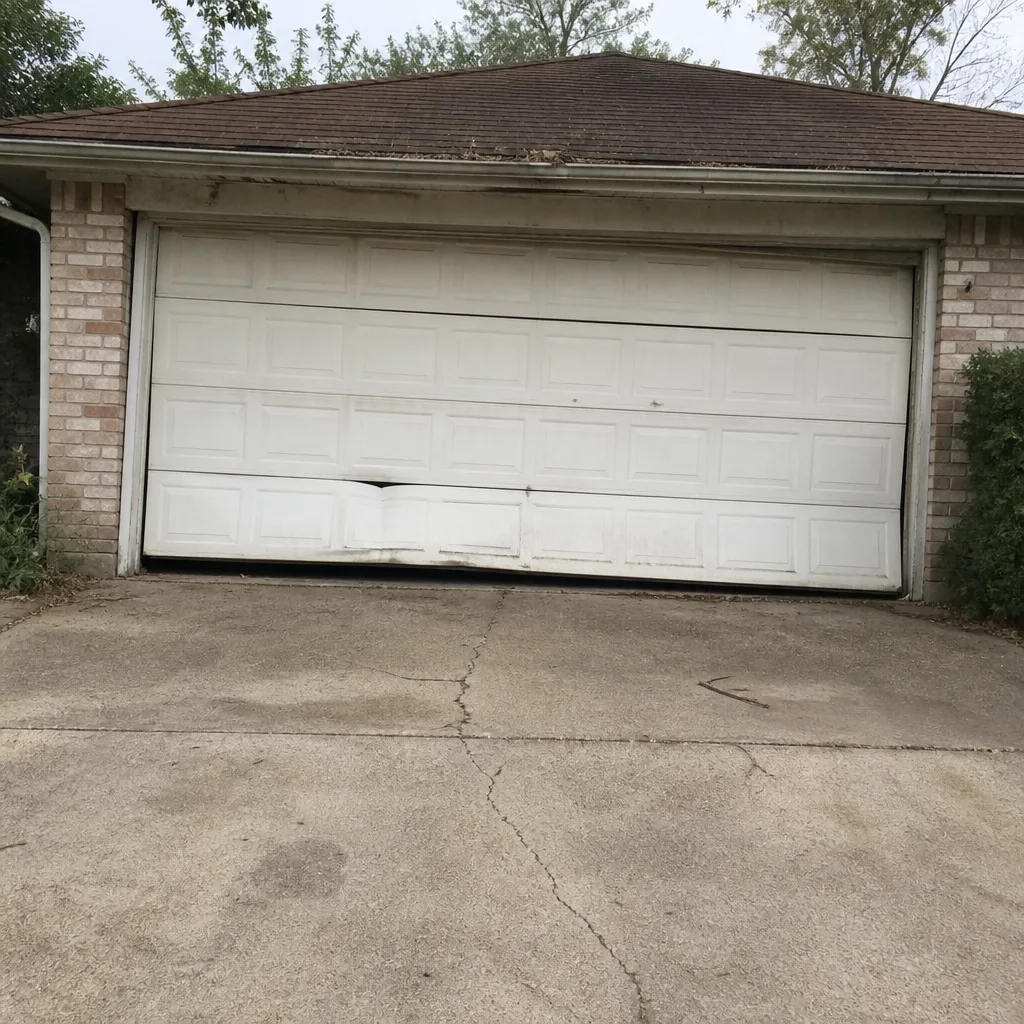 Before
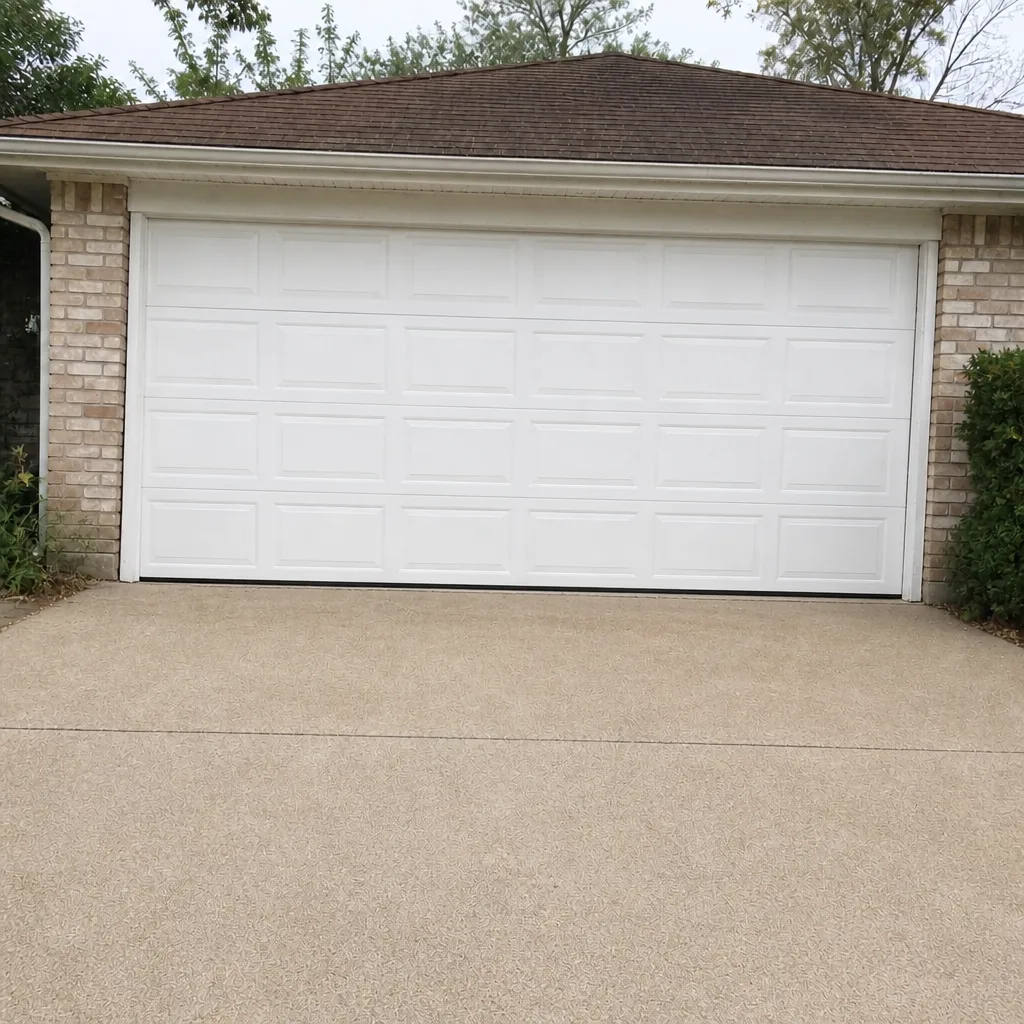 After
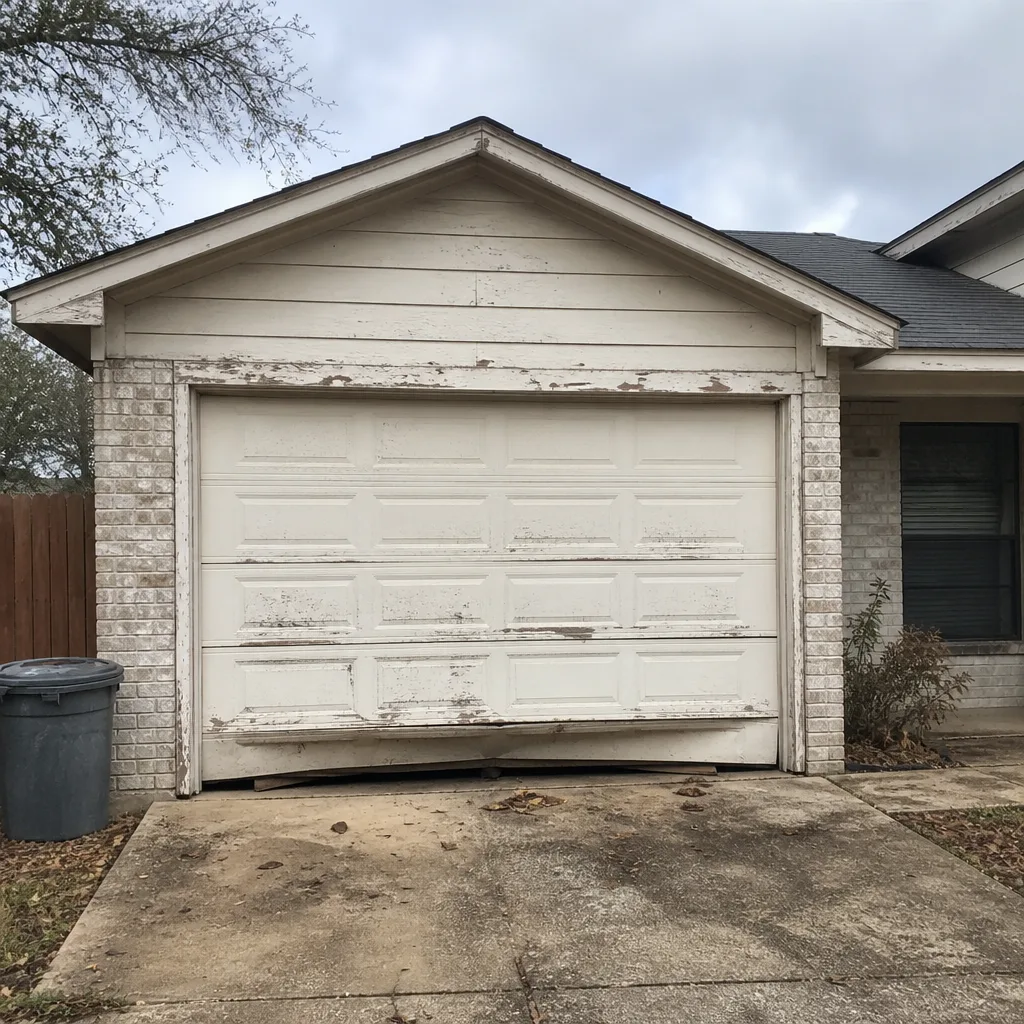 Before
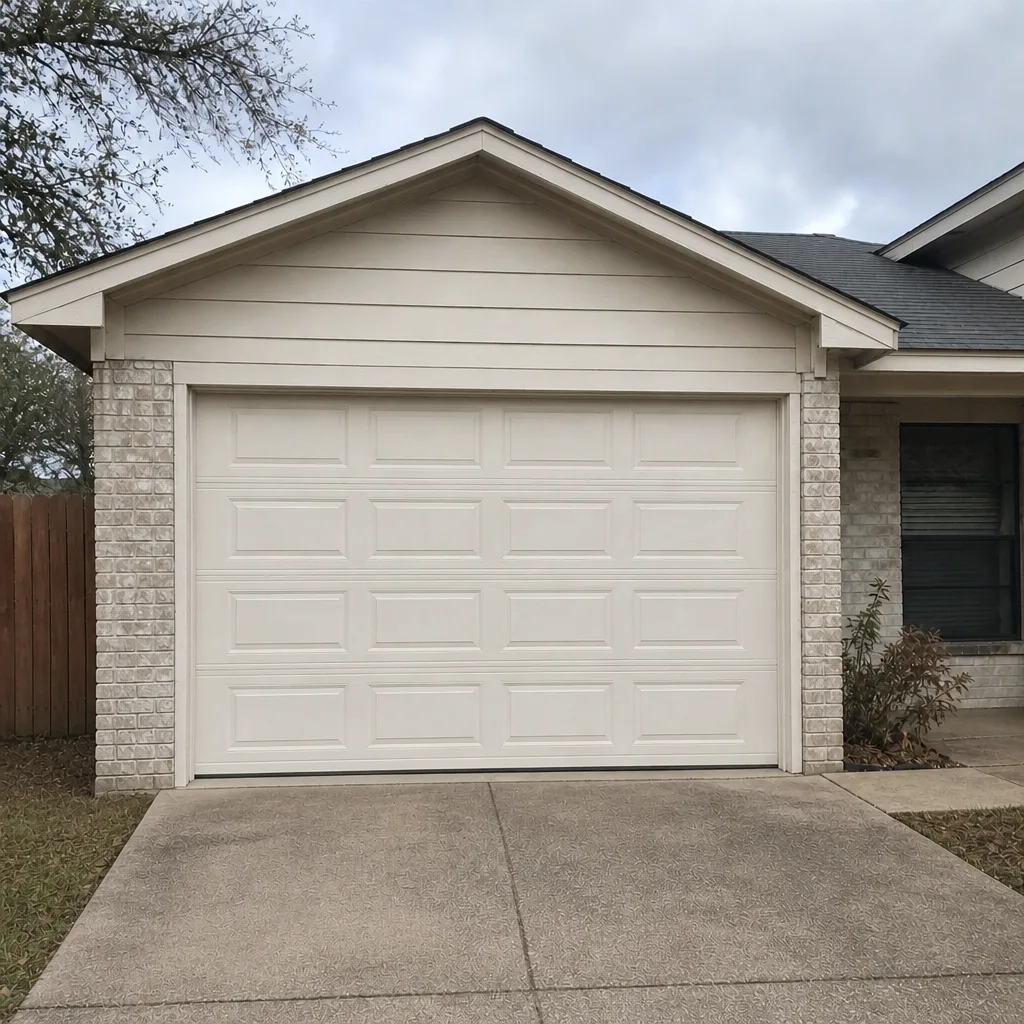 After
When to Call a Professional
Call a professional in College Station when the door won’t balance, the opener won’t reverse on contact, a spring has broken, or a panel or track is damaged. Call before you replace anything if the scope of the work touches the opening’s dimensions or the door’s rated performance – those projects need a planned sequence, not a same-day swap. Call before you sign a contract if you don’t know whether a permit applies; we walk homeowners through the documentation side every week, and we’d rather you know the answer before a door is ordered. Bluestone Garage Door Repair offers free estimates in College Station – call (888) 874-4281. We answer 24/7. Fast dispatch from 7am to 7pm, Sunday through Friday.
Frequently Asked Questions
A like-for-like replacement in College Station typically doesn’t need a permit, but a change to the opening size, header, track system, or wind-load rating often does. Confirm your specific scope with the City of College Station building department before ordering a door. If a permit applies and you skip it, the work can show up as an unpermitted improvement at resale. Call (888) 874-4281 for a free estimate – we’ll help you work out what the job will need. We answer 24/7.
Timelines vary with the building department’s current workload and the completeness of your application, so we don’t quote a firm number of days – ask the city directly when you submit. The most common cause of delay is an incomplete submission, usually missing the door’s spec sheet or wind-load documentation. Getting the HOA approval and the permit application running in parallel is the best way to keep the job on schedule. Call (888) 874-4281 for help planning the sequence.
A garage door inspection checks the safety devices, structural attachment, and compliance documentation. The photo-eye sensors must stop and reverse the door, the opener must reverse on contact with an obstruction, the manual release must work, and the door must balance at the half-open position. Loose brackets, missing anchors, cracked panels, and opener age are common fail points. If your door fails a check, don’t run it – call (888) 874-4281 for a diagnostic. We answer 24/7.
Yes, an unpermitted improvement can delay or derail a sale. Title companies flag work that shows a permit gap, and lenders often require it resolved before closing. The fix is a retroactive permit, inspection, and any corrective work the inspector calls out, which typically means more time and money than pulling the permit the first time. If your garage door work predates your ownership, call (888) 874-4281 and we can help you think through the documentation side.
In many College Station neighborhoods with HOAs, yes. Architectural review committees often govern door style, color, material, window configuration, and in some cases the exact model. The HOA approval is separate from any city permit, and it’s usually the longest lead time in the project, so start there. Get it in writing before you order a door. Call (888) 874-4281 if you want us to review the door’s specs against what your HOA is asking for.
Yes. A door with a different rated capacity than the original changes what the opening can resist in a high-wind event, and that can trigger a permit or an inspection issue. The new door’s spec sheet needs to match the design criteria for your location, and the reinforcement kit has to match what the manufacturer specifies. If you’re unsure, order the documentation first – call (888) 874-4281 for a free estimate and we’ll help you line up the specs.
The Bottom Line
Garage door work in College Station splits into two tracks. A like-for-like replacement is generally a maintenance job with no permit, and a change that touches the structure or the door’s rated performance usually needs one. The cost of getting the second track right is a phone call and a paperwork file; the cost of getting it wrong is a title problem that follows the house. Check with the city before you order, get the HOA approval running early, keep every document, and never handle springs or opener circuits yourself. A door replacement that closes cleanly and stays closed on paper is the goal. If you’d like help sequencing any part of the project, call (888) 874-4281 for a free estimate. We answer 24/7. Fast dispatch from 7am to 7pm, Sunday through Friday.
Planning a replacement or a repair? Start with Bluestone Garage Door Repair for a free estimate and a straightforward read on what your door and paperwork will need.
Written by the team at Bluestone Garage Door Repair.