
Last updated November 15, 2026
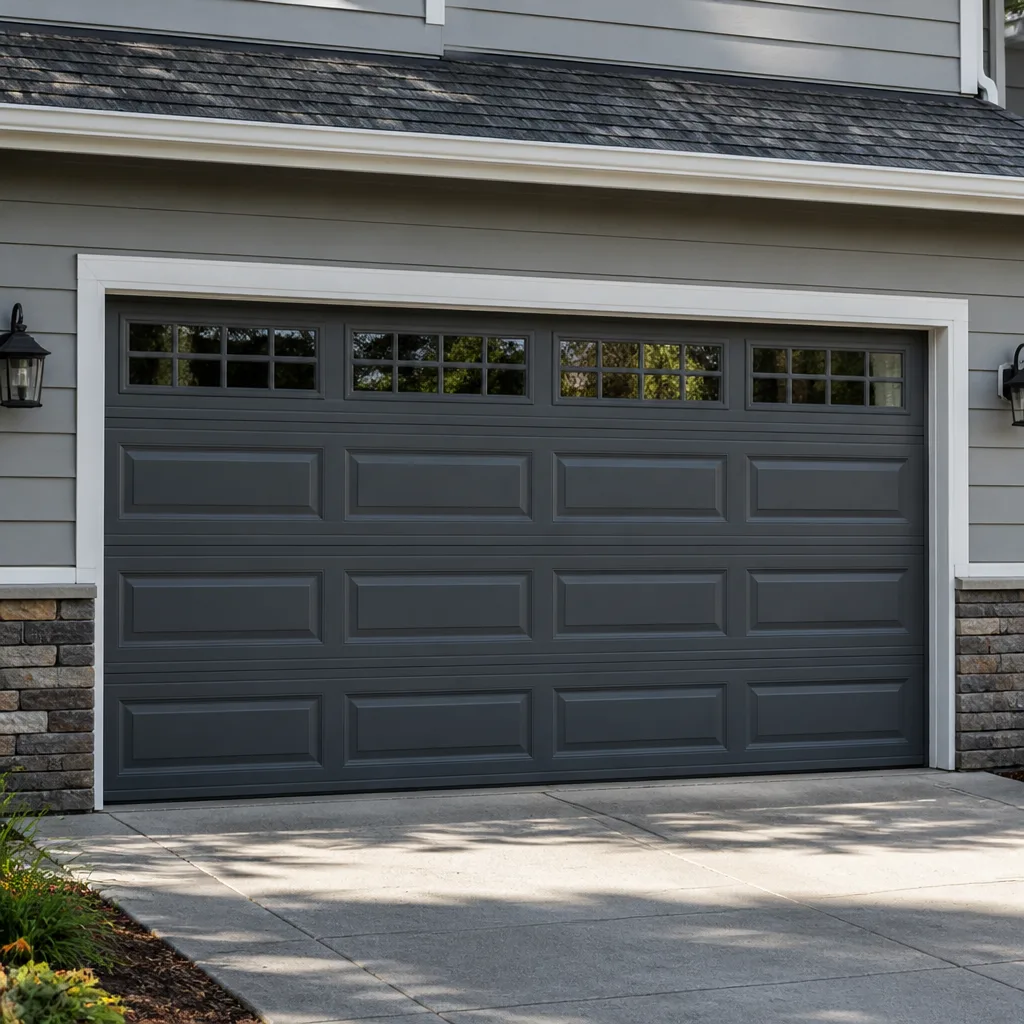 Raised-panel steel
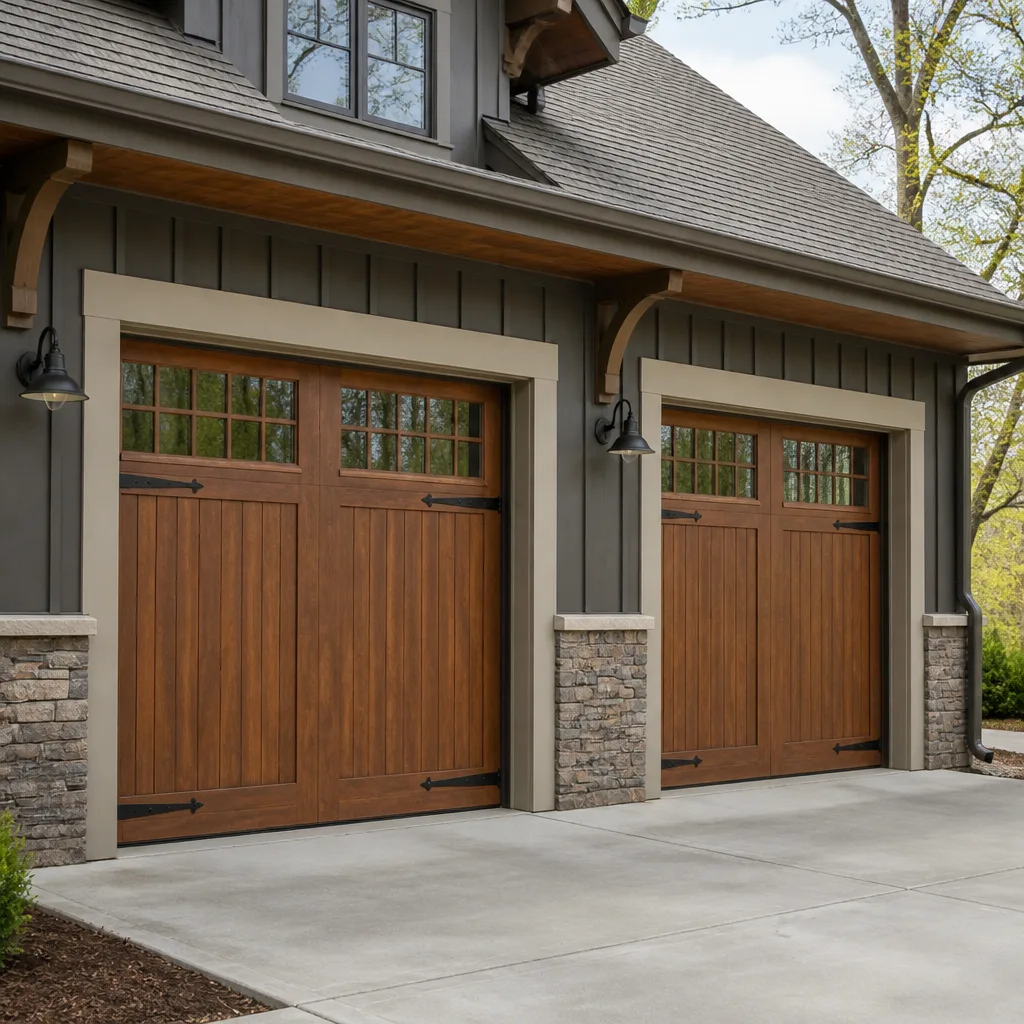 Carriage house
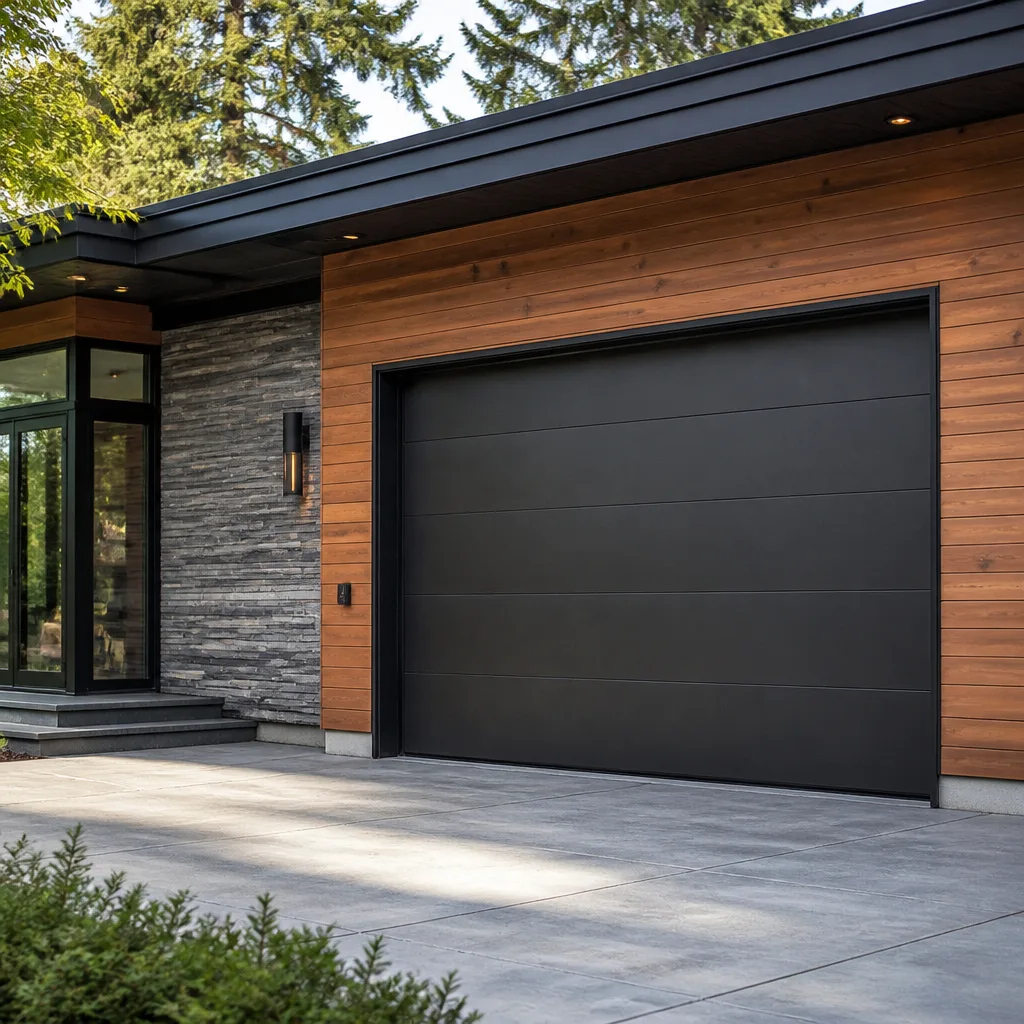 Modern flush
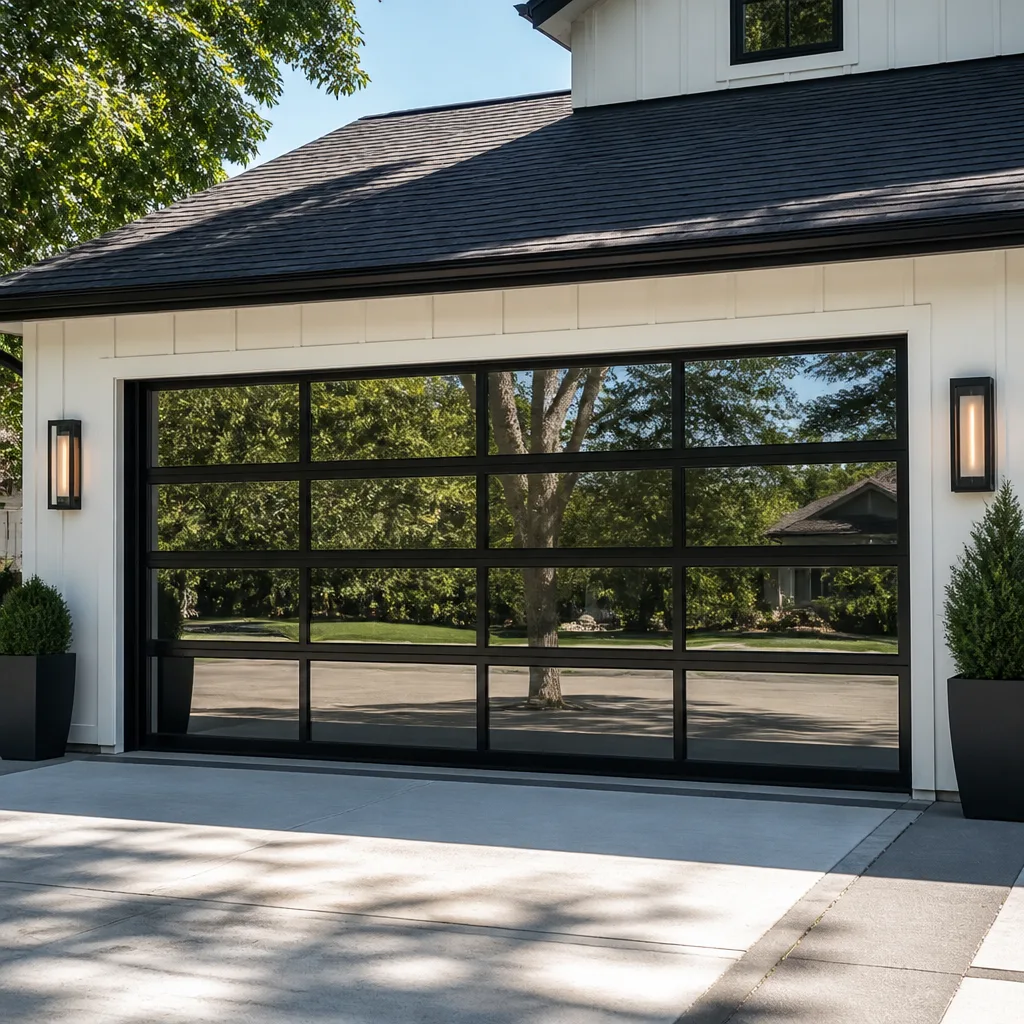 Full-view glass
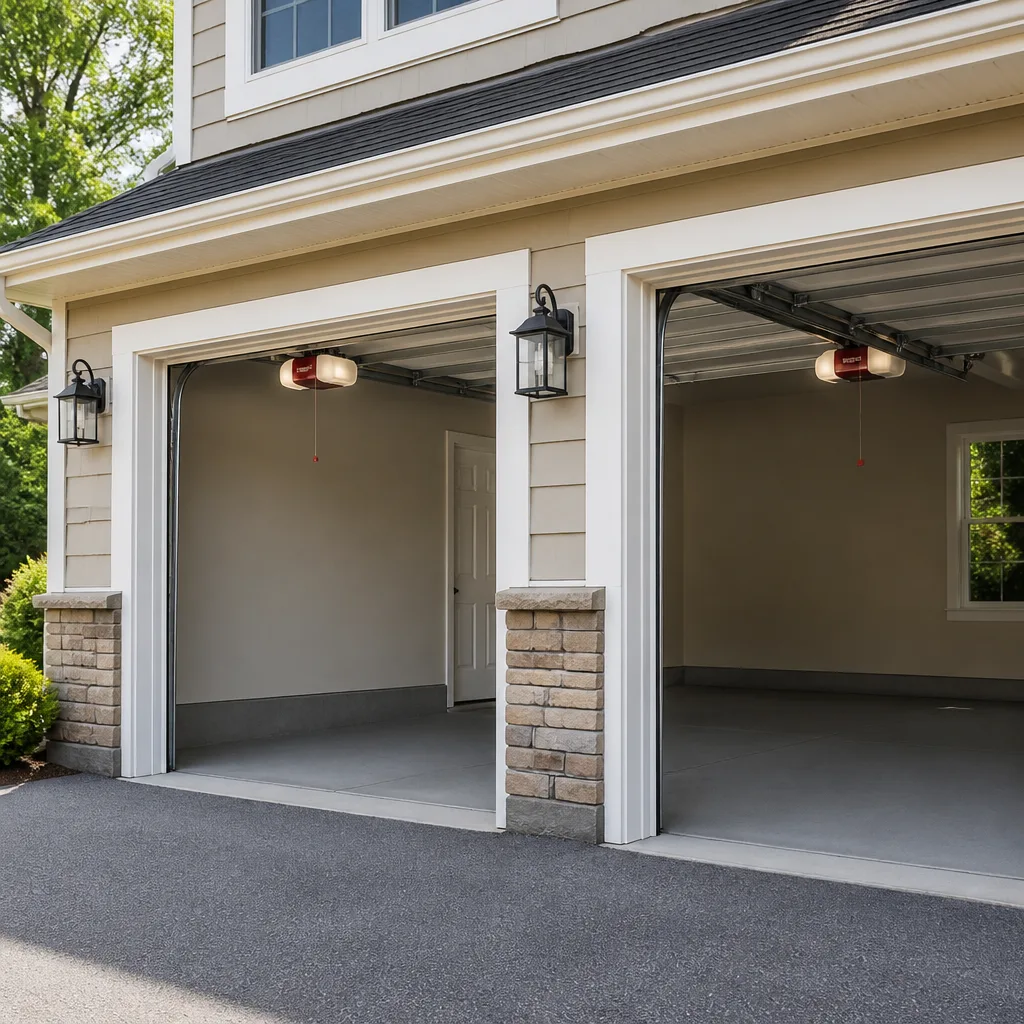 LiftMaster openers
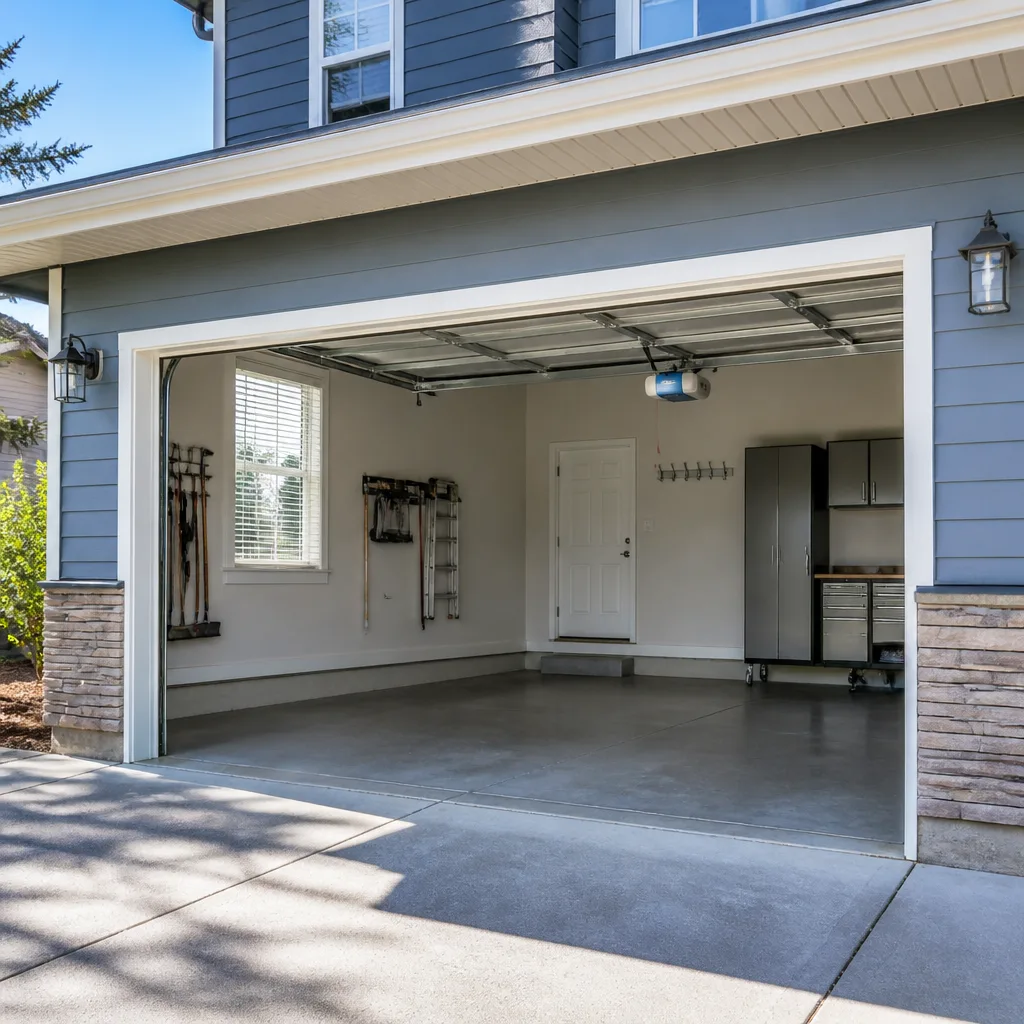 Chamberlain openers
Full 25-point door and opener safety check with every visit - springs, cables, rollers, tracks, and your LiftMaster or Chamberlain opener included
You get a price before we start. It does not change when the pro arrives.
Get your free estimateGarage Door Repair Maintenance Checklist for College Station Homeowners
Most garage door maintenance checklists are written for a generic house in a mild climate. That advice doesn’t fit College Station. If you lubricate your tracks once a year out of habit, or follow a “replace the weather seal every two years” rule you found online, you’ll likely do more harm than good in our heat and humidity. Metal expands differently here, the wrong lubricant turns sticky in the summer air, and seals bake faster than the standard timeline admits. This guide reorders the usual checklist around what actually breaks in College Station homes, what to check and when, and how to tell a minor fix from a call worth making.
Quick Answer
Your garage door needs a short visual check every month, a lubrication and balance check every three months, and a full hardware and opener safety test once a year. In College Station, heat drives the schedule more than cold does, so summer is the season that wears parts hardest. Check the auto-reverse feature monthly, inspect springs and cables for wear quarterly, and renew weather seals before they crack rather than after.
Styles & brands we work with
- Raised-panel steel
- Carriage house
- Modern flush
- Full-view glass
- LiftMaster openers
- Chamberlain openers
Table of Contents
- Why College Station’s Climate Writes Its Own Checklist
- The Monthly Two-Minute Safety Check
- How to Lubricate Your Door for Texas Heat and Humidity
- When Weather Seals Really Need Replacing Here
- Spring and Cable Inspection: What to Look For, Not Touch
- Opener Sensitivity and Auto-Reverse Testing
- Matching Maintenance to Your Door and Opener Brand
- Documenting Your Door So a Technician Can Triage by Phone
Why College Station’s Climate Writes Its Own Checklist
The single biggest factor in garage door wear around College Station isn’t age or brand. It’s the stretch of summer heat and the humidity that comes with it. When temperatures hold above 95°F for weeks, steel tracks and springs expand and contract through a wider range than they would in a cooler climate, and rubber seals lose their flexibility faster. Humidity adds a second layer: the wrong lubricant doesn’t just thin out in the heat, it holds dust and grit, and grit on a moving metal surface wears it down faster than dry running would.
That’s why we tell homeowners to think about timing differently than a national checklist might. In a cold climate, the annual service happens before winter as a protective move. Here, the calendar flips. The months when your door is under the most stress are the late spring through early fall, so a maintenance pass in early summer prepares the door for the hardest stretch rather than recovering from it.
College Station’s housing mix matters too. A lot of tract-built homes, especially in newer subdivisions on the south and west sides of town, went in with the same builder-grade hardware. The doors in large new-build neighborhoods like those near Eagle Point and Barron Road see identical wear patterns, and the fail points tend to show up around the same age. That’s useful to know when you’re comparing notes with neighbors or planning a service call.
None of this means your door needs constant attention. It means the checkpoints should reflect what’s actually stressing the parts, and heat stress shows up in three places: seals, lubricant, and spring tension.
The Monthly Two-Minute Safety Check
A quick visual pass once a month catches most trouble before it turns into a repair bill. You don’t need tools. You need to look, listen, and operate the door while watching it. Do this while the door is fully open so you’re observing from a safe distance and never standing under a moving door.
- Watch the door travel. Run it through a full open and close. It should move smoothly, without hesitation, jerking, or stalling partway.
- Listen closely. A grinding, scraping, or rattling sound points to worn rollers, a loose track, or dry hinges.
- Check for balance. Disconnect the opener (the red release handle or cord), lift the door halfway by hand, and let go. A balanced door stays roughly where you leave it. A door that drops or rises on its own is out of balance.
- Look at the seals. Glance at the bottom seal and the side jambs for cracks, gaps, or daylight showing through.
- Test the safety reverse. Put a roll of paper towels or a 2×4 block in the door’s path and close it. The door should reverse on contact. We’ll cover the full procedure later.
- Scan the hardware. From a safe distance, look for bent hinges, loose bolts, or anything hanging unevenly.
If something in that two-minute routine bothers you, note it. Small issues that get logged early are the ones a technician can address on the first visit. Issues that go unnoticed tend to compound: a worn roller grinds the track, the track wears the door’s edge, and what was a simple roller swap becomes a track replacement.
How to Lubricate Your Door for Texas Heat and Humidity
Lubrication is where the generic advice goes wrong fastest in College Station. A standard annual lube job isn’t enough here, and the wrong product is worse than none. In heat above 95°F, light oils burn off and leave a sticky residue, and that residue grabs the dust and grit that’s always in the air around a working garage. Once a lubricant turns gummy in high humidity, it acts more like a grinding paste than a lubricant.
What holds up well in our climate is a garage-door-specific lubricant that stays in place at high temperatures, usually a silicone or lithium-based spray designed for the application. What doesn’t hold up is anything thin and runny, or anything labeled “heavy-duty” without a temperature range on the can. If a product doesn’t say it’s made for garage doors or fails to note heat tolerance, leave it on the shelf.
Here’s the practical schedule we recommend for College Station doors:
- Rollers and hinges: every three months in the warm season, since these move constantly and collect grit.
- Bearings and torsion spring ends: once a year, applied by a technician or with extreme care, since these areas are near spring tension.
- Tracks: wiped clean, not greased. Most homeowners over-lubricate tracks. They should be clean and dry-ish, not slick, because a greased track collects dirt and the rollers just skid.
One important caution: never spray lubricant on the springs themselves. Torsion and extension springs carry the door’s full weight under extreme tension, and the wrong handling around them is dangerous. Lubricate the moving parts near them and leave the springs to a trained technician.
When Weather Seals Really Need Replacing Here
The “replace your weather seal every two years” rule undershoots in College Station. Direct Texas sun breaks down rubber seals faster than the timeline most national guides assume. For a door facing south or west, the sun can push the actual useful life of a standard bottom seal well below that two-year mark. A seal that’s stiffening, cracking along its edge, or pulling away from the door is past its usefulness even if it’s younger than the rule of thumb.
Why does it matter beyond keeping rain out? A degraded seal lets in more than water. It lets in heat and humidity, which raises the load on anything cooler inside, and it lets in insects and dust that find their way into the garage. In our market, the seal is a genuinely functional part, not a cosmetic strip.
Signs it’s time to replace the bottom seal:
- Visible cracks or a flattened, compressed profile where the door meets the floor
- Daylight showing under the closed door when you look from inside
- The seal doesn’t make even contact with the floor across its whole width
- Water creeping in during heavy rain
Side jamb seals and the seal at the top of the door wear at their own pace and should be checked on the same pass. If you’re replacing one seal, it’s a fair moment to look at the others. Note that a door facing west in full afternoon sun is the one to inspect most often, since it sees the most direct heat.
Spring and Cable Inspection: What to Look For, Not Touch
Springs and cables are the parts of your door you should inspect with your eyes, never your hands. Torsion springs, which mount horizontally above the door, and extension springs, which run along the sides in older and some tract-built door setups, carry the full weight of the door under extreme tension. Adjusting or lubricating them by hand is dangerous, and a spring under tension can fail violently. We flag this clearly because a maintenance checklist that encourages homeowners to “check the springs” without that caveat is a hazard.
What you can safely do from a distance:
- Look for visible gaps or breaks in the spring coils.
- Check that the cables look taut and evenly seated on their drums, without fraying or slack.
- Watch for a door that’s become noticeably heavier to lift by hand, a sign the spring tension has faded.
- Note whether the door slides off to one side or looks lopsided, which can indicate uneven tension.
Torsion springs are standard on most newer College Station homes and are typically adjusted or replaced as a matched pair. Extension springs appear on plenty of older doors and wear a little differently, with more visible stretch over time. In either case, when a spring shows wear, the fix is a job for someone who does it regularly, with the right tools and the door locked out safely first.
An unbalanced or heavy-feeling door isn’t just an inconvenience to lift. It puts extra strain on the opener, which eventually shows up as opener failure several months down the line. If you notice a door that’s gotten harder to lift, that’s the moment to have it looked at before the opener pays the price too. If you decide to pursue garage door repair, the diagnosis includes the spring tension as a matter of course.
Opener Sensitivity and Auto-Reverse Testing
Testing your opener’s auto-reverse isn’t optional maintenance. It’s a safety check that’s required by federal law on openers sold in the US, and it’s the single most important monthly test on this whole list. The feature is what stops the door from closing on a child, a pet, or anything left in the garage. It only works if it’s tested and working, and the sensitivity setting can drift over time.
Here’s how to run the two tests safely:
- Contact reverse test: place a 2×4 or a roll of towels on the floor in the door’s path, then close the door using the opener. When the door touches the object, it should reverse and go back up. If it doesn’t, stop using the opener and have it serviced.
- Photo-eye test: with the door down, obstruct the safety sensors near the floor on either side of the door. Then try to close it. The door should not close, or should reverse immediately. If it closes anyway, the sensors need attention.
The sensitivity setting on most openers is adjustable, and if your door reverses for no clear reason, or fails to reverse when it should, the setting may be off or the sensors may be misaligned. Some homeowners adjust the sensitivity themselves, and that’s fine within the door’s manual limits, but if it keeps drifting, the opener may need service. Opener work is where brand familiarity pays off, since LiftMaster, Chamberlain, and Genie units all handle sensitivity and logic-board faults differently. If the motor or logic board is the problem, that’s garage door opener repair and best left to a technician who knows your unit.
October through April is a comfortable time to run the full auto-reverse test in College Station, before the heat stresses the door most, so you’re starting the hot season with a door you trust.
Matching Maintenance to Your Door and Opener Brand
Brand doesn’t change whether your door needs maintenance, but it changes what the maintenance looks like and what parts you’ll need when something wears out. A builder-grade door built by Amarr, a newer Wayne Dalton, an older Craftsman opener, or a Raynor unit each has its own hardware details and its own wear points. Knowing which brand you have helps you plan, and it helps a technician arrive prepared instead of guessing.
The practical advice: find the manufacturer label on your door’s edge or hinge side, and the model number on the opener’s motor head, and write both down. If you keep those two pieces of information with the rest of your home records, you’ll save time and trouble whenever the door needs service. When a technician already knows the brand and model, they can bring the right parts on the first visit instead of making a second trip to source them.
Older College Station homes often have legacy systems like a Wayne Dalton or an older Raynor opener that fewer contractors will touch. Being ready to name the brand means you don’t get turned away. When you’re ready to schedule a routine visit, College Station homeowners can have a technician who’s familiar with your brand check the door in one pass, rather than juggling multiple contractors for different scopes.
Brand matters most when it comes to openers and smart-drive systems. The logic boards and motor assemblies vary across LiftMaster, Chamberlain, Genie, Craftsman, and others, and that’s exactly where a specialist who handles opener work across brands saves you a phone call to a door-only contractor who would decline the job.
Documenting Your Door So a Technician Can Triage by Phone
One of the most practical habits you can build is to document your door. A few photos taken in good light, labeled with the spots that worry you, let a technician triage your situation over the phone and arrive close to ready with the right parts. That saves you a wasted service call and often a second visit.
A simple documentation routine:
- Stand at the door and photograph the whole opening from a few feet back.
- Photograph each spring and cable area.
- Close the door and photograph where the seal meets the floor, to show any gap.
- Photograph the opener’s label and model number, if the door won’t open or makes noise.
- Note any sounds, and when they started, and note what the door does when it stalls.
Store the photos somewhere you can pull them up quickly, like a phone album or a shared folder. If a fault appears, you’ll already have what a technician usually asks for. This is where a good phone conversation beats a guessing approach. And if you’re ever uncertain whether to make that call, Bluestone Garage Door Repair offers free estimates in College Station, so the answer costs you nothing to find out.
Documentation also helps with repair history. Keeping the photos and the service notes in one place means the next visit starts with full context. If you want to go deeper on any neighborhood around town, our Bluestone Garage Door Repair overview explains what your door actually needs, season to season.
Common Mistakes to Avoid
- Lubricating your tracks. Greased tracks collect grit and the rollers just skid. Keep them clean and dry, and clean them rather than lubricate them.
- Using the wrong lubricant in summer heat. A thin oil that runs off in 95°F heat attracts dust and eventually acts like a grinding compound. Use a product made for garage doors, and check its temperature range.
- Waiting for the seal to crack before replacing it. The two-year rule undershoots in direct Texas sun, particularly on west-facing doors. Replace when the seal stiffens or gaps, not when it’s already damaged.
- Adjusting springs yourself. Torsion and extension springs are under extreme tension. Inspect them visually and call a technician for any adjustment or replacement.
- Ignoring a door that’s gotten heavier to lift. A heavy door is a sign of fading spring tension, and pushing through it strains the opener and shortens its life.
- Skipping the auto-reverse test. This is a legal safety requirement, not a suggestion. Test it monthly and again after any setting change.
- Never noting your brand. If you don’t know whether you have a Wayne Dalton door or a Raynor opener, the first call always takes longer. Find the labels and write them down.
See the difference
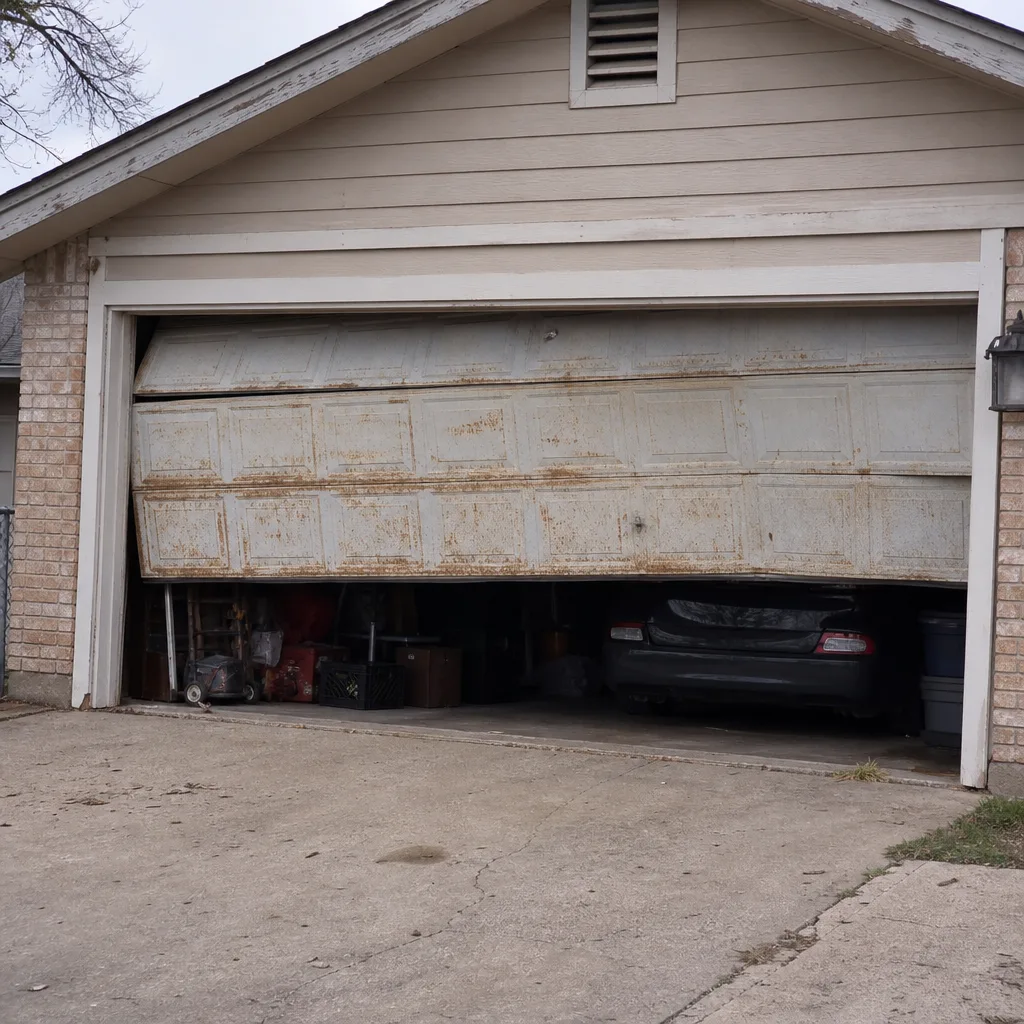 Before
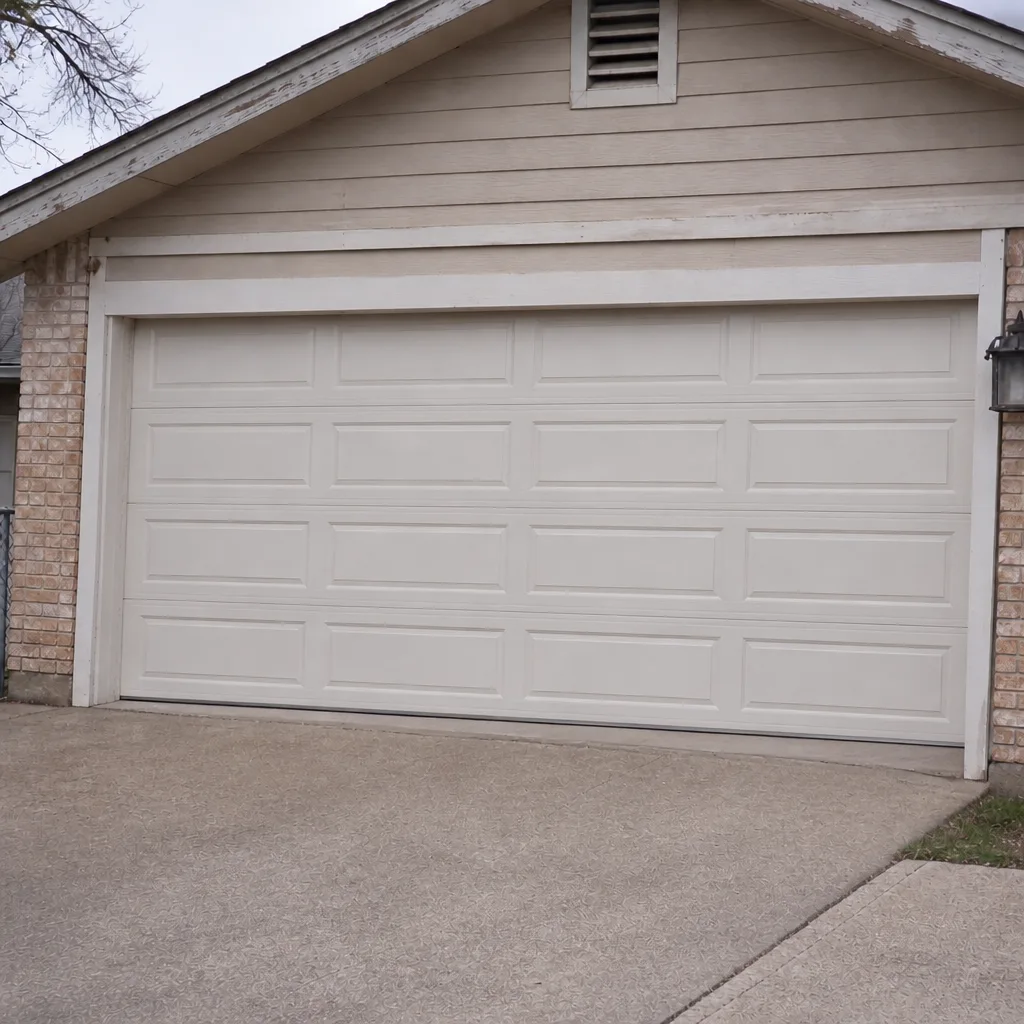 After
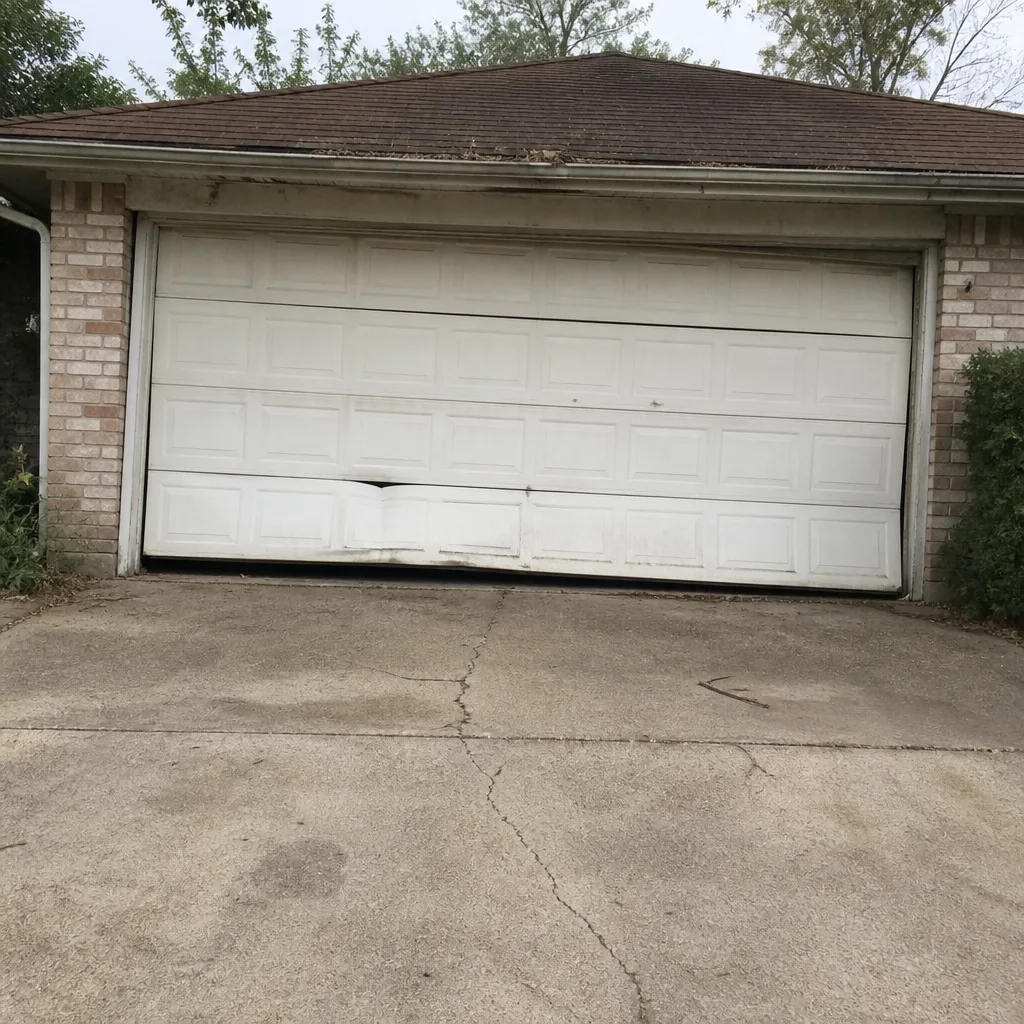 Before
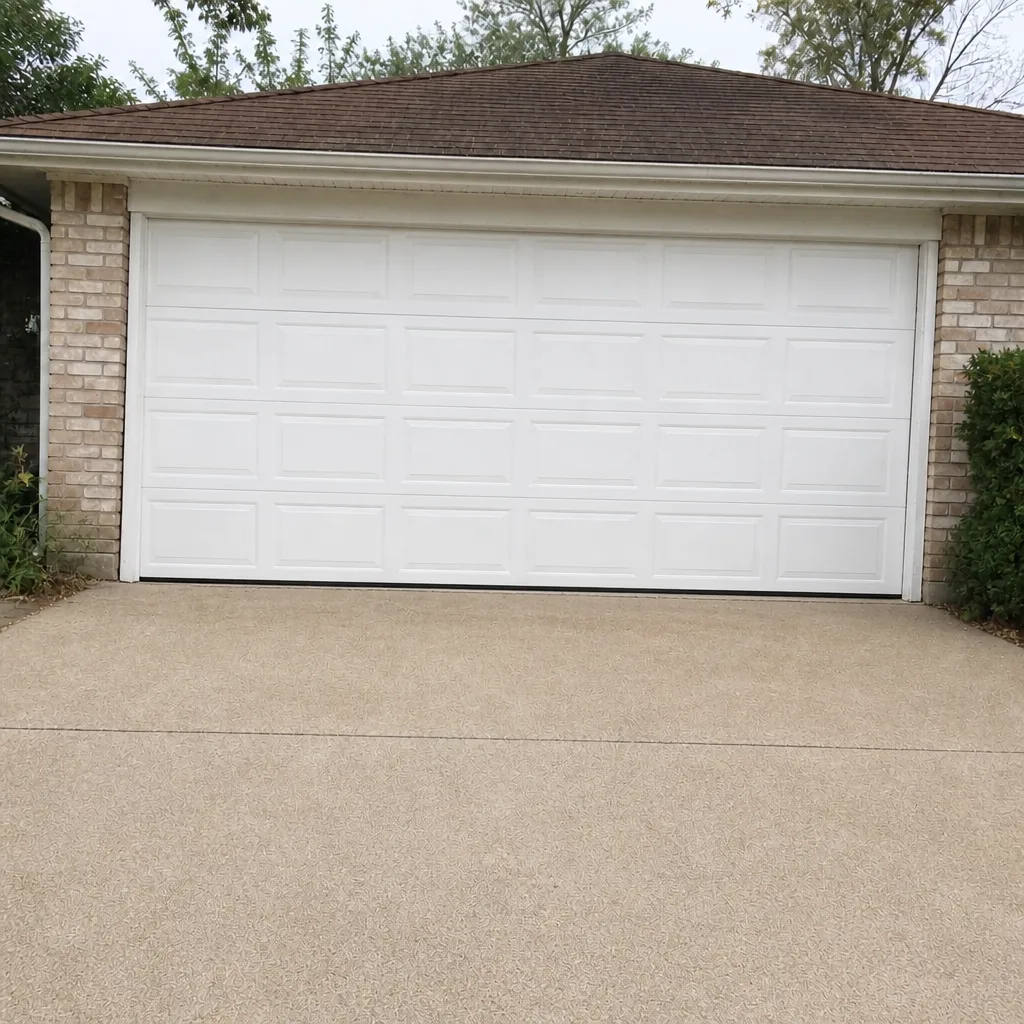 After
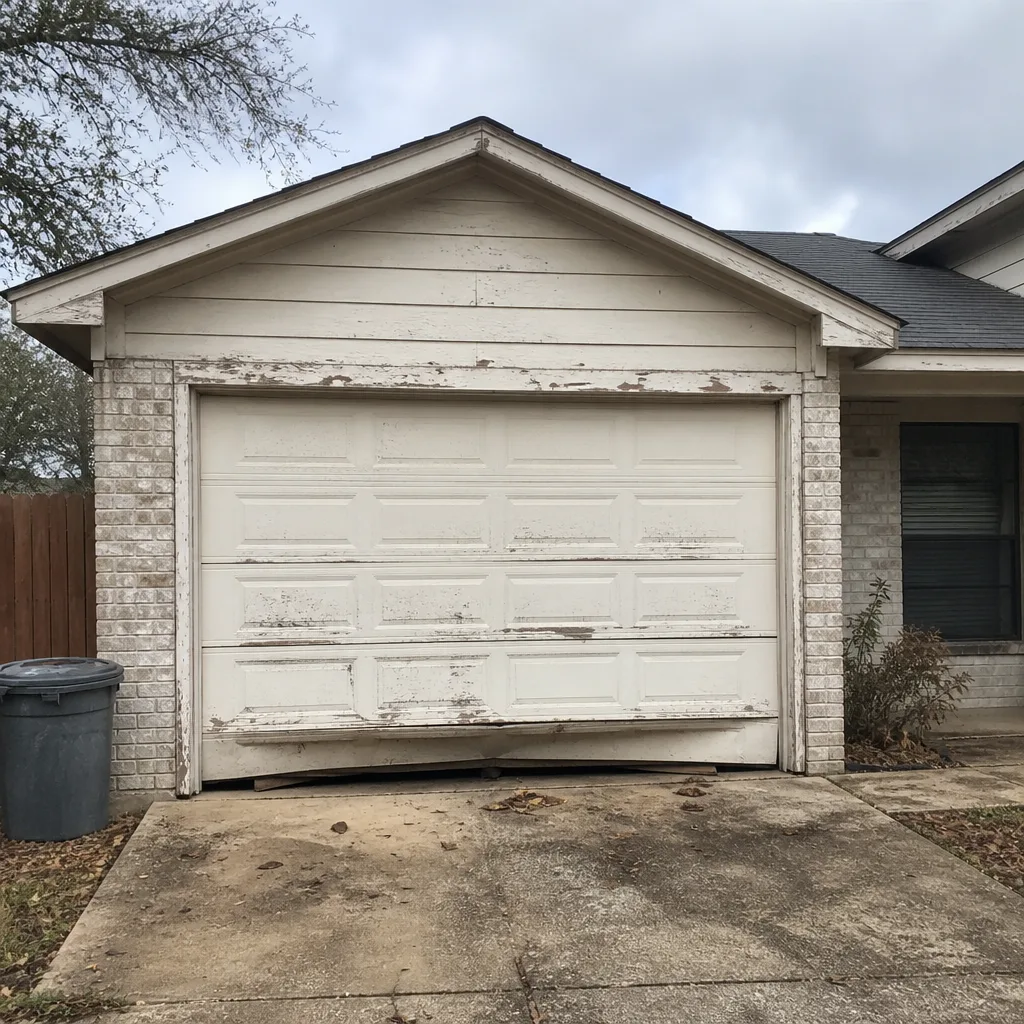 Before
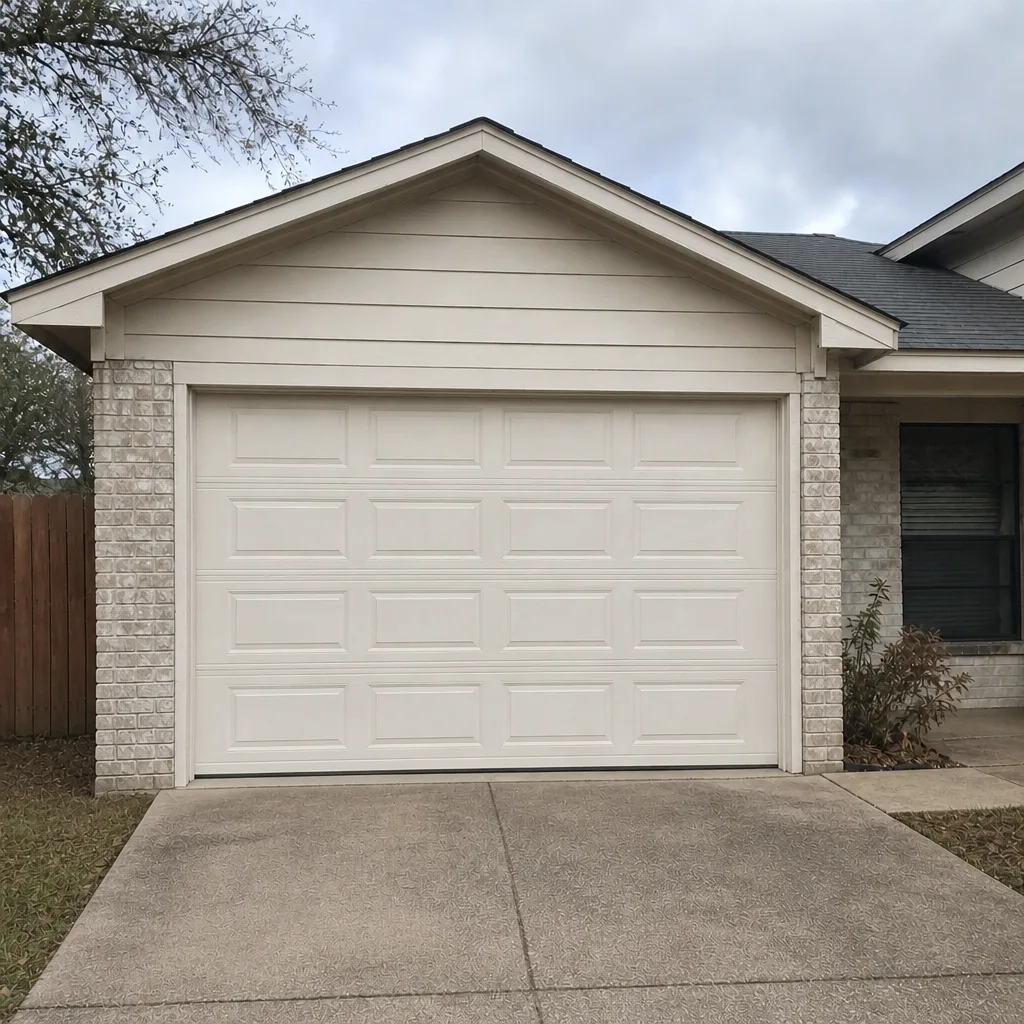 After
When to Call a Professional
Call when you notice any of these: the door won’t stay balanced when you lift it by hand, a spring is visibly broken or the door has become heavy to lift, the auto-reverse test fails even once, the opener reverses for no reason, a track looks bent, or the door has slammed shut or come off its track. Those are the signs where a safe owner inspection has done its job and where the repair needs the right hands. Springs, cables, bent tracks, and opener logic faults are not homeowner fixes. Our technicians have up to 11 years of experience across eight major brands, including Amarr, Wayne Dalton, Craftsman, and Raynor, and we handle door repair, opener repair, and installation in-house. We answer 24/7, with fast dispatch from 7am to 7pm, Sunday through Friday, and we’re closed Saturday. Call (888) 874-4281 for a free estimate.
Frequently Asked Questions
Every three months for lubrication and a balance check, and once a year for a full hardware and opener safety inspection. In College Station the heat load means summer is the season that matters most, so plan an early-summer service to prepare for the hottest stretch.
No. Tracks should be cleaned, not greased. A greased track collects dust and grit in our climate, and the rollers just skid on the wet surface rather than rolling smoothly. Wipe them clean and leave them dry.
A fading spring usually shows up as a door that’s become noticeably heavier to lift by hand, or one that looks lopsided. A broken spring often shows a visible gap or snapped coil. Inspect from a safe distance and never adjust or handle the spring yourself: call a technician.
Yes. Auto-reverse is the safety feature that stops the door from closing on something in its path, and it’s required by federal law on openers. Test it with a block in the door’s path once a month and any time a setting changes. If it fails, stop using the opener and have it serviced.
Most often it’s a misaligned safety sensor, a sensitivity setting that’s drifted, or an obstruction in the door’s path. Check the sensors near the floor first. If it keeps happening, the opener itself needs service, and that’s where knowing your brand helps since LiftMaster, Chamberlain, and Genie units differ. Call (888) 874-4281 for a free estimate.
Many homeowners replace the bottom seal themselves when the door is balanced and the track is straight. If the door is out of balance, the track is bent, or you’re not sure how the seal attaches to your door brand, call a technician to handle it in the same visit as a safety check.
The Bottom Line
Garage door maintenance in College Station comes down to three checkpoints: a quick visual pass once a month, a lubrication and balance check every three months, and a full inspection and opener safety test once a year. The climate here reorders the priorities. Heat and humidity make lubricant choice and seal condition more critical than they’d be in a cooler climate, and the summer service window is the one that matters most. Test your auto-reverse monthly, inspect springs and cables with your eyes only, know your door and opener brand, and keep a few photos on hand. When something beyond a visual check is wrong, call a technician rather than risk a spring or a bent track. Call (888) 874-4281 for a free estimate. We answer 24/7, with fast dispatch from 7am to 7pm, Sunday through Friday.
Written by the team at Bluestone Garage Door Repair.